


If you don't quite have the stomach – or the self-discipline – to employ the Zero RB strategy in your fantasy draft this season, perhaps you might be open to a slightly less-extreme version: the Hero RB strategy.
While it does lean heavily on the same concepts Zero RB uses, it gives fantasy managers a bit more peace of mind knowing they only have to uncover one late-round gem at the position, not two.
Considering the running back pool in 2026, it's not a bad gamble.
But first, let's examine the difference between the two strategies and how fantasy managers can set up their draft plan to embrace the Hero RB from the start ... or adopt it on the fly.
What is the Hero RB strategy?
The concept both Zero RB and Hero RB approaches share is that it's extremely difficult for running
backs to stay healthy and productive over the course of a full NFL season. Because many will suffer injuries or see their workloads decrease, there is ample opportunity for other, less-heralded running backs to step into those leading roles.
But while the Zero RB strategy avoids paying the full draft-day price for any starting running back, the Hero version makes an exception for one star player – typically in the first round – and then avoids the position until late in the draft.
Why should you use the Hero RB strategy?
The main reason to go Hero over Zero is when the value of drafting one of the top running backs is just too high.
For some, having an early first-round pick is enough to take one of the top running backs on this year's board. They all figure to be major contributors both rushing and receiving, and in fantasy formats that award points for receptions, they might just be too valuable to pass up.
But what makes this year's draft pool conducive to the Hero RB approach is the prevalence of committee backfields throughout the NFL and wealth of solid backup running backs available. Contrast that to the jumble of wide receivers who come after the top 25 or so are off the board.
Is there really that much difference between Christian Watson (WR26 in ADP), Quentin Johnston (WR38) and Romeo Doubs (WR49), just to pick a few at random? That's the sweet spot for RB2s.
What is a Hero RB?
Although some may define it differently, the qualities we're using here to determine who qualifies as a Hero RB are these:
- Lead back in an above-average offense
- Ability to dominate rushing and receiving
- Track record of good health
Who are the Hero RBs in 2026?
Pretty simple. But only a select few are worthy of such a high honor this season.
Picks 1-3 overall
- Bijan Robinson, Atlanta Falcons
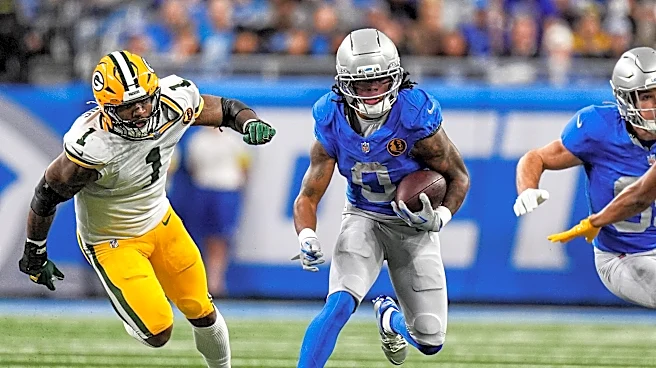
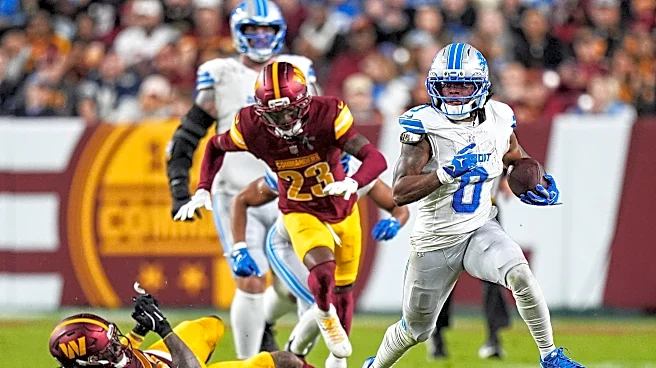
- Jahmyr Gibbs, Detroit Lions
If you draw one of the first two draft slots − or if someone else goes rogue with one of those picks − you can grab one of these elite backs. It's an easy call, and it allows you the freedom to implement the Hero RB strategy ... or not.
Ashton Jeanty of the Las Vegas Raiders might have been part of this group if not for a low-ankle sprain he suffered in practice that's put his Week 1 status in question.
Picks 9-12 overall

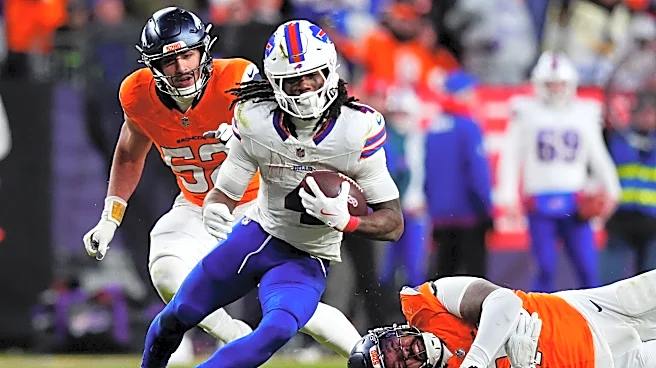
- James Cook, Buffalo Bills
- Jonathan Taylor, Indianapolis Colts
If you're picking later in the first round and these two running backs are still on the board, they offer the same volume and touchdown upside as Gibbs and Robinson do, but not as much value in the receiving game. That's OK. Cook and Taylor are going to be on the field a large majority of the time, especially in the red zone.
Christian McCaffrey of the San Francisco 49ers and De'Von Achane of the Miami Dolphins typically go in this range, but carry too much health risk to be relied on as a Hero RB.
If you do go with a Hero RB approach, remember to flood the zone with RB2 candidates with the potential to shine if their teams' starters falter. Those backs should still be available in Round 8 of a typical 12-team draft. (Check out our Zero RB post for a list of the top candidates.)
So go ahead and take that bellcow back early, but then go aggressively after those valuable wide receivers in the first six rounds. You can even take a top tight end early (Brock Bowers or Trey McBride) if the opportunity presents itself.Just remember to exercise excruciating patience and hold off drafting another running back until Round 8 or 9. And be prepared to work the waiver wire every week to find your No. 2.
This article originally appeared on USA TODAY: Using the Hero RB strategy to rule your fantasy football draft