





Volkswagen plans to cut another 50,000 jobs worldwide as the automaker tries to lower costs after being squeezed by higher U.S. tariffs, slowing sales in China and tougher competition from rival carmakers.
The German automotive company said its supervisory board unanimously approved the plan on Sept. 3, calling it the biggest overhaul in Volkswagen's 89-year history. The latest cuts come on top of 50,000 jobs the company had already planned to eliminate, bringing the total to about 100,000 positions.
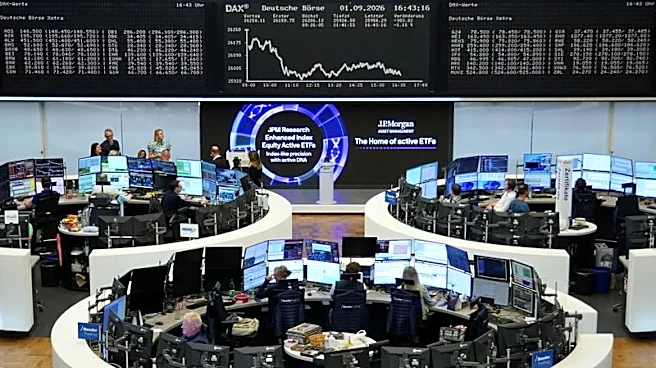
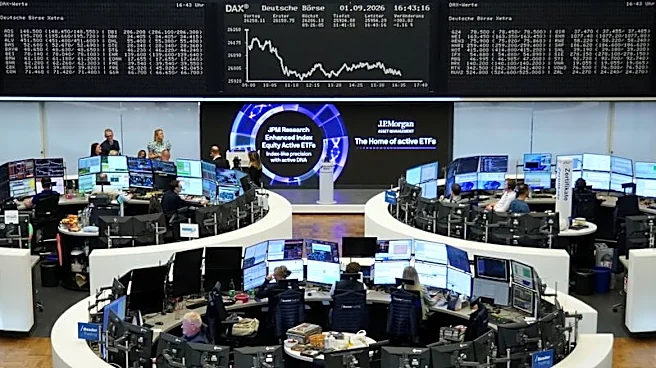
Investors welcomed the announcement. Volkswagen shares rose Friday to their highest level in nearly three months after analysts said the agreement showed the company could make difficult changes despite its size and complicated management structure,
Reuters reported.
CEO Oliver Blume said Volkswagen is trying to strengthen the company for the long term while continuing to invest in future vehicles and technology.
"We are taking responsibility for our entire workforce, for our partners and for industrial jobs worldwide," Blume said in a statement. "Over the coming years, we will invest a three-figure billion sum to make our iconic brands even more attractive, stronger and more competitive."
Why Volkswagen is cutting jobs
Volkswagen said the layoffs are part of an effort to adapt to major changes in the global auto industry.
The company has been hit by higher U.S. tariffs and weaker vehicle sales in China, which was once one of its strongest markets. At the same time, Chinese automakers have become tougher competitors, especially in electric vehicles, putting additional pressure on Volkswagen's business.
The automaker also reported roughly $3.4 billion in tariff-related costs last year, while profits have declined sharply over the past several years.
What will change?
Along with cutting another 50,000 jobs, Volkswagen said it will simplify its management structure and reduce the number of vehicle models it sells by about half by 2035.
The company will also study new uses for four factories in Germany after production at those plants begins winding down over the next decade.
Volkswagen said the changes are intended to make the company more efficient while allowing it to continue investing in new vehicles and technology.
Analysts say other automakers could follow
Analysts called the agreement an important step for Volkswagen, though they cautioned that carrying out the plan may be harder than approving it.
Deutsche Bank analysts described the decision as a "fundamental breakthrough" and a "much better-than-feared outcome," saying many investors had doubted Volkswagen could reach an agreement on such sweeping changes, according to CNBC.
They also said the move could have a "halo effect" across Germany's auto industry, encouraging other automakers facing similar challenges to consider job cuts and other cost-saving measures as competition continues to increase.
Contributing: Reuters
Reporter Anthony Thompson can be reached at ajthompson@usatodayco.com or on X @athompsonUSAT.
This article originally appeared on USA TODAY: Volkswagen to cut another 50,000 jobs amid major overhaul