
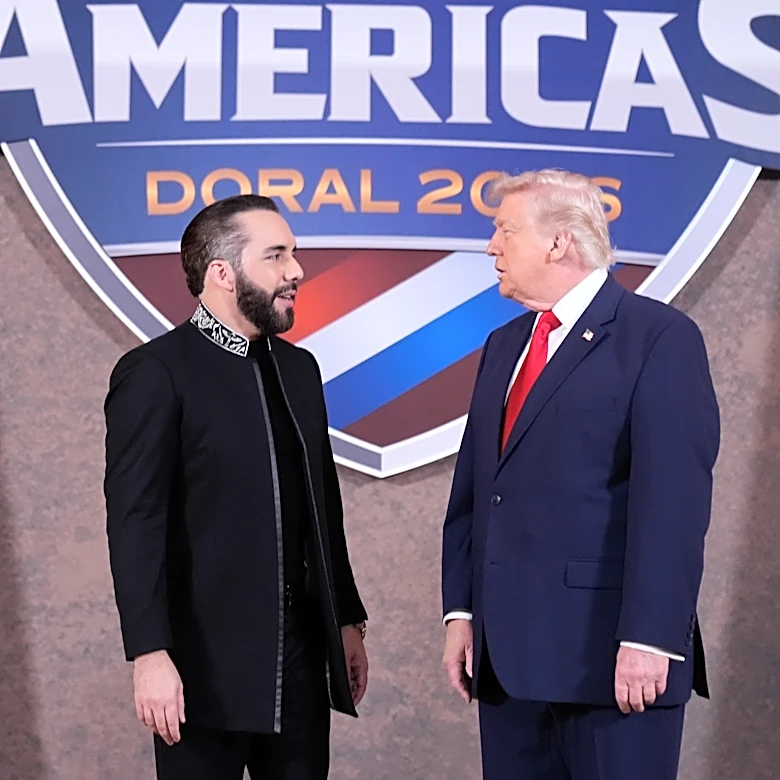




The Trump administration no longer plans to convert massive warehouses in Georgia and Utah into immigration detention centers, recent court filings show – the latest reversals in an ambitious effort to reshape the nation’s detention system.
U.S. Immigration and Customs Enforcement said it plans to turn over the warehouses it purchased to the General Services Administration, which could transfer them to another federal agency or sell them. A similar decision came this summer in Romulus, Michigan, where ICE also abandoned a project for a detention center and moved to dispose of the warehouse.
The price of the three properties combined exceeded $300 million.
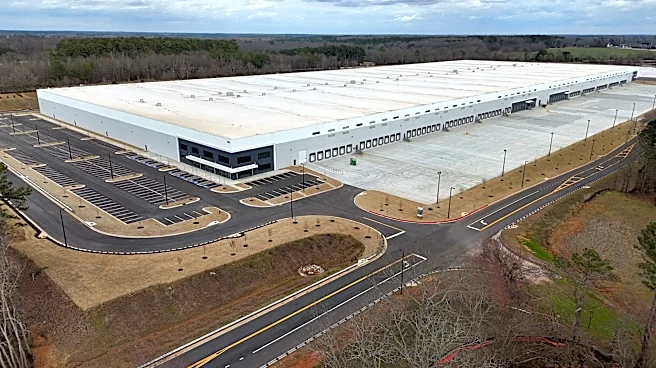
In Social Circle, Georgia, the government paid $128 million for a million-square-foot warehouse
it planned to turn into one of the largest detention centers in the United States, court records show. It would hold up to 10,000 immigrants and feature medical wings, recreation yards and a staff gun range. The Salt Lake City, Utah, warehouse cost $145.4 million – a premium for the area – and was also expected to hold as many as 10,000 people.
Earlier this year, ICE dropped proposals to convert two rural Pennsylvania warehouses and a three-building warehouse complex in Socorro, Texas, into detention centers.
But other projects remain in limbo. In Arizona, New Jersey and Maryland, local opposition led to lawsuits accusing the Department of Homeland Security of skipping required environmental reviews. The challenges have stalled all three detention center plans while the government studies their potential effects.
In a statement sent to USA TODAY, DHS said it remained “singularly focused on removing the worst of the worst criminal illegal aliens from the United States and is always evaluating the best methods to do so.”
“DHS is moving swiftly to utilize EXISTING detention space with our state and county partners,” a DHS spokesperson wrote.
The reversals come as the Trump administration continues pursuing mass deportations and detaining immigrants in record numbers. ICE's detained population stood at 65,765 as of July 11, up 66% since President Donald Trump took office in January 2025, according to USA TODAY’s tracker. The agency arrested nearly 51,000 people in August – its highest monthly total, according to DHS.
The warehouses were part of an attempt to build enough space for that expanding enforcement – and fundamentally change who owned the country’s immigration detention infrastructure.
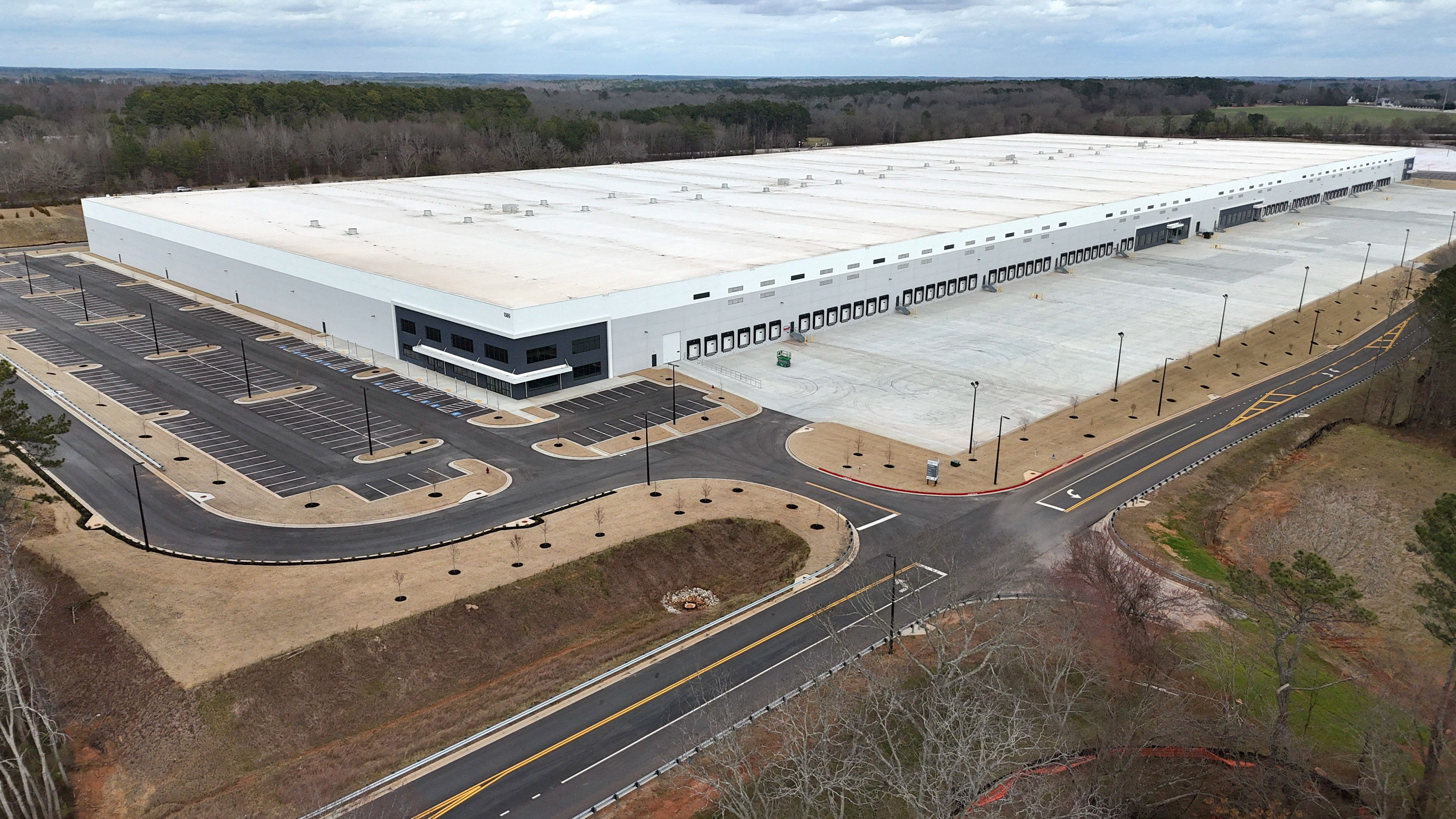
For years, ICE has relied largely on a patchwork of county jails and facilities owned or operated by private prison companies. But under former DHS Secretary Kristi Noem, the agency began buying properties outright, seeking to place more of the detention system in the federal government’s hands.
In the first three months of 2026, ICE purchased nearly a dozen commercial warehouses for about $1 billion. Many of the buildings were cavernous fulfillment centers built during the pandemic-era online-shopping boom that were sitting empty near highways, airports and other transportation hubs.
An internal ICE planning document envisioned converting them into eight detention centers capable of holding between 7,000 and 10,000 people apiece, along with 16 smaller processing sites. The agency estimated the overhaul could cost $38.3 billion and raise its detention capacity to 92,600 beds.
After succeeding Noem, Homeland Security Secretary Markwayne Mullin paused additional warehouse acquisitions while reviewing several of her initiatives. DHS’s inspector general is investigating whether the warehouse purchases were cost-effective and supported by operational needs.
The warehouse purchases, often completed before local officials or residents learned what ICE intended to do with the properties, also generated backlash across the country. Residents, including in Republican strongholds in Mississippi and Georgia, staged protests at the proposed sites and packed city council meetings to express outrage. Private developers in at least 11 communities withdrew from prospective deals with DHS.
The resistance often crossed party lines.
Most of Social Circle, a city of roughly 5,000 people, sits in Walton County, where nearly 73% of voters backed Trump in 2024. Residents and local officials fiercely opposed plans for a detention center that could have held about twice the city's population.
The city sued DHS and ICE in May, arguing the agencies were moving forward without properly evaluating the project’s effect on the environment or the city’s water, sewer and public safety systems.

When the government confirmed it was abandoning the project, Social Circle thanked the multitude of elected officials, community leaders and residents – as well as both Republican and Democratic lawmakers – who had opposed the plans.
“The engagement, input, and advocacy of so many individuals helped ensure that this community’s voice was heard,” the city wrote.
In its recent filing, the government asked a judge to put the case on hold for 90 days while it begins disposing of the property. The city had opposed the request, noting the federal government had not completed the process and could theoretically change course again.
But while some communities celebrated the canceled plans, others were left wondering whether the warehouses purchased in their neighborhoods would become detention sites.
In June, New Jersey Gov. Mikie Sherrill, a Democrat, said DHS had confirmed it would abandon its plans to use a 470,000-square-foot warehouse in the township of Roxbury as a detention site. A month later, ICE sent a letter to Roxbury's mayor saying the project is “still under review,” and that it would contact federal, state and local officials “once a determination is made.”
Mullin said DHS "will NEVER back down," and will keep the Roxbury site for a detention center.
In Surprise, Arizona, an environmental review is stalling the government's plans to hold up to 1,500 people in a warehouse across the street from Rinchem, a hazardous-chemical storage facility. In a lawsuit seeking to block the project, Arizona warned the chemical facility’s federally required safety plan never contemplated a nearby detention center, potentially putting detainees in harm’s way.
Brent Peak, co-chair of the local activist group Northwest Valley Indivisible, said Surprise should join the list of abandoned sites.
“Attorney General Kris Mayes has warned that the location of this detention facility risks a mass casualty event,” Peak said. “Yet ICE still plans to fill that warehouse with people who won’t be able to evacuate on their own in an emergency.”
This article originally appeared on USA TODAY: ICE retreats from some warehouse detention plans as lawsuits mount