



Multimillionaire megadonors are helping Republicans outspend Democrats as the 2026 midterms are trending to be the most expensive election cycle in U.S. history, but it's unclear whether that spending advantage will translate into votes.
The GOP has already reportedly poured more than $600 million into congressional races since Labor Day alone. Trillionaire Tesla and SpaceX CEO Elon Musk gave between $268 million and $276 million to boost Republicans in the third quarter, according to theWashington Post.
About $158 million of that went to the Senate Leadership Fund to support Republican Texas Attorney General Ken Paxton's campaign in the Texas Senate race. Musk has given $369 million overall (and counting), making him by far the cycle's largest
spender. That's more than the $250-plus million Musk gave in support of President Donald Trump's campaign two years ago. Musk's America PAC did not respond to USA TODAY's request for comment.
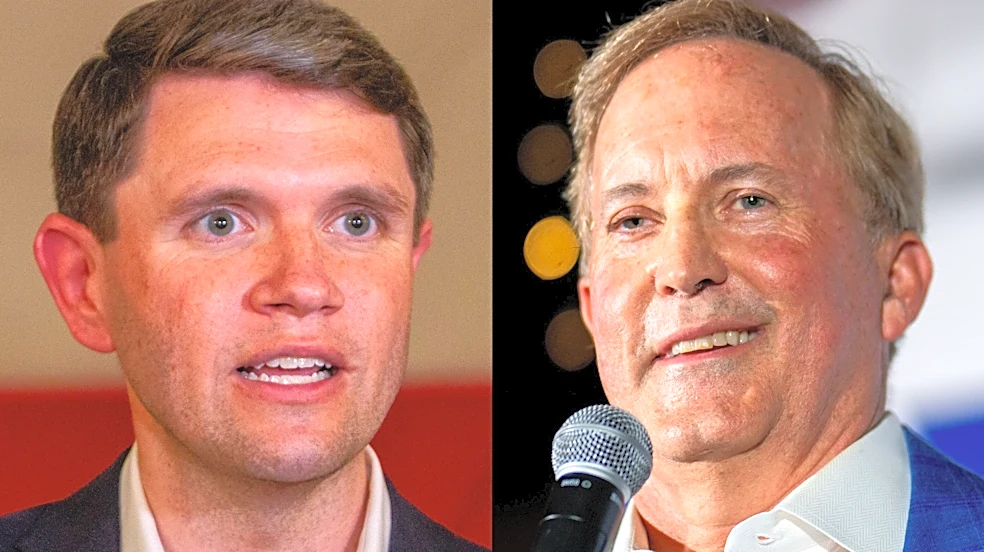
Paxton is trying to defeat Democratic nominee state Rep. James Talarico, who raised $64 million in the third quarter for the closely watched race. The Texas Senate race has more than $500 million in combined ad spending and future spending dating back to the primaries, according to AdImpact, a political ad intelligence firm, with most of the money being spent on Paxton's behalf.
Those substantial contributions typify the high-stakes battle to control the Senate, in which Republicans currently have a 53-47 majority. Democrats need four more seats to gain a majority and appear increasingly likely to reach that threshold thanks to polling leads in North Carolina, Texas, Ohio, and Alaska.
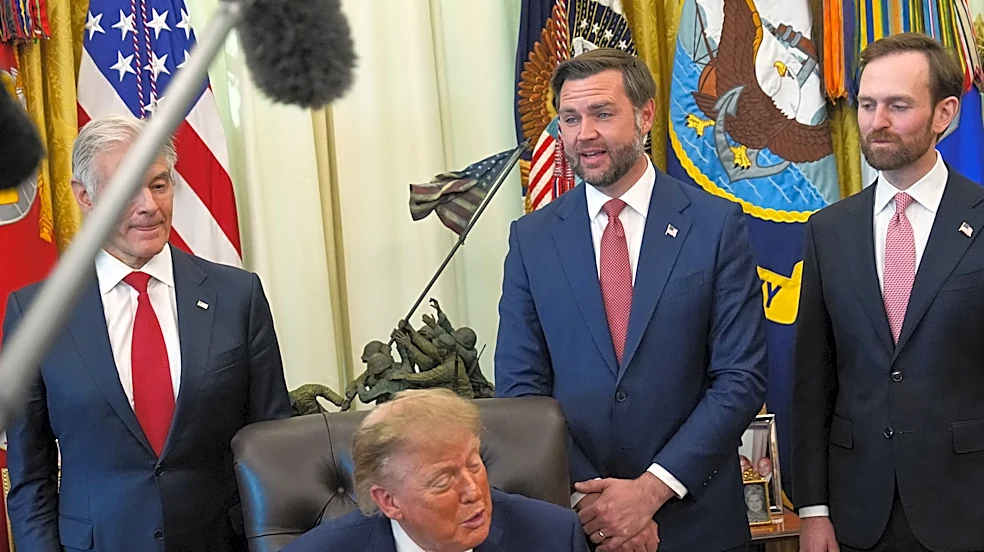
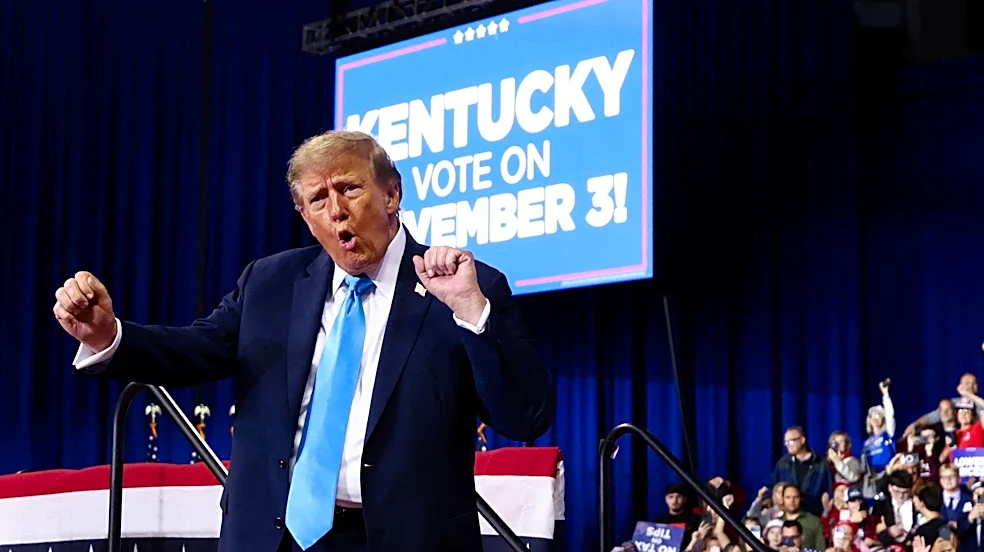
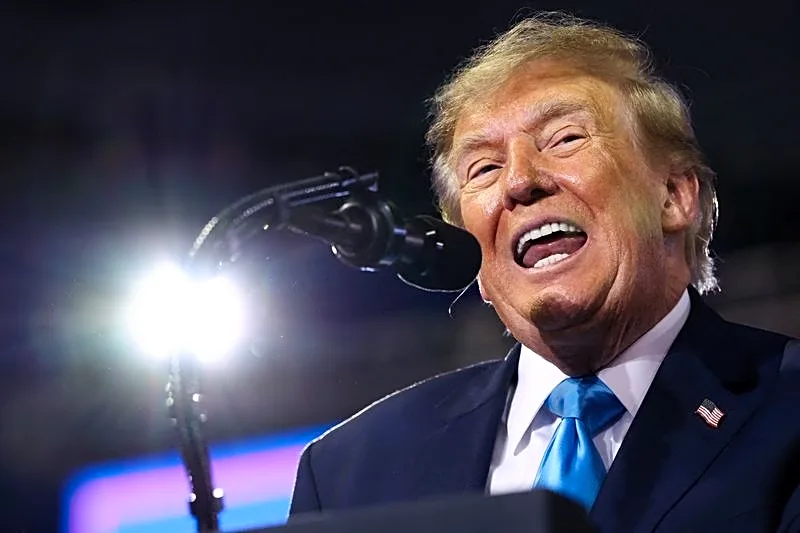
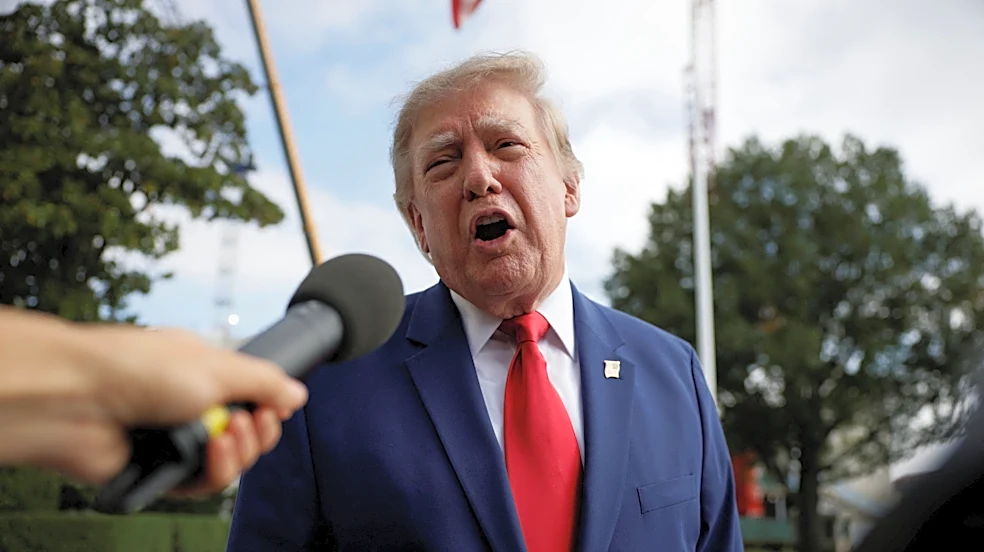
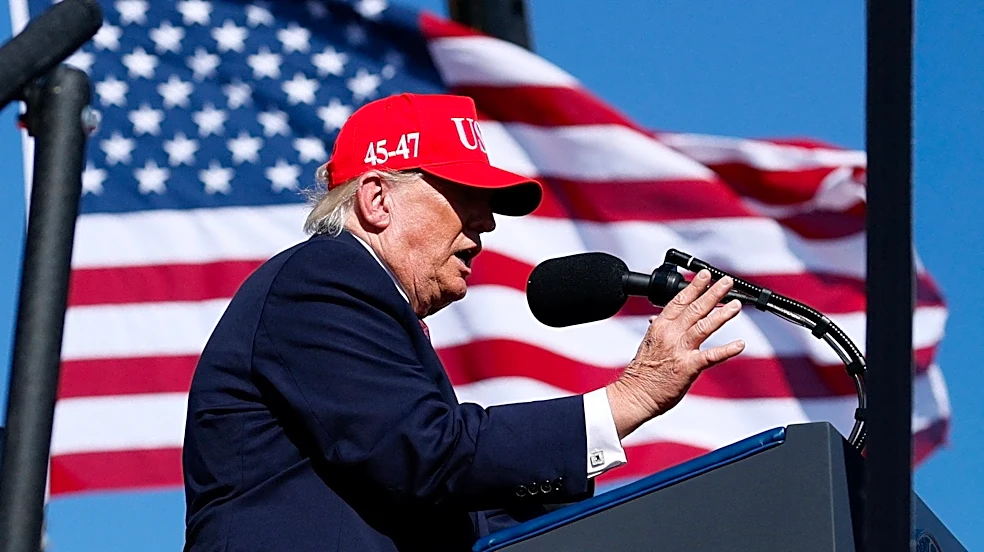
Not to be outdone, President Donald Trump said in an Oct. 20 Truth Social post that he had spent more than $300 million on the midterm elections, presumably through his MAGA, Inc. super PAC, with plans to exceed $400 million by Election Day.
But with two weeks to go before Election Day on Nov. 3, will these Republican cash infusions help narrow the gap in competitive Senate and House races where Democrats lead according to the polls?
"It could be too little, too late," said David McCuan, a political science professor at Sonoma State University. "The Republican spending might help in a couple of key races, but it won’t change the overall setup of a Blue Wave for Democrats. It might change the size of the wave and can help prevent it from being a tsunami, but it looks like there will be a Red wipeout in the House and the Senate."
Outside spending on elections explodes
The Supreme Court opened the floodgates to unlimited funding from super Political Action Committees, also known as PACs, in its 2010 decision in Citizens United v. Federal Election Commission. However, super PACs must reveal their donors. And the seemingly endless cash continues pouring into political campaigns.
Other GOP big spenders include Illinois billionaire shipping magnate Richard Uihlein and his wife Elizabeth, who have contributed more than $70 million to a Republican super PAC for state and federal races, bringing the conservative couple's total giving this cycle to more than $130 million, Politico reported.
While Republican-aligned groups receive most of the biggest individual contributions, billionaire financier and philanthropist George Soros and his son, Alex Soros, have contributed more than $102 million in support of Democratic candidates and campaigns through Democracy PAC, a family super PAC, the New York Post reported.
Political spending during the 2025-26 election season has already surpassed $10 billion, AdImpact said. The previous midterm spending record was set in 2022 at $8.9 billion, and the 2024 presidential cycle saw $11.2 billion spent on ads. With spending estimated to top $11.6 billion, AdImpact projects this year will be the most expensive election cycle in U.S. history.
Republicans outspending Democratic counterparts in key Senate races
In seven Senate races the nonpartisan Cook Political Report rates as a "toss-up," AdImpact said Republicans outspent Democrats on advertising, $947 million to $625 million, including ads for which airtime has been purchased but that have not yet aired, a $322 million advantage, The New York Times reported.
Through September, Cook said Republicans outspent Democrats by $188 million in advertising in nine key Senate battleground states, including Texas, Michigan, Iowa, Kansas, Ohio, Alaska, Maine, New Hampshire, and North Carolina.
Republicans accounted for 60% of ad spending in those Senate "battleground states" and held the advantage in eight of the nine, Cook said. By the end of September, more than $935 million was spent in aired advertising. GOP states Ohio and Texas saw the most activity, receiving about 47% of that total, AdImpact said.
Republicans led by at least $12 million in races in six states. In Texas, Republicans spent $61 million more compared with Democrats, followed by Ohio ($41 million), Maine ($27 million), Iowa ($17 million), Michigan ($15 million) and Alaska ($12 million). The GOP led overall spending in eight of the nine Senate races, including all six "toss-up" races, Cook said.
"This money is trying to make a difference in building this 'Red wall' that could be harder for Democrats to knock down," said Brian Derrick, a political strategist and CEO and co-founder of Oath, a data-driven fundraising platform serving Democratic, Independent, and nonpartisan grassroots donors. "That's why we're seeing a lot of these billionaires coming off the sidelines."
Republicans are relying heavily on outside groups, like super PACs, which pay costlier ad rates for ads with their late campaign big buys, Derrick said, compared with Democrats, who are taking advantage of discounted rates for candidates and earlier, less expensive reservations for ads.
'Intense panic reaction'
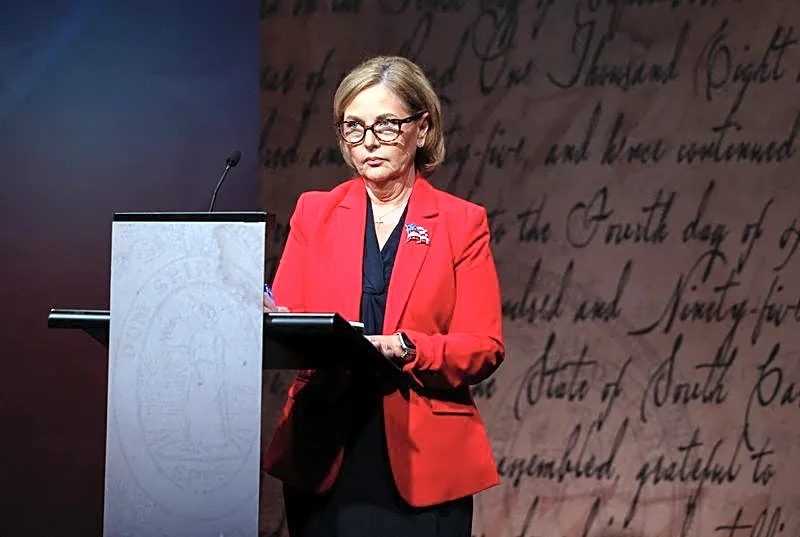
The spending is not just on Senate races. Billionaire investor Jeff Yass and his wife Janine have reportedly donated about $110 million to Republican and conservative causes during the 2026 election cycle. This includes roughly $20 million going to a super PAC backing former GOP presidential candidate Vivek Ramaswamy’s Ohio gubernatorial bid againstDemocratic nominee Amy Acton, a bitter race that has raised millions in ad spending.
"It's an intense panic reaction," said Adin Lenchner, a political strategist and founder of Carroll Street Campaigns, a Brooklyn, New York-based consulting and grassroots campaign management firm. "I think huge campaign spending at this stage doesn’t really have a heavy predictive quality because at this point there's so much voter sentiment and understanding of the candidates that have been developed."
Political commentator and longtime Republican Dave Spencer agrees that at this stage, the increased spending's effect could be negligible.
The midterm elections can often see losses for the party in power. This year, Democrats have a good chance to make gains in both the Senate and the House, with Trump facing "breathtakingly low" approval ratings, Spencer said. Other factors include high gas prices, untamed inflation, a costly trade war and an unpopular war with Iran.
"It's going to take some cataclysmic event that could shake people loose at this point, like an Iran war peace deal, gas prices sharply go down, the tariffs go away, or some candidates facing a huge scandal that erupts and can doom their campaign," said Spencer, the co-host of the Practically Political podcast. "That's the kind of thing that would have to happen."
Tight Texas Senate race flooded with ads, personal attacks

The Texas Senate race — rated a "toss-up" by the Cook Political Report — has drawn the heaviest donor interest. No Democrat has won a U.S. Senate race in Texas since 1988.
Paxton's campaign needs a lot of money because he's seen as "a flawed candidate," McCuan said. Paxton was impeached by the Republican-led Texas House on charges of bribery, conspiracy and abuse of public trust related to a political donor in 2023. He was acquitted by the GOP-led state Senate.
"Paxton has a high burn rate," McCuan said. "They've had to spend a quarter of a billion dollars to protect Paxton, and he still might be on the losing side. The Republicans may have to still pump in at least another $50 million to $100 million before it's all said and done."
Last month, the Paxton campaign created an AI-generated ad of Talarico sitting with a copy of a book labeled "The King James Talarico Bible." The digital likeness is shown writing in the book with a yellow crayon before appearing to read from a fictionalized version of the Bible, saying lines such as "In the beginning, God was nonbinary" and describing Jesus as a "radical feminist" who “never asked people to worship him.”
Talarico denounced the ad, which Paxton's campaign described as an attack on what it calls Talarico's use of Christianity to promote a "radical agenda."
On Oct. 6, Talarico's campaign released a scathing ad parodying sports betting app promotions, encouraging viewers to bet on "Scanduel" about various Paxton "scandals."
"The app isn’t real," the ad said. "But Ken Paxton’s scandals are." The ad also shows bets viewers can win, including "Ken Paxton voting to protect puppy abusers," and a 2022 incident when a process server said Paxton avoided being subpoenaed by fleeing in a truck that his wife was driving.
More spending might not move the needle
Increased spending could lead to decreasing marginal returns in certain high-profile contests, said Chano Arreguin, a political science professor at the University of Pittsburgh at Bradford.
In last year's New York City mayoral race, political action committees supporting former Gov. Andrew Cuomo reportedly outspentchallenger democratic socialist Zohran Mamdani by more than $30 million and still lost stunningly to Mamdani.
In May, Paxton won Texas' GOP primary runoff, ending Sen. John Cornyn's four-decade political career. Paxton's win came even as Cornyn, a former Senate Republican whip, outspent Paxton by nearly a nine-to-one overall margin, showing the limited potential of money in politics, Arreguin added. Roughly $92 million was spent on ads for Cornyn's primary campaign, including $22 million in the runoff.
"When you have either charismatic candidates with clear plans of action or a clearly unpopular candidate, spending more money does not always result in a return on investment," Arreguin said.
However, the GOP campaign spending blitz could be effective for some disenchanted Republican voters who may decide at the last minute to vote instead of sitting out, Arreguin said.
"Voters are often susceptible to last-minute ads and messages that could sway just enough people to get out to vote; that's what they are hoping for," Arreguin said. "There's always that possibility. You never know."
This article originally appeared on USA TODAY: Megadonors' election spending favors Republicans, but might not matter