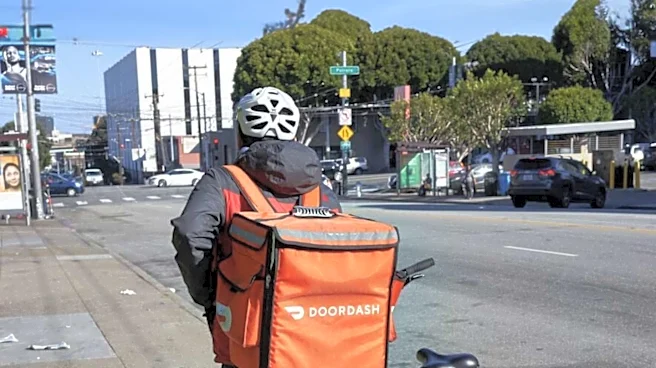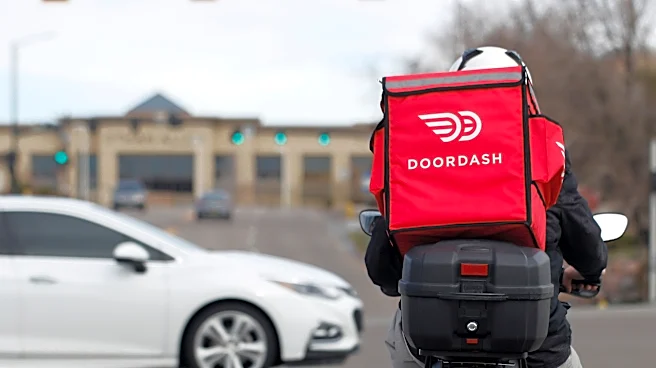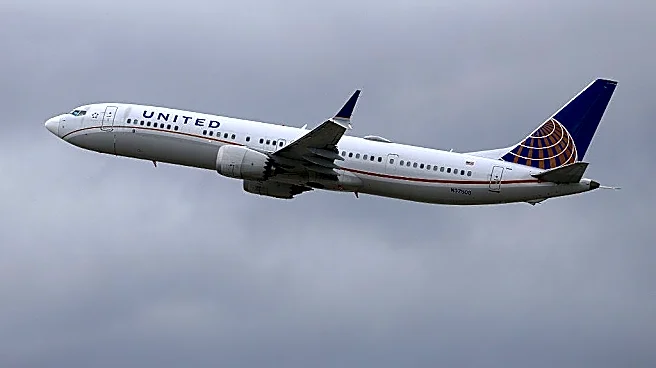











Could your personal information affect how much you pay for an airline ticket, a rideshare or groceries? Federal regulators are investigating whether some of the nation's largest companies set individual prices by using customer data.
The Federal Trade Commission (FTC) announced Oct. 29 that it had ordered nine companies to provide information about their pricing practices: Delta Air Lines, United Airlines, JetBlue, Lyft, Uber, DoorDash, Instacart, Target and Walmart.
The inquiry will examine whether companies use information such as browsing history, loyalty program participation and other personal data to charge different customers different amounts for the same products or services. The FTC also wants to know whether ride-hailing (for example,
Uber and Lyft) and food-delivery companies use personal information to determine how much workers are paid.
“Consumers deserve to know whether companies use their web surfing habits or other personal data to estimate the highest price they can charge each consumer,” FTC Chairman Andrew Ferguson said in a statement.

How could personal data affect prices?
Personalized pricing occurs when a company uses information about an individual to determine how much to charge that person. It differs from traditional dynamic pricing, in which prices change with supply and demand.
The FTC is also examining whether gig workers receive different pay offers based on personal information, such as their history of accepting previous jobs or offers.
Each company has 45 days after receiving the FTC's order to respond. The agency can seek to compel compliance in federal court if a company fails to provide the requested information.
Consumer Reports finds different prices for rides
The inquiry comes amid concerns about how companies use algorithms to set prices. A 2026 Consumer Reports investigation found that Uber and Lyft quoted different prices for the same rides when customers checked within minutes of one another.
Across 30 routes tested nationwide, the median difference between the lowest and highest price groupings was 42.4%, Consumer Reports reported. The organization also found that 12.4% of advertised discounts it examined appeared to be based on inflated original prices.
Uber and Lyft say they do not use personal data to set base fares, though they acknowledge using it for discounts and promotions, according to Consumer Reports.
What have the companies said?
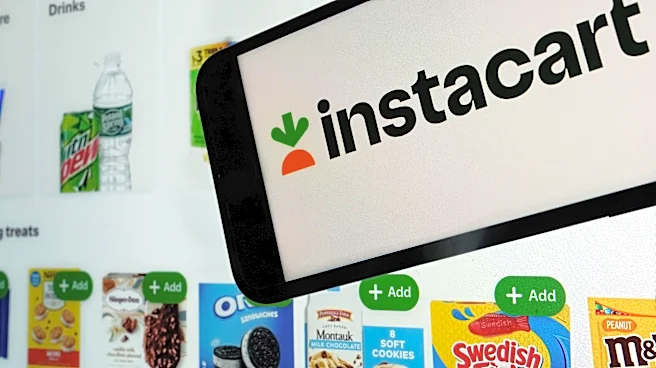
Instacart told Fox Business it does not use personal information to set prices and never will.
JetBlue said it does not use personal information or browsing history to set individual fares. It said ticket prices are based on demand and seat availability, and customers can access the same fares through its website and mobile app.
Delta also denied using personal data to target customers with individualized fares, saying it has never used, tested or planned to use such a product.
USA TODAY contacted the FTC and the nine companies it's inquiring for comment.
Why is the FTC investigating now?
The inquiry follows an FTC study released in 2024 that examined pricing-related consultants rather than companies directly setting prices, according to officials. In August 2026, the agency also sought public comment on a proposed policy addressing whether undisclosed personalized pricing could violate federal consumer protection law.
The latest inquiry seeks information directly from the companies themselves. As of Oct. 29, the FTC has not announced findings of wrongdoing by the nine businesses.
Reporter Anthony Thompson can be reached at ajthompson@usatodayco.com or on X @athompsonUSAT
This article originally appeared on USA TODAY: FTC probing whether these companies are using your data to set prices