





The Aquarium of the Pacific has taken in nearly 500 trafficked marine animals, including endangered and near-threatened species, after a major wildlife seizure involving more than 2,000 animals confiscated by authorities.
The Aquarium was alerted by wildlife officials that hundreds of tropical marine fish and invertebrates needed immediate placement and care, prompting staff to quickly prepare quarantine systems and holding areas for their arrival.
"Aquarium of the Pacific received a call from wildlife officers with very little information about the species requiring care, only that there were hundreds of tropical marine fish and invertebrates needing immediate placement," said Alyssa Tillman, the Aquarium's assistant curator of fish and invertebrates.
"The team onsite immediately began preparing quarantine systems for the animals' arrival."
Staff unpacked, identified, counted and assessed each animal before placing them into acclimation and quarantine systems. While many arrived in good condition, others showed signs of stress, injuries, parasites and severe weight loss.
"A significant portion of these animals arrived in poor body condition," Tillman said. "Animals with open wounds were treated by our quarantine and veterinary teams to help prevent infection."
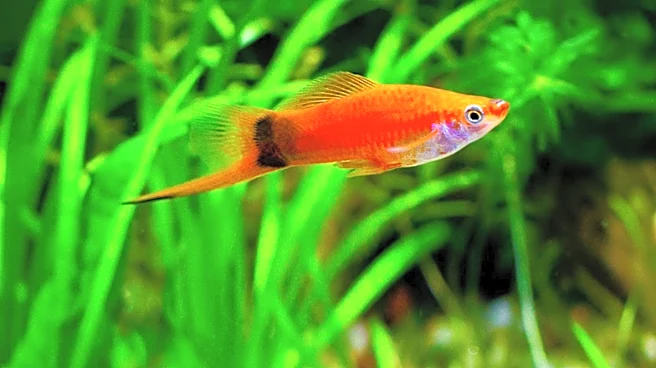
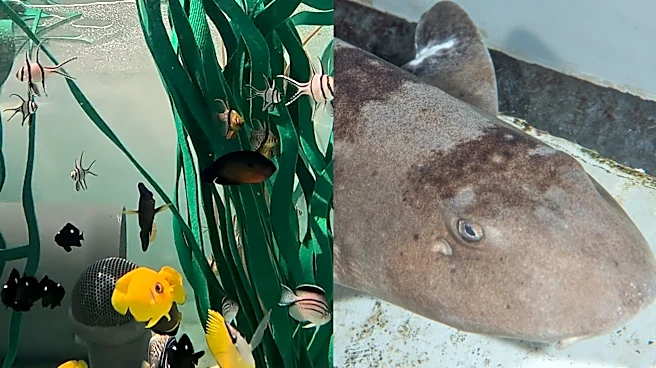
The rescued animals included a wide variety of marine species, from clownfish, butterflyfish and rabbitfish to corals, anemones and snails. Among them were Banggai cardinalfish, which are listed as endangered on the International Union for Conservation of Nature's Red List, and brownbanded bamboo sharks, which are listed as near threatened.
Tillman said caring for so many different species at once created unique challenges because each animal had different dietary, social and medical needs.
"The biggest challenge was deciding where to place each animal," she said. "Many of these species also had different dietary and social needs."
Aquarium President and CEO Jeff Flocken said the seizure underscores the impact of wildlife trafficking on marine species and ecosystems.
"Wildlife trafficking disrupts national and global ecosystems and puts animals on the path to extinction," Flocken said. "We are proud to answer the call to help trafficked wildlife and are committed to providing immediate care and a sanctuary for all of those that we can help."
According to Flocken, wildlife trafficking extends well beyond the animals that often receive the most public attention.
"Illegal trade in marine species is happening, and it is significant," he said.
The Aquarium said confiscated animals often cannot be released back into the wild because their origins cannot be verified, they may have been exposed to disease during transport or they are no longer fit to survive in their native habitats.
"When animals are entered into the illegal wildlife trade, their health is quickly compromised," Flocken said. "Once an animal becomes part of the illegal wildlife trade, either marine or terrestrial, it is highly unlikely that it will ever go back to the wild."
More than two months after taking in the animals, many have stabilized through the Aquarium's quarantine and rehabilitation efforts. Some remain at the Aquarium, while others have been placed at accredited facilities.
"For these particular animals, arriving at Aquarium of the Pacific gave them a second chance," Tillman said. "Now, many have found permanent homes, either at Aquarium of the Pacific or at other accredited aquariums."
Since joining the Southern California Wildlife Confiscations Network in 2023, the Aquarium of the Pacific has helped more than 3,300 trafficked animals, including fish, corals, reptiles and axolotls.
This article originally appeared on USA TODAY: Aquarium cares for nearly 500 trafficked marine animals