





Nearly 2,000 pounds of pet food have been recalled due to contamination that could make dogs, cats or the people who feed them sick.
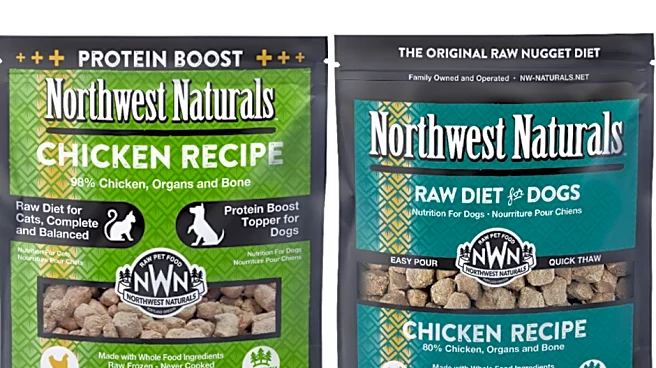
Northwest Naturals issued a voluntary recall for two of its frozen raw pet foods on Friday, Aug. 28, after testing by the Food and Drug Administration found salmonella and listeria in its products, according to a notice from the agency.
The recall applies to 1,956 pounds, or 72 cases, of dog and cat food sold nationwide. No illnesses have been reported in the recall so far, according to the FDA, but serious illness could occur not only in pets, but humans who may have come in contact with the food.
Here's what to know.
Which pet food products were recalled?
The affected products were sold at retailers and directly to consumers nationwide.
- Northwest Naturals Frozen Chicken Recipe (cat food and protein topper for dogs), 2 lbs. bags; Lot number B-5; Best By date 01/26/2028, UPC 087316384956
- Northwest Naturals Frozen Raw Diet for Dogs Chicken Recipe, 6 lbs. bags; Lot number B-19; Best By 01/25/2028, UPC 087316380392.

What to do with recalled pet food
Pet owners should
stop using the product immediately. The company and FDA advised that the products should not be sold or donated and should immediately be pulled from shelves.
Customers should return the food to the place of purchase for a refund or dispose of the recalled food in a way that cannot later be accessed by pets, kids or wildlife. Pet food bowls, cups and storage containers should be thoroughly washed and sanitized and any surface that has come in contact with the food, including your hands, should also be thoroughly washed.
Consumers with questions may contact Northwest Naturals at 1-866-637-1872. If you or your pet had contact with the food and are showing signs of illness, contact your veterinarian or health care provider.
Symptoms of salmonella and listeria poisoning
While humans likely aren't consuming the dog food directly, salmonella can still spread through contact, especially if you fail to thoroughly wash your hands after touching contaminated products or surfaces they have come in contact with. In humans, signs of salmonella poisoning include:
- Bloody diarrhea or diarrhea that lasts more than three days without improving
- Diarrhea and a fever over 102 degrees Fahrenheit
- Excessive vomiting, especially if it prevents you from keeping liquids down
- Signs of dehydration, including dry mouth and throat, infrequent peeing and feeling dizzy when standing up
- Stomach cramps
These symptoms most commonly occur between six hours and six days after exposure. Though most people recover in four to seven days, those with weakened immune systems, including children younger than 5 and adults over 65, may experience more severe symptoms that require medical treatment or hospitalization.
The symptoms can vary in infected pets, who can be carriers even when appearing healthy and infect other animals or humans. Because of this, the FDA suggests that you contact your veterinarian as soon as possible if your dog potentially consumed these products, even if they aren't showing signs of illness. Some salmonella symptoms to look for in your dog include:
- Lethargy
- Diarrhea or bloody diarrhea
- Fever
- Vomiting
- Decreased appetite
- Abdominal pain
Similarly, humans could contract listeria from the pet food in a similar manner, symptoms of which can include:
- Fever
- Muscle aches
- Lethargy
- Loss of appetite
- Nausea
- Diarrhea
- Confusion and loss of balance
- Headache and convulsions
Pregnant women, newborns, adults ages 65 and older, and people with weakened immune systems are at higher risk of serious illness. Infections during pregnancy can lead to miscarriage, stillbirth, premature delivery or life-threatening infection of the newborn.
In pets, listeria poisoning can look like:
- Lethargy
- Diarrhea or bloody diarrhea
- Fever
- Vomiting
- Loss of or decreased appetite
- Abdominal pain
Food safety and raw pet food
Commercial raw pet food, or pet food products consisting of uncooked animal-based ingredients, has become popular in recent years as a more "wholesome" option for pet owners. While one of the selling points is that the products do not go through the same heat treatments as kibble, theoretically preserving more nutrients as a result, it also means that there is one less bacteria-killing step between the food leaving the factory and the dinner bowl, according to the CDC.
Raw pet foods are a regular fixture on FDA-issued recall lists. Listeria and salmonella, foodborne illnesses that can be killed with heat, are often behind the issues.
Other illnesses, like bird flu, have also been transmitted to pets via commercial raw pet food. Over a dozen cases of cats, who are highly susceptible to H5N1, contracting the virus from commercial raw food have been reported since 2024, according to the University of Minnesota's Center for Infectious Disease Research and Policy. Some companies, like Wild Coast Raw, have issued multiple recalls after animals became ill and died from food contaminated with bird flu.
In May, a jury in Oregon awarded a local man more than $800,000 after his cat became ill and died after eating raw pet food.
This article originally appeared on USA TODAY: Nearly 2,000 pounds of cat and dog food recalled. See list