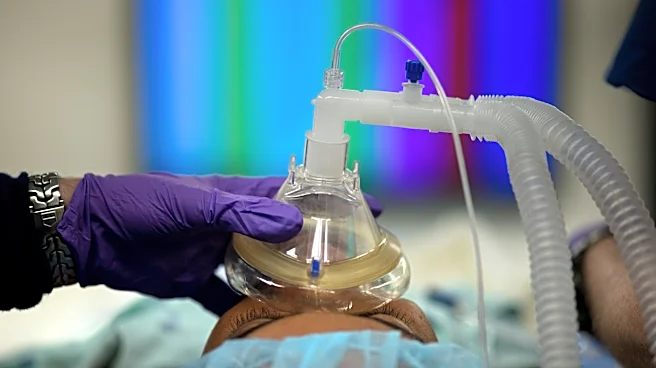







A woman was more than seven months pregnant when she arrived in the trauma bay in Baltimore in October as two patients in one body. She had been shot multiple times. Her brother was killed in the same gunfire, trying to shield her. One of us operated on her, and that night our team delivered her son, nine weeks early. Both survived – the rarest outcome the specialty offers.
By every measure medicine uses, it was a success. It was also the clearest lesson either of us has had in what medicine cannot do. A surgeon can repair what bullets do. A surgeon cannot touch what put a patient in front of them, cannot return the brother who died protecting her, cannot change the conditions into which a child had just been born.
Those forces live outside the
operating room. Many of them live in policy.
Should medicine still be treated as separate from politics?

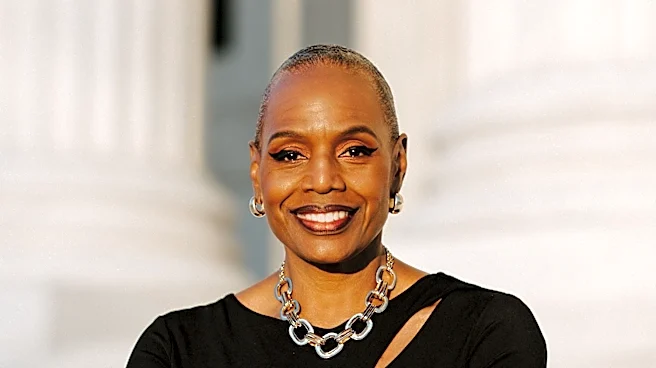
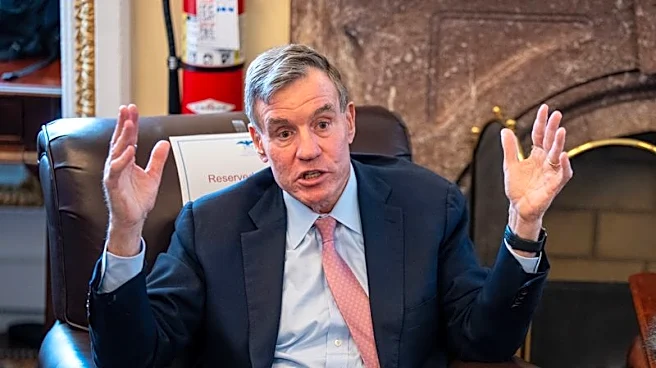
One of us is a trauma surgeon who worked in the U.S. Senate during the COVID-19 pandemic. The other is a primary care physician who spent much of her career in the Senate and the White House. Between us, we have seen health policy from both ends: where decisions are made and where their consequences arrive.
We have come to the same conclusion. Medicine keeps asking to be heard when it should be asking to be counted.
For generations, the division of labor seemed clear. Doctors cared for patients. Scientists produced evidence. Policymakers made policy, and health professionals could advise, testify and occasionally criticize. Politics was treated as separate from medicine – perhaps even corrosive to it.
That separation has become difficult to defend.
Consider the injury that put the pregnant woman on that operating table. The Dickey Amendment, passed in 1996, barred the Centers for Disease Control and Prevention from using funds to advocate for gun control, while Congress stripped from the CDC the precise amount it had been spending on firearm injury research.
The amendment never technically prohibited the science. It did not have to. The chill lasted until federal funding resumed in 2020, and a generation of researchers pursued other questions because the government had made clear which questions were unwelcome. We will never know how many patients arrived in trauma bays because of what our country chose not to know.
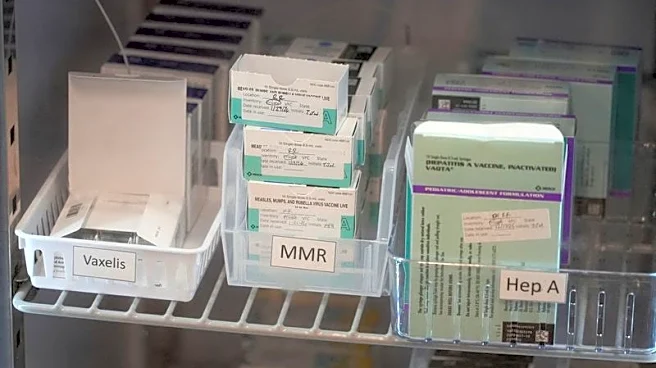
The stakes now reach well beyond firearms: vaccines, biomedical research, reproductive health, insurance coverage, addiction and the institutions that protect public health. Whatever one's politics, those decisions do not stay in Washington. Eventually, they become patients.
A surveillance program that disappears becomes an outbreak recognized too late. A research grant that vanishes becomes a treatment never discovered.
The imbalance is uncomfortable. The people making decisions about health and science hold political power. The people who manage the consequences usually do not.
New generation of public health professionals entering politics
Health professionals have not been silent. We testify, publish, serve on commissions and fill advisory panels with some of the most accomplished clinicians in the country. We have become very good at advising people who hold power. But expertise and power are not the same thing.
We have both watched scientists carry evidence into rooms where consequential decisions were being made. Sometimes it changed the outcome. Sometimes it did not.
Experts explain, recommend and warn. But advice can be ignored. Votes cannot.
A new generation appears willing to cross the old boundary. In Michigan, former public health official Abdul El-Sayed is the Democratic Party's nominee for the U.S. Senate. In South Carolina, pediatrician Annie Andrews is running against Republican Sen. Darline Graham, who filled the seat of her brother, Sen. Lindsey Graham, after he died in July.
Nationwide, doctors, nurses and public health professionals are running at every level. We should welcome that – across the political spectrum.
Medical training confers no special moral authority to govern. Doctors are no more immune to ideology, bad judgment or ambition than anyone else, and clinicians reading the same evidence reach different conclusions about abortion, firearms, insurance and the proper role of government.
Republican and Democratic physicians already disagree in Congress. That is not a flaw in the argument. That is democracy.
The case is simpler. Caring for patients teaches habits public life badly needs. Gather evidence. Change course when the facts change. Communicate uncertainty honestly. Decide when information is incomplete. Accept responsibility for what follows.
Medicine also teaches humility: Every clinician meets the missed diagnosis, the treatment that failed. Changing your mind in response to evidence is not weakness. It is competence.
And medicine teaches that reality eventually wins. An operating room is ruthlessly indifferent to ideology. A hemorrhage does not care which party you belong to. Neither does cancer, an overdose, a premature birth or a bullet.
We should stop treating health professionals who feel called to public office as though they are abandoning their profession. They may be practicing it at a different scale.
The baby boy our team delivered last fall is growing up now. The policies that will shape the country he grows up in are written by the people who show up to write them. More of the people who understand their consequences should be among the policymakers.
Dr. Joseph Sakran is a trauma surgeon and executive vice chair of surgery at Johns Hopkins Medicine. Kavita Patel is a primary care physician and a former Obama administration health policy official.
This article originally appeared on USA TODAY: El-Sayed, Andrews are right to run. We need doctors in politics. | Opinion