



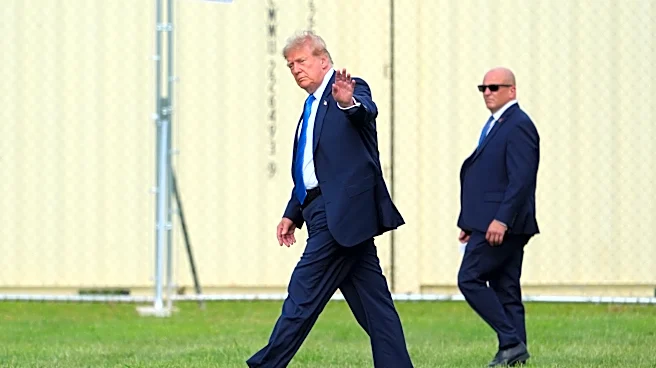
Weeks before U.S. special operations forces entered Venezuela and captured its dictator, Nicolás Maduro, early on Jan. 3, President Donald Trump spoke to reporters on the tarmac at Joint Base Andrews and leveled a complaint: The regime in Caracas stole American oil from right under our noses.
"We want it back,” Trump said at the time. "They took our oil rights – we had a lot of oil there. As you know, they threw our companies out, and we want it (the oil) back.”
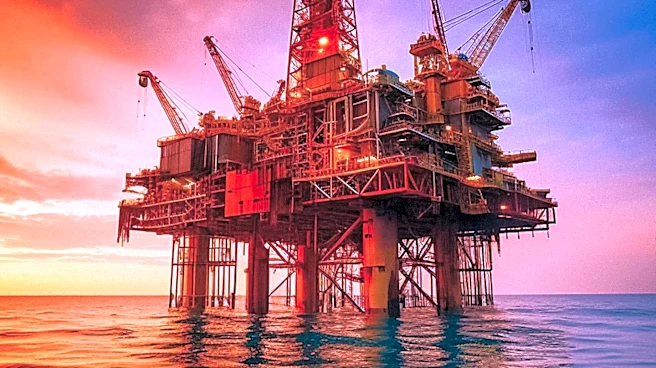
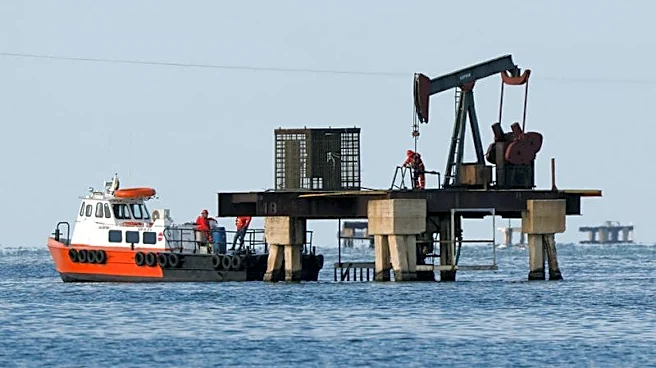
Eight months after he made those remarks, Trump may feel vindicated. On Aug. 28, the president announced what he described in a social media post as “THE BIGGEST OIL DEAL IN WORLD HISTORY!,” in which the U.S. government will hold a stake in a private Venezuelan company granted rights to
develop 17 oil fields with approximately 65 billion barrels of crude.
That's more than a fifth of Venezuela’s crude oil reserves. The United States will reportedly have the ability to purchase 20% of the fields’ production at lower rates, making it less costly to refill the Strategic Petroleum Reserve, which is at its lowest level in decades – thanks to the war with Iran.
Venezuelan oil deal was more politics than business

The deal is not without controversy. Democratic lawmakers panned the agreement as corrupt.
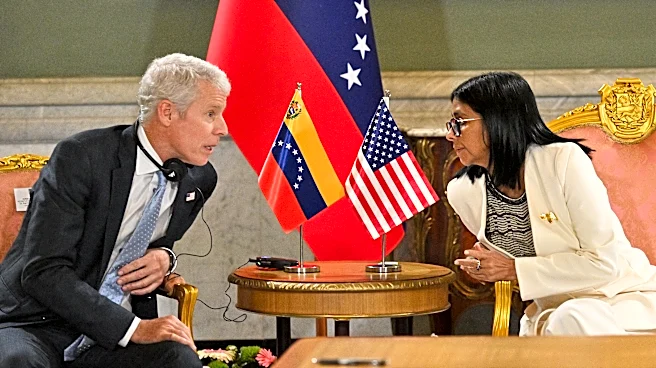
Venezuela's interim president, Delcy Rodríguez, who took over for Maduro after his extradition to the United States, faced intense criticism from people in her own country who claimed she was handing the country’s most precious resource over to a foreign power.
For many, this episode stinks of exploitation, but the geopolitics of this oil deal are even more significant than the economics. In landing such a potentially lucrative energy agreement, Trump might have upended his own Venezuela policy and given himself a big reason to favor the current provisional government in Caracas over any transition to a more democratic system.
What Trump cares about most in Venezuela and the Western Hemisphere at large is not democracy and human rights, but power and control. And any leader who supports his agenda will continue to have his support.
Rodríguez surely understands this. Since she ascended to the presidency in January, the former Maduro minister recognized that getting on Washington's good side meant offering concessions the Trump administration could brag about.
In February, only a month after Maduro’s downfall, the interim president reformed Venezuela’s oil law, one of Trump’s major irritants, to make it more financially appealing for foreign oil companies to do business in the country.
In April, Rodríguez did the same with Venezuela’s minerals industry. Whether these reforms eventually bring benefits for the Venezuelan people over the long term is far less important for Rodríguez than whether they endear her to Trump.
Venezuela's new leaders have a knack for self-preservation

So far, her strategy is working. Trump used to blast Maduro’s Venezuela as a thieving and destabilizing influence in the region. Now he repeatedly praises Rodríguez's Venezuela as a new U.S. partner.
This is despite the Venezuelan government consisting of the very same people, like Interior Minister Diosdado Cabello, who still have multimillion dollar U.S. bounties on their heads. Trump has described Rodríguez as “a terrific person” who “is doing a great job” leading her country.
The fact that millions of Venezuelans would beg to differ means little in the halls of power in Washington or Caracas.
Democracy is taking a back seat
Why does this matter? Because as long as the interim Venezuelan authorities keep the Americans fat and happy, Trump will feel less pressure to push Caracas into negotiating seriously with the opposition, reforming Venezuelan institutions like the Supreme Court and setting a schedule for new elections.
Ostensibly, the Trump administration is seeking to accomplish all of these goals by facilitating an inter-Venezuelan diplomatic process that began in August, supposedly to return genuine democracy to the South American petro-state.
Trump, though, remains the wild card in all of this. Unlike past presidents, he’s not particularly sympathetic with the democracy promotion efforts the United States has historically supported. He will happily work with autocrats if they take his orders. He regards full-bore dominance over other countries as the ultimate foreign policy victory.
And what word other than dominance best describes what Trump is after in the Western Hemisphere, a region he views as America’s playground – and one where states large and small must accept American hegemony (or else)?
Rodríguez, a canny political operator in her own right, is playing the part and giving Trump practically everything he asks for, from oil and mineral concessions to cooperation with the U.S. military against drug trafficking organizations like Tren de Aragua.
The longer she’s able to do this, the less incentive Trump will have to support a diplomatic process that could lead to a more democratic but less servile government in Caracas. This spells bad news for Nobel laureate María Corina Machado and every other member of the Venezuelan opposition who hoped Maduro’s dramatic capture would pave the way for a new era.
If the recent oil deal reveals anything, it’s that Trump has bigger things on his mind.
Daniel R. DePetris is a fellow at Defense Priorities, a foreign policy think tank, and a syndicated foreign affairs columnist.
This article originally appeared on USA TODAY: US gets Venezuela's oil. Venezuelans don't get democracy. | Opinion