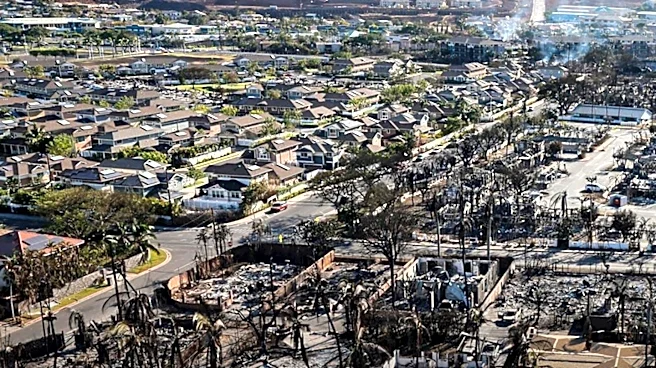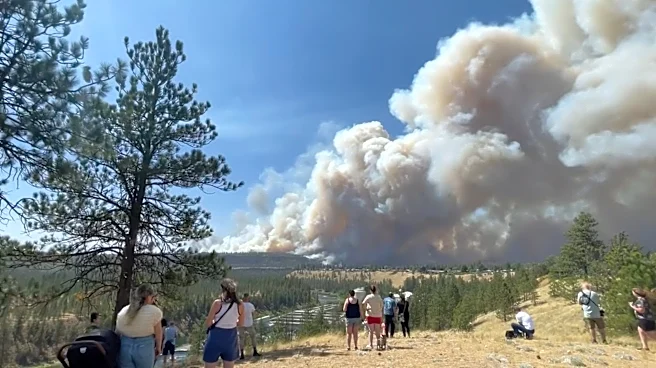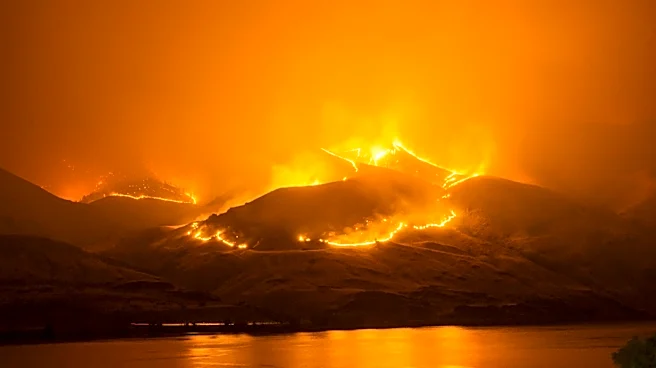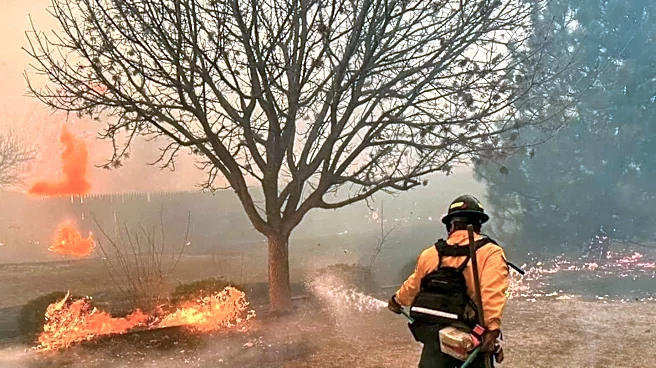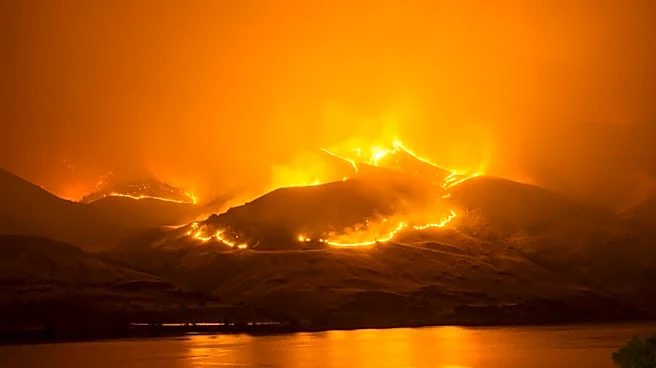

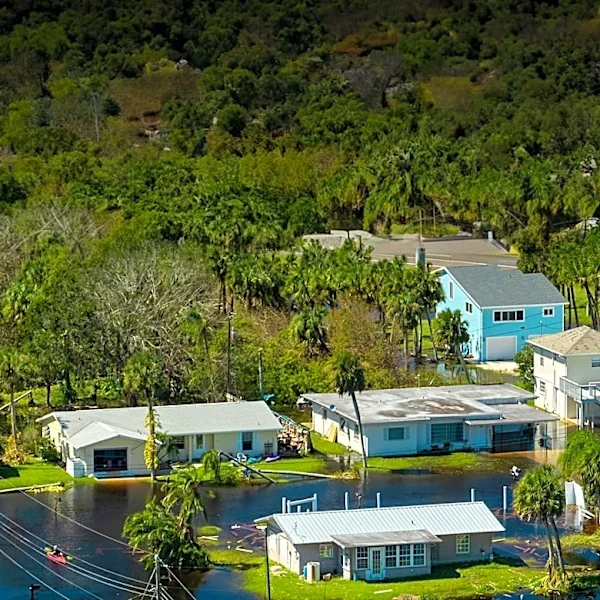

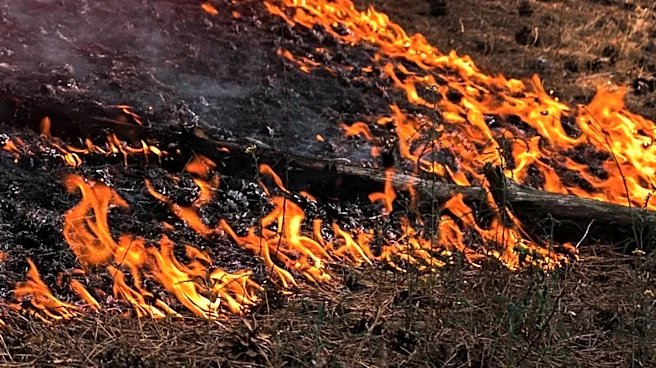

Major wildfires across the Pacific Northwest have displaced more than 60,000 residents, destroyed hundreds of structures, and burned more than 250,000 acres in Washington and parts of neighboring Oregon.
Three wildfires in Washington, collectively known as the Spokane Area Fire, had burned more than 7,700 acres and remained 0% contained as of Aug. 2, according to Benjamin Cossel, spokesperson for California Interagency Incident Management Team 7.
The fires have destroyed more than 600 structures, including homes and businesses, Cossel said. Officials said more than 900 firefighters, including personnel from outside the state, were battling the wildfires.
The blazes burned about 8 square miles in and around Spokane over the weekend, joining dozens
of other fires across the western U.S. that have stretched the capacity of federal, state and local firefighting agencies.
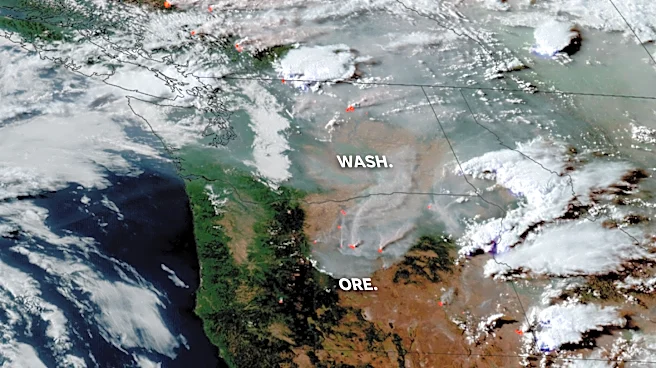
Here's a look at where Washington and Oregon are battling major wildfires.
Where major wildfires area burning in Oregon
Authorities said on Aug. 2 that wildfires in eastern Washington state destroyed at least 600 homes, businesses and other structures and prompted the evacuation of 60,000 residents in the Spokane area.
This year, more than 330 wildfires have scorched nearly 2 million acres in Washington and Oregon, contributing to one of the region's worst wildfire seasons on record, according to the Northwest Interagency Coordination Center.
Western US battling wildfires
The 2026 wildfire season in the Pacific Northwest has surpassed 2 million acres burned well before the region's historical August peak, driven by prolonged heatwaves, dry conditions and severe lightning events tracked extensively by NOAA satellites, according to National Interagency Fire Center.
Wildfire smoke causing unhealthy conditions
Much of the Northwest will remain under hazardous conditions this week, with gusty winds and high temperatures helping wildfires spread quickly. Smoke will reduce air quality and blanket the region in haze, affecting millions of people, according to Accuweather.
Even as wind speeds gradually decrease in the days ahead, wildfire danger is expected to stay exceptionally high across much of the northwestern United States. Areas farther east, including sections of the northern Plains, will continue to face a moderate risk, Accuweather says.
Learn more about wildfires and smoke dangers in these visual stories:
- Maps show air quality, smoke, and wildfires across the United States.
- We charted every wildfire since 1984. The data shows a dramatic increase.
CONTRIBUTING Christopher Cann/USA TODAY
This article originally appeared on USA TODAY: Washington, Oregon battles fast-moving wildfires. Maps track path