




The best way to prepare for severe weather is to know when it’s coming. Some people say they can feel it in their bones when it’s going to rain, or they may be familiar enough with where they live that they notice the atmospheric changes that signal the perfect conditions for a dangerous storm.
One of the most foolproof ways to know when hurricanes, tornadoes or other severe storms are en route or likely to form is to have your smartphone nearby. There are many different ways the handheld device can track approaching weather systems, access important information from the professionals and make you aware of it with a notification.
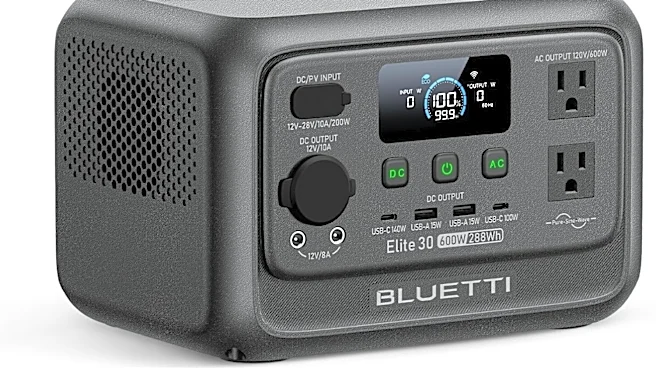
In addition to your phone and an external power bank to keep it charged, it’s also worth including a weather radio
in your emergency tech kit. Unlike smartphones, these don’t need Wi-Fi or cellular service to pick up and broadcast important weather information.
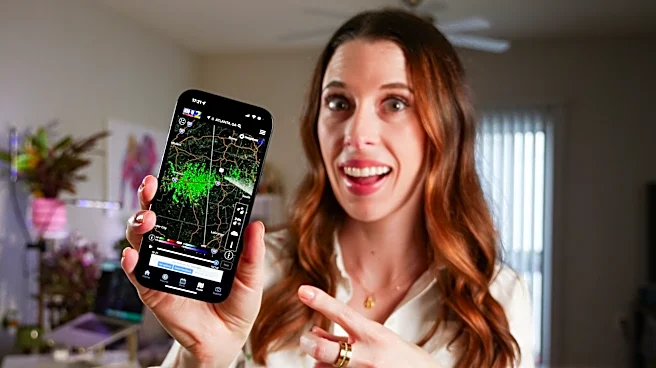
Watch this video to see how your phone can help you stay alert when severe weather heads your way.
Weather radar
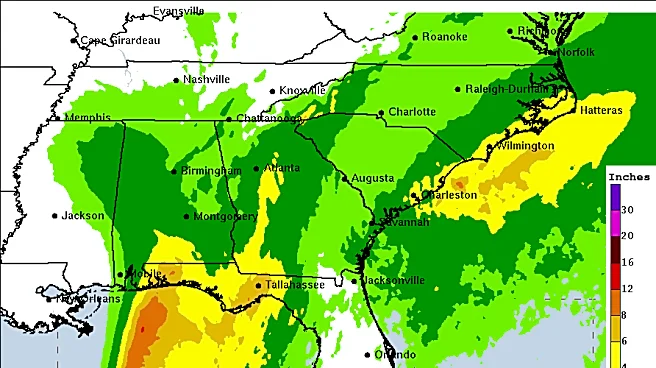
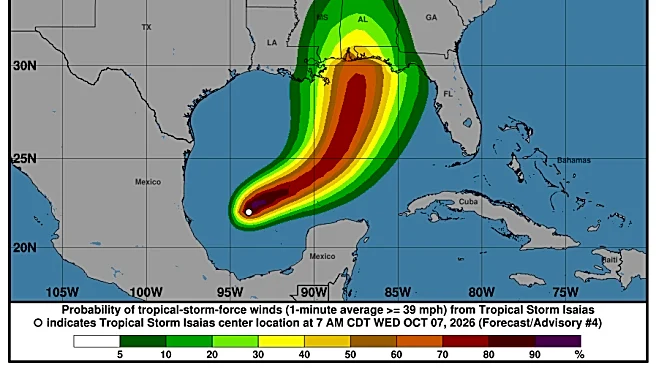
Weather radars show the path the storm is taking. These can give you an idea of when the storm is expected to hit your area, bringing heavy rain, winds and other potentially dangerous conditions. Many weather apps, including the ones that come on your smartphone, have a radar built into the app that you can view. They usually also allow you to toggle between different forecast options, like a next-hour forecast or a 12-hour forecast. Websites like Accuweather, The National Weather Service and The Weather Channel also offer radars you can view. Plus, they may also include expert commentary from meteorologists warning what you may or may not expect as the storm approaches. If you want a local look at the forecast and potential impact, check your local news stations. In addition to the TV channels, many are streaming on OTT platforms and on their apps. Some stations also have weather-specific apps, social media pages for their meteorologists and will share local weather information in a way that’s easier to understand.
Severe weather notifications
Android and iPhone devices have a built-in setting that will notify you of any nearby emergencies or public safety alerts, complete with an incredibly loud sound to accompany it. The goal is to get your attention or wake you up, and it works. You can toggle different Government Alerts on or off under the Notifications settings on an iPhone and in the Safety & emergency page on Android.To stay up-to-date, turn on push notifications for updates any time your local meteorologist, news station or your city’s emergency management page shares an update on their social media pages. Your local newspaper or television news station may offer a way to connect you with journalists in your area to get text message updates on weather warnings, local services, and more. The Asheville Citizen Times offered this service to members of their community in the aftermath of Hurricane Helene.
How to safely shelter from storms
When it comes to storms, staying protected can be easy if you are prepared and know what to do. When severe weather is brewing, it's not uncommon to hear forecasters mention a “watch” and/or a “warning” when talking about storms like tornadoes and hurricanes. According to the National Weather Service, the difference between the two is:
- "Watch" indicates the conditions are favorable for a hurricane or tornado.
- "Warning" indicates a hurricane or tornado has been sighted or indicated on a weather radar.
For hurricanes, there is often time to evacuate before it makes landfall. Listen to local officials and be ready to evacuate if directed. If you have pets, make sure they're included in your evacuation plans.
If you are sheltering in place during a hurricane, the National Weather Service recommends:
- Boarding up your windows.
- Seeking shelter in an interior room, closet or hallway. The goal is to put as many walls between you and the outside.
- Avoiding sheltering in rooms with windows, skylights and glass doors.
- Don't forget your pets!
The Federal Emergency Management Agency (FEMA) recommends sheltering from tornadoes by:
- Seeking shelter in a basement, storm shelter or interior room, ideally on the lowest level of the building.
- Staying away from windows and doors.
- Using your arms to cover your head and neck, and surrounding yourself with furniture and blankets.
- If you are in a vehicle, do not try to outrun the storm. Do not seek shelter under a bridge or overpass.
More emergency essentials to consider

FosPower Emergency Weather Radio Portable Power Bank
Keep your devices charged and powered at all times with this multifunctional power bank, which also doubles as a weather radio and flashlight.
Buy at Amazon

Bluetti Solar Generator Elite 200 V2 2025 New
This new Bluetti solar generator is strong enough to help power your RV, camping gear or home in case of a power outage.
Buy at Amazon

Topsung M880 Walkie Talkies
If your cell phone battery is running low or signal is sparce, these walkie talkies will come in handy and help your party stay connected.
Buy at Amazon

GearLight LED Flashlights
Caught in a power outage? These compact flashlights will help you see through the darkness, whether you're at home or outdoors.
Buy at Amazon
This article originally appeared on USA TODAY: Stay weather-ready with these smartphone notifications
Our editors independently choose our recommendations. Some content is produced with paid support from a third party, however our editorial decisions remain independent. If you buy through our links, the USA TODAY Network may earn a commission. Prices and availability may change.