
Hope for the best, but be prepared for the worst.
That's the message many Americans have been adopting as speculative rumors of a catastrophic power failure came and went in mid-November and as smaller-scale
tech disruptions have seemed never-ending.
Experts and government officials have long urged Americans to be prepared for a slew of scenarios including electrical disruptions, tech outages and natural disasters that destroy infrastructure and cut people off from communication.
Whatever the reason for future power or network outages might be, the steps to prepare are similar.
You should prepare a supply of essentials like food and water that can last for several days and keep it in your home. Other necessities include paper copies of important records, a way to get emergency information and connections with your community, experts say.

"Ideally, people should not be panicked," Irwin Redlener, a physician and senior adviser at the National Center for Disaster Preparedness at Columbia University, told USA TODAY. "They should be planning."
Here's what to do to prepare now for emergencies:
Make an emergency kit with essential supplies
The government disaster readiness website ready.gov advises that people keep a store of supplies that can get them through several days if they lose access to power, running water and other important services. James Kendra, director of the Disaster Research Center and a professor in the Biden School of Public Policy and Administration at the University of Delaware, says that kit should last seven to 14 days, possibly even more for people who live in remote areas that could be cut off from services in a crisis.
Here are some things you should keep for emergencies, with a full list available at ready.gov.
- Water (enough for each person to use a gallon each day for drinking and sanitation)
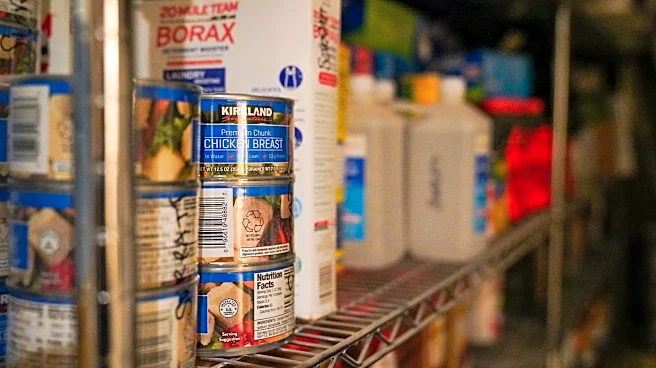
- Non-perishable food (and a can opener)
- Battery-powered or hand-crank radio and a NOAA Weather Radio with tone alert
- Flashlight
- First aid kit
- Extra batteries
- Paper maps of your area
- Cell phone with chargers and backup battery
Experts have also shared these tips with USA TODAY:
- Cash: It's a good idea to have cash on hand in case you can't use mobile payment options or ATMs are down, Kendra said.
- Paper copies of important documents: Bank statements so you have all your account numbers, a printed insurance statement, phone bill and mortgage or rent documents, so that you have the numbers available you might typically go online to get.
- Landline: If you don't have a landline, you might still be able to use your cell to send SMS text messages or use Wi-Fi to send messages or make calls in case of a cell network outage.
- Phone numbers: Write down or memorize loved ones' phone numbers, and make a communication plan for how you will get in touch with each other if networks go down.
- Prepare for your pets, too: Keep food, water, medications and paperwork for your pets with your emergency kit. Have a plan for what you will do with them if you have to evacuate, said Danielle Eiseman, the associate director of the Cornell Health Impacts Core in the Department of Public and Ecosystem Health at Cornell University.
Get to know your neighbors
Kendra told USA TODAY that in times of crisis, help often comes from local communities, not just agencies like FEMA. People don't often think of networking as a form of disaster preparedness, but Kendra said social networks are a major part of disaster response.
Get to know your neighbors and join community organizations, he said. The time to start building these relationships is before disaster strikes.
Something "vital for people to do in whatever circumstances they find themselves is to try to make their their social connections, their networks as robust as they can," he said.
Contributing: N'dea Yancey-Bragg
This article originally appeared on USA TODAY: Are you ready for a disaster? Here's what you should do now