


Climate troublemaker El Niño has disrupted humanity for millennia in dramatic fashion, according to a new study that looks back at ancient societies in present-day Peru.
Researchers were fascinated to find that people there suffered round after round of devastating El Niño floods over thousands of years, but the disasters usually didn't devolve into violence. They also found that human sacrifices were conducted roughly between the years 550 and 1450 in an attempt to appease nature.
Authors say their findings suggest that climate disasters don't necessarily push societies toward violent breakdown.

What is El Niño?
El Niño is a natural climate phenomenon in which surface waters in the central and eastern Pacific Ocean become unusually warm, causing weather extremes
around the world, including drought in some regions and heavy rainfall in others.
How do we know there were El Niños thousands of years ago?
Scientists can track prehistoric El Niños by using "proxies," such as lake and marine sediments, ice cores, or tree rings. These are natural sources that preserve indirect evidence of past changes in tropical Pacific temperature and rainfall.
In the case of ancient Peru, there were a lot of different proxies, said Thomas Snyder of New York University, coauthor of the study, which was published earlier this month in Frontiers in Environmental Archaeology.
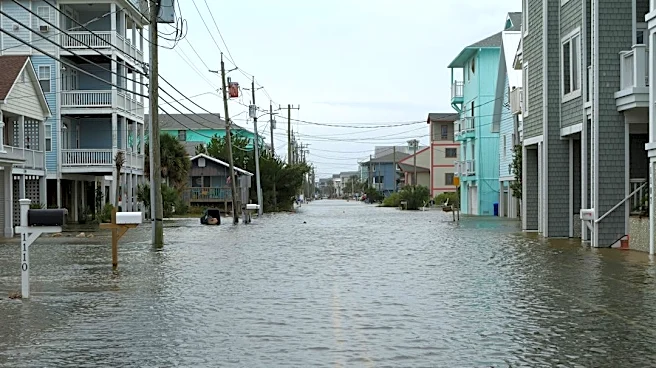
He told USA TODAY that the proxies included shellfish shells and lake sediments and debris, which can preserve evidence of unusually wet or dry years that were associated with El Niño. In places such as coastal Peru and Ecuador, El Niño flooding can leave distinctive sediment layers, he said.
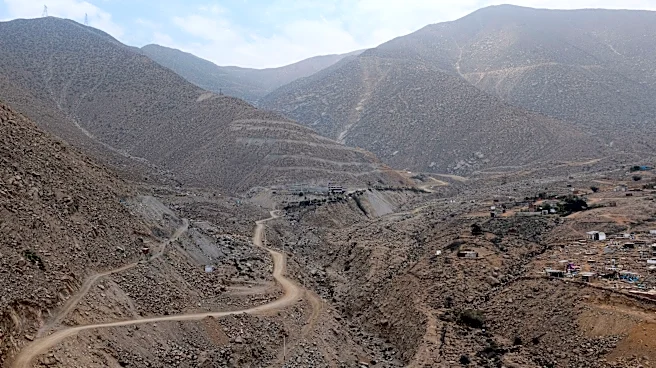
According to the study, the valley normally had very little rainfall, but it benefited from rivers and seas bursting with life. But El Niño events killed off fish stocks and flooded the valley with torrential rain, throwing local food production systems into crisis.
Human sacrifices part of life
While jarring to our modern sensibility, human sacrifice in ancient culture was "common."
"Every human culture offered human life," said study coauthor Haagen Klaus of George Mason University. There's nothing unusual about it, he added.
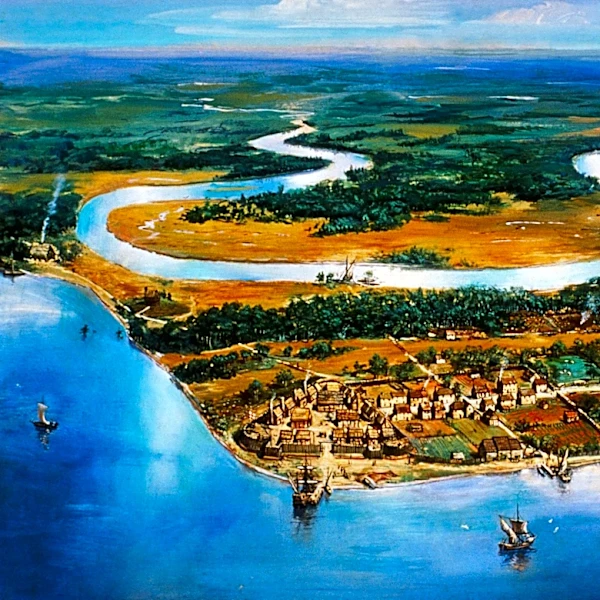
In ancient Peru, "leaders of the Moche and Sicán appear to have held power partly by their claims to be intercessors with the natural world," explained Klaus (The Moche and Sicán were two major civilizations of ancient Peru’s north coast, flourishing centuries before the Inca, roughly from 550 to 1450 C.E.).
"Large-scale events of human sacrifice just before the collapse of the Moche and Sicán political systems appear like attempts at bringing the forces of nature back into balance by offering their most precious lives to the supernatural. It’s here where the most extensive evidence of violence is found in Lambayeque," he said. The violence of the ritual sacrifices was not the sort of everyday violence we might expect from competition over resources or raiding, Snyder said.
The Lambayeque Valley is on the northern Pacific coast of Peru, roughly 400 miles northwest of Lima, and "was home to a sequence of creative, innovative, and resilient cultures," according to Klaus.
"The people of ancient Lambayeque were probably very different from us," Klaus said. "On the other hand, archaeological evidence shows that in so many ways they were mirrors of us – in how they lived their daily lives, interacted with their world, ran their economies, and confronted (and sometimes contributed to) environmental crises."

How can archaeologists tell how people died?
Skulls and skeletons that showed evidence of death due to blunt force trauma were from people who died violently, while sacrifice victims did not have such evidence, study authors told USA TODAY (human sacrifice was done by bloodletting).
For example, analysis of skeletons of sacrifice victims shows knife cuts consistent with ritual slitting of the throat or cutting of the chest.
'Choose how we respond to our own climate crisis'
According to the study, "violence and social unraveling are not destined outcomes." Indeed, the study found that despite mass ritual sacrifices, everyday violence was extremely low in ancient Peruvian communities hit by climate disaster.
"The main thing that jumped out at us was just how few cases of interpersonal violence we observed outside ritualized contexts," said Snyder in a statement.
"This really highlights that widespread violence isn’t a predetermined response to climate change. As a society, we both get to and have to choose how we respond to our own climate crisis," he added.
Doyle Rice is a national correspondent for USA TODAY, with a focus on weather and climate.
This article originally appeared on USA TODAY: Ancient El Niños left a trail of devastation and human sacrifice