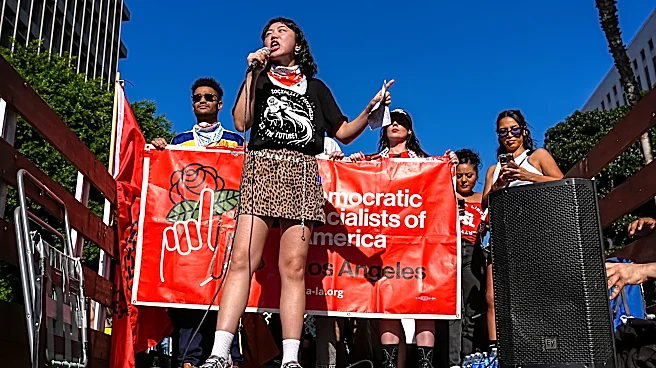



As Democratic Socialists of America (DSA) candidates become a more prominent force in the Democratic Party, there’s debate about whether it should move toward the political edge or compete for the bulk of voters in the center.
The leftward shift in the Democratic base
, however, may have less to do with winning political strategy and appealing policy and more to do with the psychology of groups – that is, political tribalism.Political in-groups, or tribes, behave differently than traditional democratic (with a small d) political culture assumes. They use purity tests to weed out dissenters and fakers. Group members seek identities that make them feel both connected and distinct at the same time – psychologists call this optimal distinctiveness.
As politics becomes more tribal, we may think it’s the candidates or their policies that appeal to us, but often there are other deeper drivers at work, such as belonging, identity and uniqueness.
Traditional democratic politics has often been a competition to capture the middle. Right now, Democrats could compete for the many voters who are dissatisfied with Republicans but don’t see themselves as part of the left, the way Bill Clinton’s “New Democrat” campaigns once did. George W. Bush’s “compassionate conservatism” similarly maintained his party identity while appealing to voters outside the Republican base.
Competing to represent what most voters want, and winning by speaking to the interests and concerns of the most people, is a healthy political dynamic. It gives parties a strong incentive to listen to voters outside their bases, develop positions with broad support and identify candidates capable of winning people over – making politics more responsive to more voters; not just their most loyal ones.
The logic of the purity test

Political in-groups are different. Because in-groups share resources among themselves, converting new members isn’t very appealing – there’s less to go around for everyone else. So tribes focus instead on identifying and excluding nonmembers.
Moderate positions are held by too many people to work as purity tests; endorsing something extreme is what proves you belong. Skeptics and dissenters get marginalized or pushed out, leaving more influence, status and resources for those who pass the test.
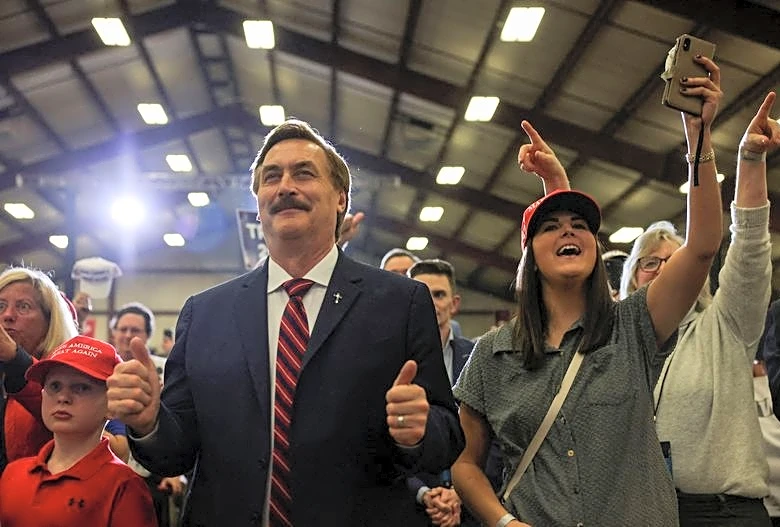
Tribalism also makes people more attuned to labels and identities that signal three things at once: difference from the opposing party, belonging to their own and distinctiveness within it. Calling yourself a democratic socialist does all three – it marks you as anti-Republican and as something more specific than "just a Democrat." Similar pressures help explain why Republicans gravitated toward the more specific MAGA label.
The result is a growing divide between ordinary party members and the activist base – the ones most vocal, most likely to show up at rallies and most likely to vote in primaries.
The average Democratic voter does not want to defund the police or abolish the Senate – both key DSA positions.
And that split matters for winning over independents, too: They now make up a record 45% of U.S. voters, and a recent YouGov poll found they want both parties to move toward the center.
But unlike the small bands in which our ancestors lived – and which pooled resources like food, information and skills – political tribes have few resources to offer ordinary voters.
Party members will not receive a larger Social Security check, greater national security or more personal freedom for their loyalty (unlike in other countries).
A healthy political landscape in US is a less extreme one
We don't usually think of competition as a source of well-being, but it's far better than tribal politics at spreading benefits to more people, not just the in-group.
It rests on a basic democratic assumption: that all Americans are equal, that party members are no better than nonmembers, and that how you vote earns you neither better treatment nor greater access.
When parties compete on good policy and strong candidates, the benefits spill over well beyond the tribe. Parties should have to earn support from as many people as possible. After all, our government draws its power from the consent of the governed, not just the consent of whichever party holds office.
When Democrats abandon the middle, moderate and politically homeless voters are left with fewer meaningful choices. It also lets Republicans off the hook – with less pressure to compete for those voters, both parties end up courting their most ideological members instead of the broader public.
If we want to make politics in America healthy again, we need to make it more competitive and less tribal. That happens in the middle, not on the extremes of either party.
Lura Forcum, PhD, is a social and consumer psychologist and nonprofit leader whose work explores how identity and belonging shape our political lives. She serves on the Board of Advisors for the Prohuman Foundation.
This article originally appeared on USA TODAY: How democratic socialism became Democrats' new purity test | Opinion