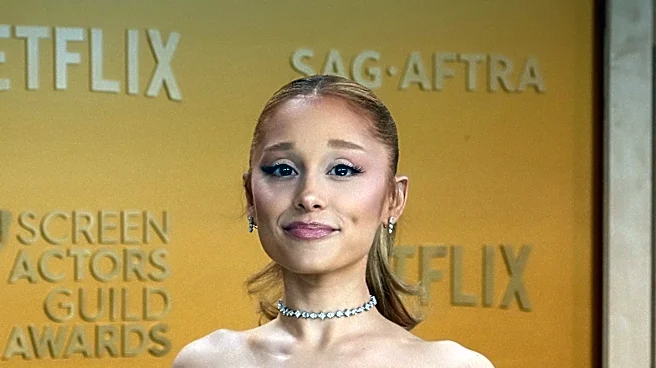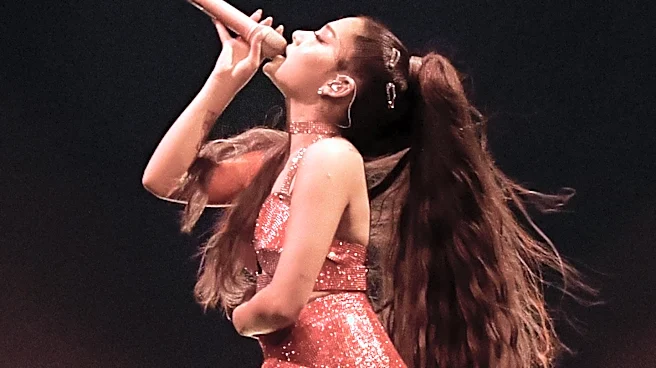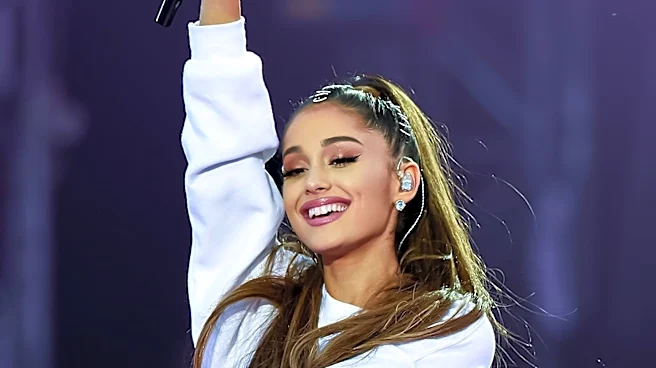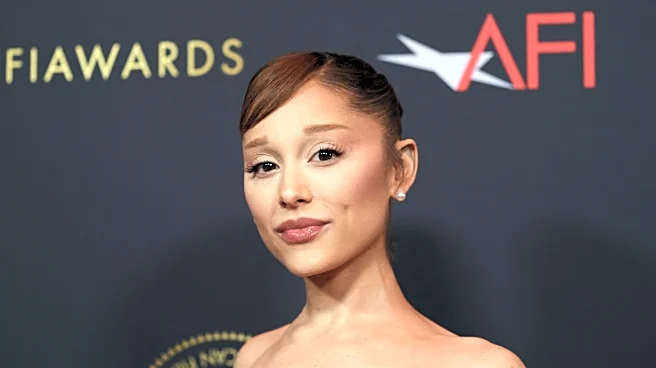



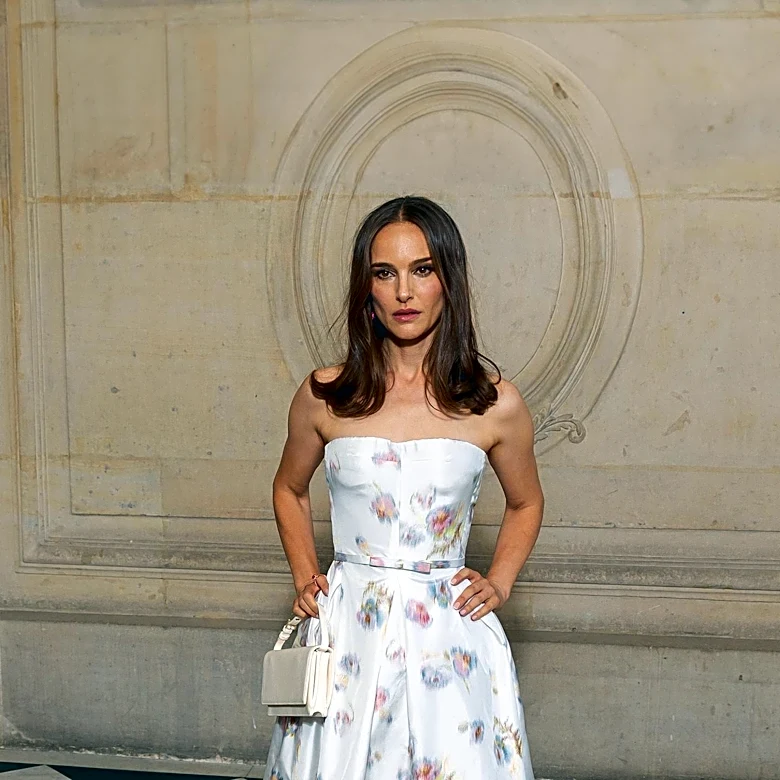


Ariana Grande announced she will step back from the public eye after spending the past year promoting a second "Wicked" film, touring for the first time in six years, releasing her eighth studio album and ending a three-year relationship.
Amid her busy schedule, the 33-year-old actress and pop star has been the subject of frequent, often cruel commentary about her appearance. On social media, onlookers have speculated about her health and weight.
"Ariana will be taking a step back from visibility after she completes the Eternal Sunshine Tour," a representative for Grande said in a statement to USA TODAY on Aug. 2. "She looks forward to finishing the tour and ending it on a high note, both healthily and happily, and then taking a much-deserved
break from public-facing work and appearances which has led to endless, ongoing public scrutiny."
Grande isn't the only celebrity to spark discourse online as more and more celebrities undergo major body transformations.
Some dietitians, celebrities and well-meaning fans have shared concerns as a troubling trend of thinness seems to be taking shape in Hollywood. In May, actress Jameela Jamil said a "scarily thin" beauty standard "has taken hold of our society," echoing comments circulating on social media. But still, commenting on someone's appearance can be harmful, and Grande has spoken out in the past about how it has negatively affected her.
"Commenting on others' looks, appearance, what they think is going on behind the scenes or health, or how they present themselves – from what you're wearing to your body, to your face, to your everything – there’s a comfortability that people have commenting on that I think is really dangerous," Grande said in a December 2024 interview.
Like anyone else, Grande deserves privacy while navigating her health, and freedom from cruel comments. But at her level of fame, she also holds a lot of influence − whether she means to or not, her appearance inevitably contributes to today's body standards.
So, should we be talking about bodies like this? Mental health experts say the short answer is no, but there are ways to have appropriate conversations about larger, societal concerns − it just requires a more nuanced approach.

How beauty standards are changing
Part of the tension right now is that after years spent moving toward body positivity and body neutrality, it feels like we're going in a drastically different direction, according to Dr. Sarah Gupta, psychiatrist and medical director at mental health service platform Modern Health.
We're experiencing a retreat from the 2010s wave of size inclusivity that prompted brands to showcase more diverse bodies, increased conversations about fat acceptance and the normalization of imperfections like cellulite and stretch marks. Some of the comments on Grande's appearance may be, in part, due to fear of returning to the toxic diet culture and beauty standards that prioritized thinness in the '90s and 2000s.
Social media plays a crucial role in body image and the development of eating disorders, and comments on posted photographs matter, too. Online, we're seeing "a return to the outward profession of the desire to be skinny, whereas for a while it's been, ‘I want to be healthier, I want to engage in wellness,’” Lizzy Pope, an associate professor at the University of Vermont who researches diet culture in popular culture, previously told USA TODAY.
"What I'm seeing is a return of that language being accepted," Pope said.
Discourse that challenges those revived norms can be important to dismantling toxic beauty standards − when done with everyone's best interest in mind. Gupta says the goal isn't to ignore these concerns, but "to have the conversation in a way that supports health without creating more pressure."
How do we talk about celebrities like Ariana Grande?
Rather than zooming in on one person, Gupta suggests keeping the focus on the bigger trends at play.
"Instead of asking whether a specific person looks ‘too thin,’ we can talk about the broader patterns we’re seeing," she previously told USA TODAY, including the "the rapid rise in the visibility of medications like GLP-1s and the messages they send when used outside of current clinical guidelines."
"When the focus stays on individual bodies, even with good intentions, it can quickly become toxic and harmful."
When approaching these conversations, Gupta suggests keeping these tips in mind:
- Avoid commenting on body shape or size.
- Consider the bigger picture, including how drug companies market GLP-1s, who can and can’t access them and the role social media algorithms may play in their popularity.
- Remember what we say, in person or online, can affect how other people feel about their own bodies, especially young people.
If you or someone you know is struggling with body image or eating concerns, the National Eating Disorders Association's toll-free and confidential helpline is available by phone or text at 1-800-931-2237 or by click-to-chat message at nationaleatingdisorders.org/helpline. For 24/7 crisis situations, text "NEDA" to 741-741.
Contributing: KiMi Robinson
This article originally appeared on USA TODAY: Ariana Grande and when the cruel body commentary goes too far