


In the trauma bay, nobody asks a patient how they vote. We ask where it hurts. What happened, and when. Whether we have enough blood. How fast we can get them to the operating room.
But by the time a patient reaches my table, much of their story has already been written, and not by them or by me. Whether they had insurance. Whether they could afford their medications. Whether the ambulance was eight minutes away or 40. Whether the research behind the treatment I am about to give was funded a decade ago.
None of those decisions were made in a hospital. They were made in statehouses, county offices and federal agencies, by people we elected.
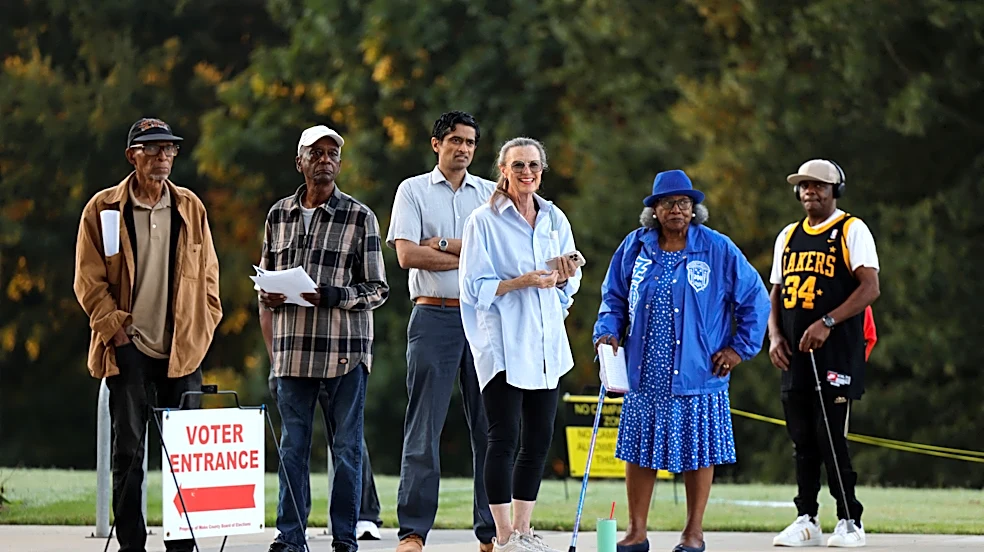
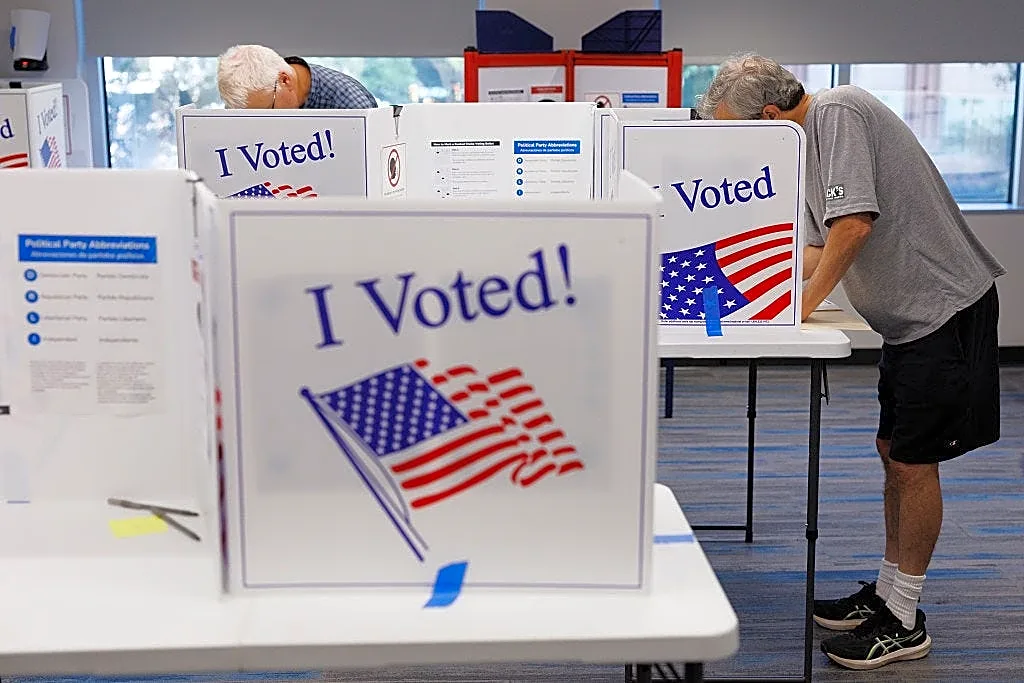
On Nov. 3, Americans will vote in the midterm elections. Health won’t appear by name on most ballots. Even
so, it's on every one of them.
Behind every health policy is a patient

Washington matters. But so does your governor, who shapes how Medicaid works in your state. Your state legislator, who determines what your health department can afford to do. Your county commissioner, who can influence whether the emergency medical services station down the road is staffed. Your school board, which decides whether a child with asthma has a nurse down the hall.
Science is on the ballot, too. The officials we elect help determine whether we fund the research that becomes tomorrow’s cures, and whether the agencies that keep our food, water and medicines safe have the expertise to do their jobs.
The stakes are not theoretical. More than 73 million Americans were enrolled in Medicaid or the Children's Health Insurance Program in June, and the Congressional Budget Office estimates that changes enacted in 2025 will reduce Medicaid enrollment by 13.1 million people by 2035.
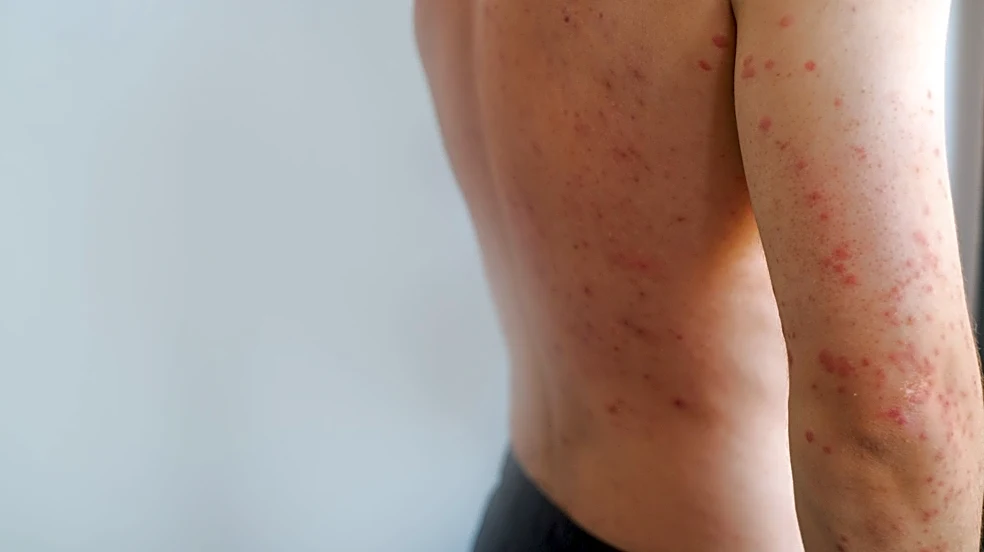
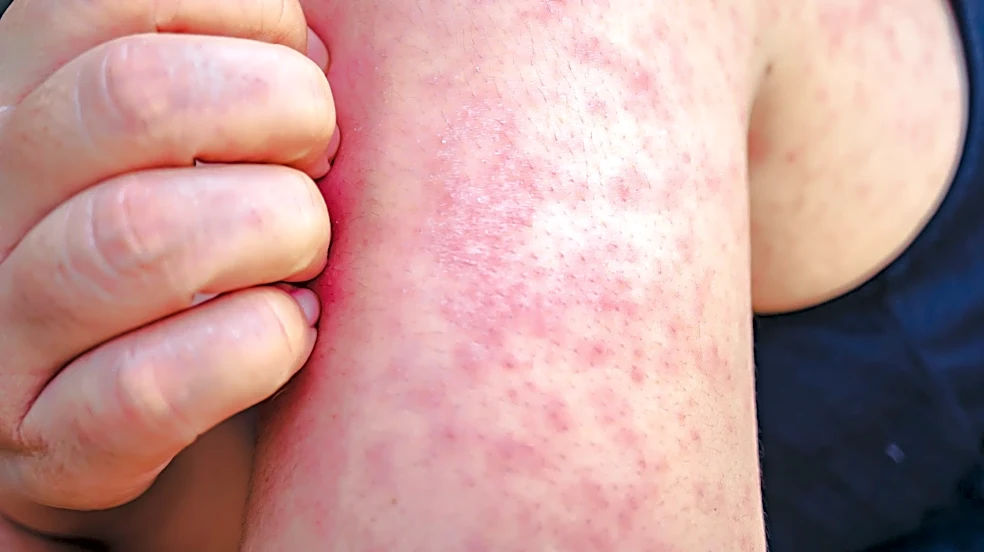
Measles, a disease most Americans thought we had beaten, had sickened more than 4,400 people this year as of Oct. 16, according to the Centers for Disease Control and Prevention, far more than the 2,289 cases reported in all of 2025. New York has declared a statewide disaster emergency in response to its outbreak. And the National Institutes of Health is funded only through Dec. 11 under a stopgap budget.
Behind every number is a patient. I have cared for people who delayed treatment after losing insurance coverage, for rural patients who lost precious minutes waiting for help, and for families frightened by an infection that should have been prevented.
Policy has a pulse. I have felt it.
And its effects compound. A coverage decision made today can determine whether a child’s illness is caught early or becomes disabling. A public health position left vacant can mean an outbreak is discovered next week instead of tomorrow. A research grant never funded can mean a treatment that does not exist in 2036.
Health does not run on two-year election cycles, but it is shaped by them.
None of this means there is one correct political answer. Clinicians argue, sometimes fiercely, about how to pay for care and how large government should be. That isn’t a failure of medicine. It’s democracy.
Before you vote, ask these questions
What should not be controversial is that evidence matters. In medicine, changing course when the facts change isn’t weakness; it is the job. A surgeon who clings to a convenient diagnosis isn’t showing conviction; that surgeon is endangering a patient. We should expect no less from the people we elect.
Before you vote, ask the questions a clinician would ask:
- What’s the evidence? Is a candidate’s health claim grounded in credible research, or simply repeated until it sounds true?
- What’s the plan for the patient in front of us? What would a proposed policy mean for coverage, cost and access in your community?
- Who is accountable if a policy fails? Good medicine measures outcomes. Good government should, too.
- Will a candidate change course when the facts change? In medicine, refusing to update a diagnosis can harm a patient. In public life, it should give voters pause.
- Does the candidate respect the people who do the work? Nurses, scientists and public health officers don’t have every answer, but when they sound an alarm, they deserve to be heard.
In September, Dr. Kavita Patel and I argued that clinicians who step into public life aren’t leaving medicine behind; they are practicing it at a different scale. Voters can, too, in their own way.
To my colleagues in medicine, nursing and public health: You hold trust most institutions can only envy. Spend it carefully. Don’t tell patients how to vote; the exam room is not a campaign stop.
But remind them that voting gives them a say in the conditions that shape their health. Help your staff make a plan. Make sure no one on your team has to choose between a shift and a ballot. And when a patient asks what a policy means for them, give them what we owe them in every other moment: the best evidence we have.
To everyone else: You don’t need a medical degree to vote with health in mind. You don’t need to share my politics. You only need to recognize what every doctor learns early: The conditions around a patient can matter as much as the treatment.
The ambulance has to arrive. The hospital has to be there. The medicine has to be affordable. The outbreak has to be caught. The research has to be funded. And someone decides whether all of that happens.
In the trauma bay, I treat one patient at a time. At the ballot box, all of us get to shape something larger: the conditions that determine who gets sick, who gets care and who gets better.
That, too, is health care.
Dr. Joseph V. Sakran is a trauma surgeon and executive vice chair of surgery at Johns Hopkins Medicine.
This article originally appeared on USA TODAY: From Medicaid to measles, midterms will shape your health | Opinion