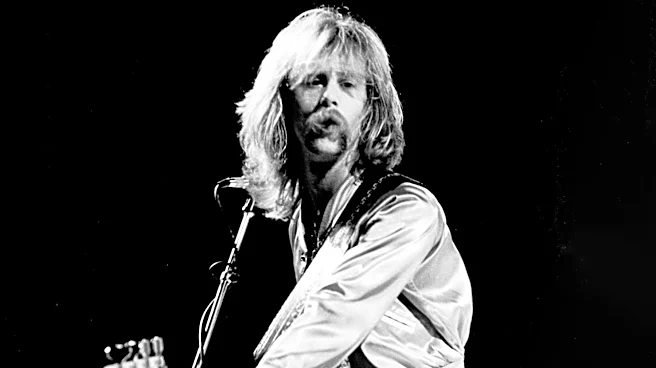




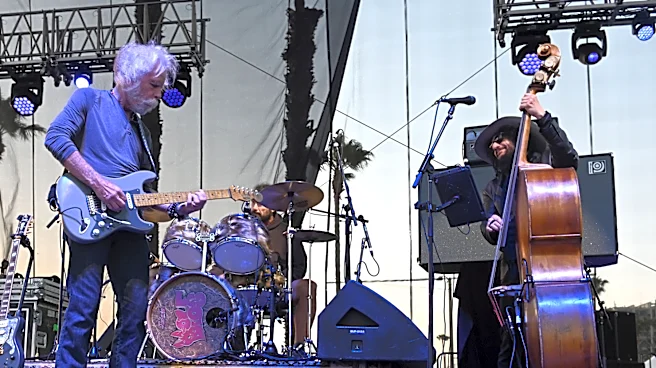
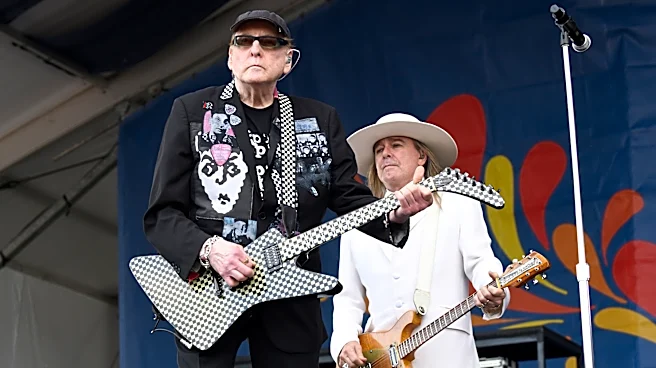

Rock musician Chris Campbell, best known for playing bass in Bob Seger & the Silver Bullet Band, has died. He was 78.
Campbell died of natural causes on Sunday, Nov. 22, his wife Courtney confirmed to Rolling Stone. Seger later paid tribute to Campbell and their yearslong friendship in an emotional Facebook post.
"Chris was with us as we started out, traveling to gigs in station wagons and vans and for the next 40-plus years – all the way through our last show in 2019. He was a great musician," Seger, 81, wrote in the Nov. 25 post. He called Campbell's death a "huge and sad loss."
"Chris understood well the roots of rock and roll, rhythm and blues," Seger added. "His ability to lock into a pocket with a drummer was extraordinary, and he was remarkably
consistent show to show. Off stage, his sense of humor kept us laughing and entertained."
The bassist first joined forces with Seger in 1969 as a member of Seger's band the Bob Seger System, which broke out the previous year with its hit "Ramblin' Gamblin' Man." Campbell, who also hailed from Seger's native Michigan, was enlisted after an injury in the group created a gap in the lineup.
"I was hired in what I thought was a temporary job as bass player because Dan Honaker had just broken his wrist about a week before the Mongrel tour [in a motorcycle accident]," Campbell told Rolling Stone in 2011. "I had a week to prepare. I had to learn this album frontwards and backwards."
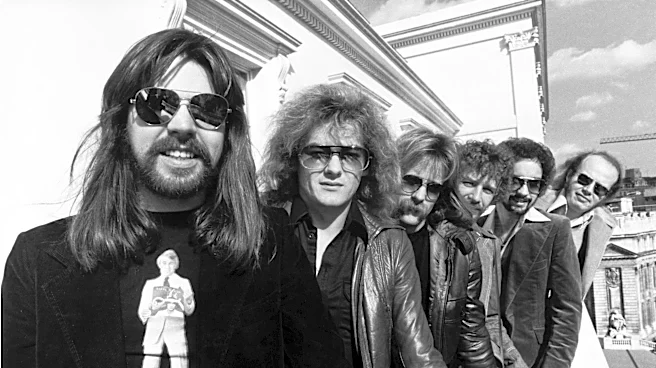
Following the breakup of the Bob Seger System and a lackluster stint as a solo artist, Seger assembled Bob Seger & The Silver Bullet Band in 1974. Campbell was again tapped to be the bassist alongside guitarist Drew Abbott, drummer Charlie Allen Martin, keyboardist Rick Manasa and saxophonist Alto Reed.
The Silver Bullet Band bolstered Seger's musical efforts on the albums "Seven" (1974) and "Beautiful Loser" (1975), which laid the groundwork for their breakthrough project "Live Bullet" in 1976.
The live album, recorded at Cobo Arena in Detroit, launched Seger and the band into the mainstream, peaking at No. 34 on the Billboard Pop Albums chart. Their follow-up studio effort "Night Moves," released six months later, spawned the Hot 100 hits "Night Moves" and "Mainstreet."

Despite their success, Campbell was candid over the years about the rigors of the music industry.
"We have all [thought about leaving] at one time or another," Campbell told the Observer and Eccentric in 1987. "It would be an out-and-out lie to say we haven't. You get tired, and it's terrible on relationships."
By the following decade, Bob Seger & The Silver Bullet Band had cemented their musical impact. The group received a star on the Hollywood Walk of Fame in March 1987.
Things slowed down for the band in the '90s and 2000s after Seger took a nearly decadelong hiatus to spend time with his family. Seger returned to music in 2006 with the solo album "Face the Promise." The Silver Bullet Band later reunited for Seger's farewell tour, which wrapped in 2019.
"Bob works at his own pace," Campbell previously told Rolling Stone. "I can go out and do something else. It's the way it's always been since 1969. I wouldn't know any other way. This is my life, and I'm very happy with it. I have wonderful kids and a good life, and we're all friends. We're all very fortunate.
"There's no animosity and no fighting. Bob is our rock, our patriarch. We all look up to him. He's so easy to work with. He's a wonderful man, just as a human being."
However, Campbell took legal action against Seger and his manager, Punch Andrews, in 2021, alleging a series of unpaid royalties from albums and tours, per Rolling Stone. Campbell reportedly lost his music royalties claims in the lawsuit.
In his Facebook tribute to Campbell, Seger recalled the musicians' enduring bond.
"Chris was like family; we raised our kids together," Seger wrote. "It was a blessing to share this journey with Chris, and I'll cherish the memories forever. [Rest in peace] my friend."
This article originally appeared on USA TODAY: Chris Campbell, Bob Seger & the Silver Bullet Band bassist, dies at 78