






A 13-year-old boy has been hospitalized due to a severe case of West Nile Virus, a mosquito-borne disease with no licensed vaccine to prevent the illness nor specific medication to treat it.
Joseph Vazquez, who is being treated at Children’s Hospital Los Angeles, was diagnosed with a "rare and devastating case of West Nile Virus with complications involving Transverse Myelitis," according to a GoFundMe page set up for his medical expenses. His family, including mother Maria Salazar, confirmed the news to NBC Los Angeles and KTLA 5. USA TODAY has reached out for comment.
Transverse myelitis is a rare neurological condition caused by inflammation of your spinal cord, according to Cleveland Clinic.
Vazquez was a healthy teen from Long Beach, California,
before mosquito bites landed him in the hospital, where he has lost the use of his legs, bladder and bowel control, and is in "excruciating nerve pain from the lower back down to his feet," according to the donation page.
"Joseph is facing challenges no 13-year-old should ever have to face," his family wrote on the page. "Joseph’s experience has opened our family’s eyes to how quickly a mosquito-borne illness can become a serious medical emergency."
Here's what to now about the illness.
West Nile Virus symptoms
According to the Centers for Disease Control and Prevention, about 80% of people bitten by a mosquito carrying West Nile don't develop symptoms. Among those who do, most experience what's known as “West Nile fever,” a flu-like illness that can cause fever, headache, body aches, fatigue, nausea, vomiting, diarrhea, rash or swollen lymph nodes.
In the rare neuroinvasive cases, the virus can affect the central nervous system and cause serious conditions such as meningitis or encephalitis. Symptoms may include high fever, stiff neck, confusion, disorientation, muscle weakness, numbness, paralysis, vision loss, coma or death. The CDC estimates only 1% of those who contract West Nile experience severe neuroinvasive disease.
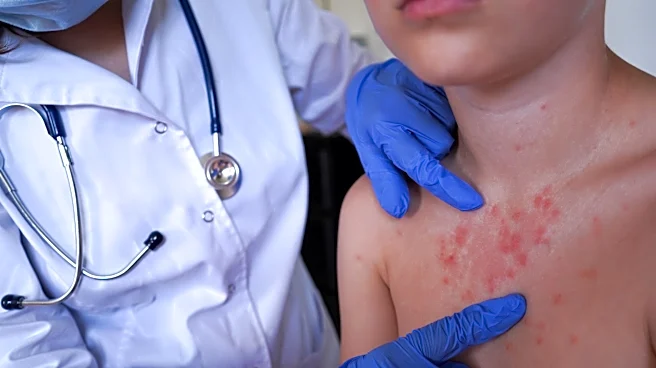
Vazquez's symptoms began with a full body rash, mild headache, increasing leg pain and low-grade fever, his family shared. Then they continued to worsen, eventually losing all mobility in his legs. In the hospital, he also developed abdominal pain, a stiff neck and loss of bladder and bowel control, the donation page added.
"We never imagined that something that began with what seemed like minor symptoms could change Joseph’s life so quickly," his family wrote, urging people to share the fundraiser to "teach families the dangerous symptoms to look out for if ever in a similar position."
West Nile Virus treatment
Since no specific treatment exists for West Nile Virus, most options are supportive measures.
For mild illnesses, the CDC says patients can rest, stay hydrated and take over-the-counter medication for fever, pain and headaches.
For more severe cases, additional support such as close monitoring, breathing devices and specific therapies may be needed.
As with other infectious diseases, people most at risk include older adults (especially over 60), those with weakened immune systems and individuals with chronic underlying medical conditions such as cancer, diabetes or chronic kidney disease.
Preventing West Nile
There are no licensed vaccines or medicines to prevent West Nile Virus in people, so prevention strategies are the best tool. Dr. Jorge Parada, medical adviser for the National Pest Management Association, previously told USA TODAY the following:
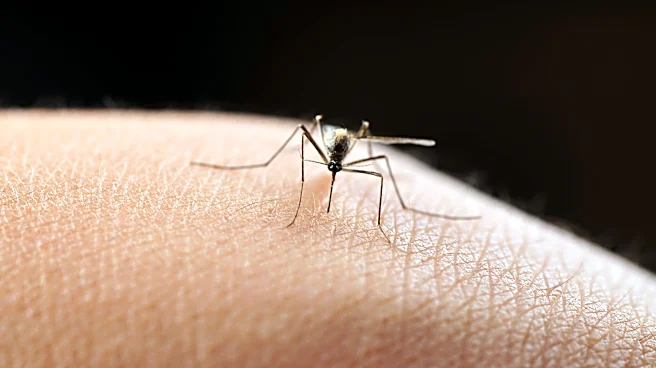
- Use EPA-registered insect repellent. Products containing DEET, picaridin, oil of lemon eucalyptus, para-menthane-diol and IR3535 have all been shown to be effective when used according to label directions.
- Mosquitoes can breed in as little as half an inch of standing water, so remove water around your property. That means regularly emptying water from flowerpots, birdbaths, buckets, tires, toys, pet bowls and other containers. Don't forget to check and clean gutters, which are a commonly overlooked source of standing water.
- If mosquitoes are becoming a persistent problem, contact a qualified pest control professional. They can help identify potential breeding sites and recommend a targeted management plan.
Contributing: Mary Walrath-Holdridge, USA TODAY
This article originally appeared on USA TODAY: Hospitalized teen can't control legs, bladder due to severe West Nile Virus case