



The hottest months of the year are behind us, but that makes now the time to prepare for the dangerous heat outdoor workers will face again next year. Also, for some workers in kitchens, factories and other jobs, indoor heat conditions remain a problem throughout the year.
Across the country, these job sites aren't governed by federal standards to protect workers from hazardous heat.
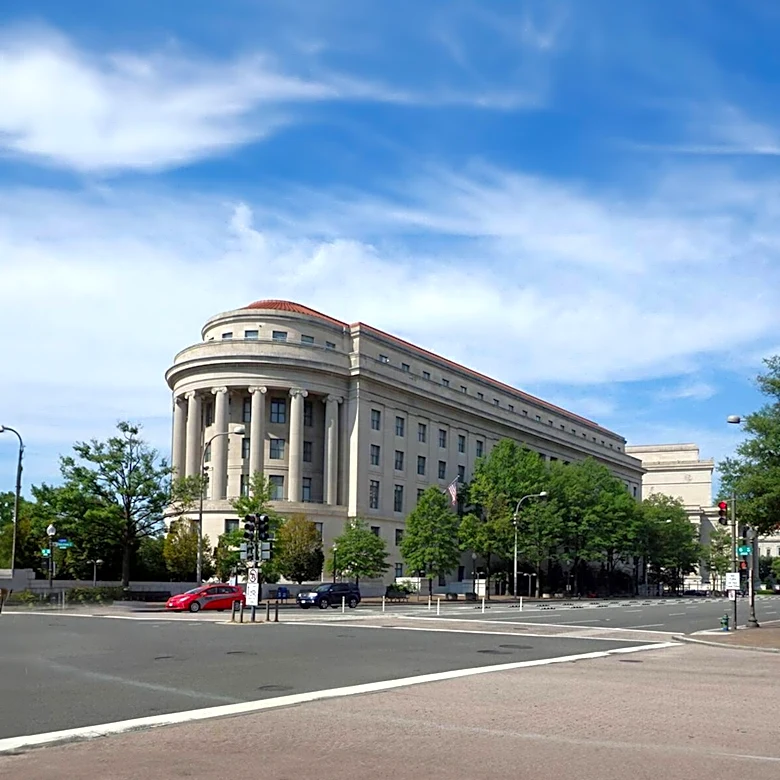
Instead, we seem to be moving in the opposite direction. The U.S. House of Representatives Education and Workforce Committee advanced the Heat Workforce Standards Act, which would prevent the Department of Labor from finalizing, implementing or enforcing the Occupational Safety and Health Administration’s proposed heat standard or any substantially similar standard.
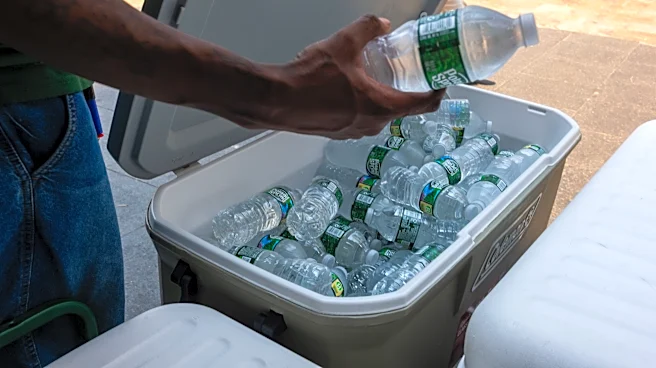
The heat standard OSHA proposed in 2024 would establish basic protections for workers exposed to dangerous heat indoors and outdoors. Beginning at a heat index of 80 degrees Fahrenheit, employers would be required to take steps, including providing cool drinking water and break areas, developing heat safety plans, training workers and helping new or returning workers acclimatize to the heat.
For workers who spend long shifts on their feet in hot kitchens, warehouses or fields, access to water, rest and safe places to cool down can make an enormous difference.
Heat is dangerous, and it makes workers less productive

Karen, a New York City restaurant worker and Laundry Workers Center member, recently told me: "Every summer, when temperatures rise to 80, the air conditioning always fails. We have to work without air, so the counter is always hot. Not just for the weather, but because of the stoves. We are sweating all the time. It is uncomfortable. ... We get headaches. When you are working in pain, the demeanor of people changes, people get upset and uncomfortable, so we are usually in a bad mood interacting with clients.”
After 11 years as a labor organizer in Portland, Oregon, I know what it looks like when employers fail to protect workers in extreme conditions. I have seen workers confront employers firsthand.
In the summer of 2021, workers at Voodoo Doughnut in Old Town Portland faced a difficult proposition. As a record heat wave approached, the company informed workers that it would keep the bakery open despite an ineffective air conditioning unit and growing health and safety concerns.
Employee Samantha Bryce told the news media that workers broke out in hives, showed signs of heat stroke and had nosebleeds. One worker passed out on the floor while employees said managers continued pressuring others to work.
“We would rather walk out on strike," Bryce told The Counter, a food industry trade publication. "We don't want someone getting hurt before the company does something.”
That June 27, workers walked out as Portland reached 112 F. The following day, the city reached a record 116 F.
After the strike, Voodoo fired seven workers who had participated. The National Labor Relations Board later found those firings unlawful and ordered that the workers be reinstated and receive back pay.
Heat isn't just uncomfortable – it can be fatal
Not every worker was as fortunate. The day before the strike, on June 26, Oregon farmworker Sebastian Francisco Perez died while working in extreme heat about 32 miles away in the town of St. Paul.
He had arrived in the United States just months prior, according to family. Oregon workplace safety officials investigated several other potential heat-related workplace deaths during the same historic heat wave.
This isn't just happening in Portland or New York. A recent North Carolina case involved a farmworker left permanently disabled by heat stroke, two years after another worker for the same employer died from heat exposure.
Without a specific federal heat standard, worker protections remain uneven across the country. In Oregon, one of only seven states with heat standards, the rules came after labor unions organized around the issue following the heat wave, with some of those same Voodoo workers testifying in favor of stronger protections.
In some states, the difference is stark. Florida, one of the hottest states in the country, enacted a law in 2024 preventing local governments from requiring private employers to provide heat protections beyond state or federal requirements. At the same time, workers and advocates in other states have spent years organizing for stronger standards.
There is reason for optimism about what workers have already won. I've seen it in the members of our 35-member Food Chain Workers Alliance.
In 2023, Familias Unidas por La Justicia successfully pushed Washington state to strengthen its heat protections, lowering the temperature at which key requirements take effect from 89 F to 80 F. The rules include requiring access to shade and drinking water, as well as paid cool-down breaks.
In 2024, the Warehouse Worker Resource Center celebrated the success of its yearslong campaign as California extended heat protections to indoor workers, including workers in restaurants, warehouses and manufacturing facilities.
More recently, Street Vendor Project partnered with New York City agencies to help connect street vendors and other outdoor workers with cooling resources, as Mayor Zohran Mamdani rolled out an executive order aimed at strengthening heat protections for outdoor workers.
Streamlined federal protection is the best solution
These victories show what workers can accomplish, but they also highlight the limits of protections that vary from state to state and city to city. Workers should not have to organize strikes, wage yearslong campaigns or wait until someone gets sick before basic safeguards are put in place.
The fight over the Heat Workforce Standards Act and workplace heat protections is ultimately about whether workers across the country can count on a basic level of safety when temperatures become dangerous. Access to water, rest, training and a plan for responding to heat illness should not depend on a worker’s ZIP code.
We have a moral obligation to make sure that every worker comes home safely.
With Democrats set to take control of both chambers of Congress in January, I hope we can now imagine what has long seemed impossible. In the name of workers across the nation fighting for dignity in the streets and in the fields, we cannot let their struggle – or this moment – be squandered.
Mark Medina is the founder of the Burgerville Workers Union, and organizer for the Food Chain Workers Alliance.
This article originally appeared on USA TODAY: Snow may be falling, but inside some workplaces heat still kills | Opinion