



Talk to Jewish voters these days, especially those involved in institutional Jewish life, and you'll inevitably hear that they feel politically homeless.
As American politics increasingly accommodates radical views, Jewish voters find themselves stuck in no-man's land. While most Jews still vote Democratic, the party's turn against Israel
and its nomination of far-left democratic socialists in a number of key races has soured many on its commitment to fighting rising antisemitism and protecting the Jewish state's security.At the same time, President Donald Trump's nativist politics and authoritarian impulses – along with popular far-right podcasters like Tucker Carlson, who gave a friendly platform to Holocaust denier Nick Fuentes – make the Republican
Party a tough sell for disenchanted Jewish voters. And Vice President JD Vance's lukewarm support for Israel and his close friendship with Carlson have raised plenty of red flags about the GOP's future, even among Trump-supporting Republicans.
One trend is already clear in these midterm elections: Where Democrats have nominated candidates who won’t affirm Israel’s right to exist as a Jewish state and have aligned themselves with far-left influencers like streamer Hasan Piker, who has said that he’d “vote for Hamas over Israel every single time,” there have been visible defections from the party.
New York City Mayor Zohran Mamdani, for example, won only about a third of the Jewish vote in last year's mayoral race against former Gov. Andrew Cuomo, who ran as an independent, according to exit polling. And even as Mamdani has moderated and walked back some left-wing campaign promises, his deep-seated animosity toward the Jewish state remains a core part of his political identity.
Michigan Senate race has become test case for Jewish voters

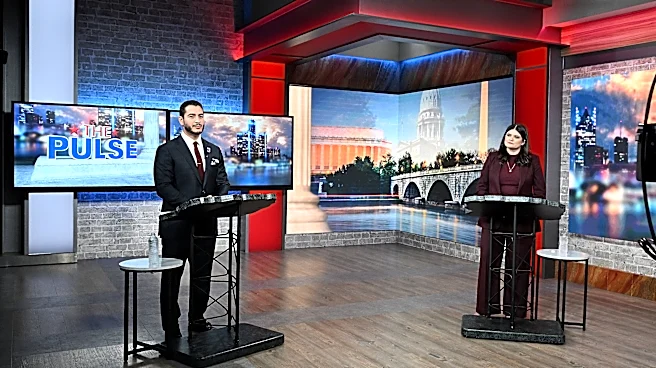
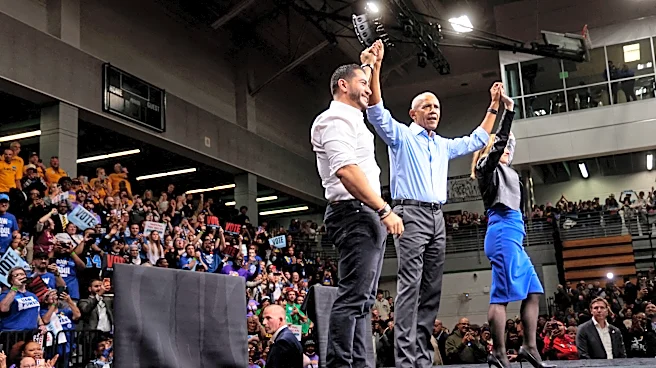
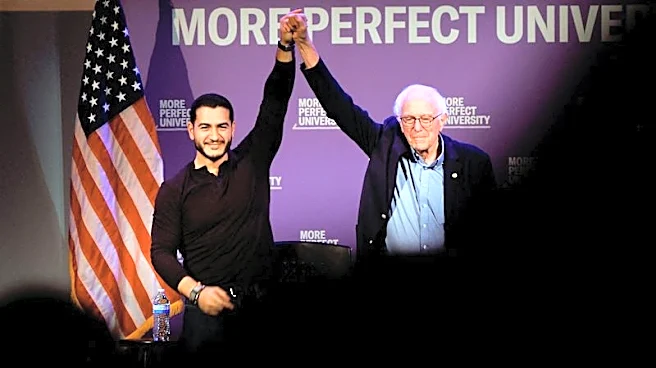
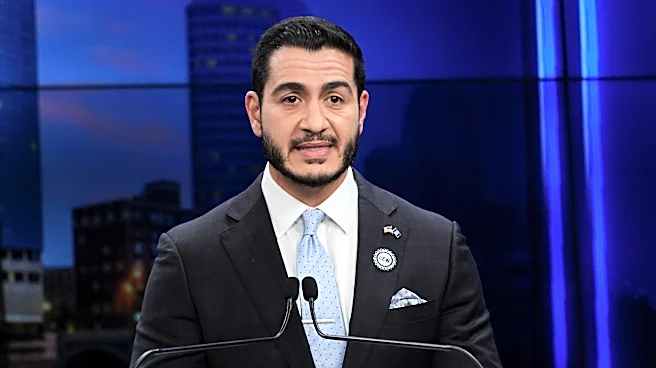
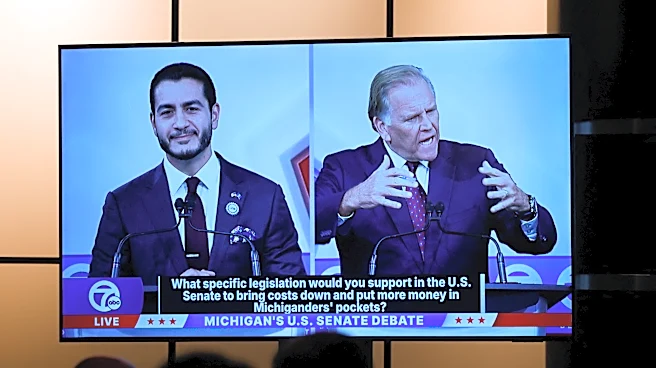
In Michigan's closely watched Senate race, prominent Jewish Democrats have withheld support from Democratic nominee Abdul El-Sayed, who puts Israel, a democratic U.S. ally, on par with Iran's totalitarian, murderous regime.
After a March terrorist attack on a Detroit-area synagogue and its preschool, El-Sayed tried to understand the Lebanese-born attacker's motives, infamously saying, "Hurt people hurt people." El-Sayed apologized to the Jewish community five months later, but those four words remain a painful reminder of how alienated many of the state's Jews have become.
Michigan Attorney General Dana Nessel set off another firestorm when she told fellow Jewish Democrats that they had a "moral imperative to place the needs of the world above even our own self-interest and, yes, even our own survival." Weeks later, she endorsed El-Sayed.
The rift has grown so deep that many leading Jewish Democrats won't back El-Sayed, and some are openly supporting the Republican nominee, former Rep. Mike Rogers, who has made fighting antisemitism and supporting Israel central to his campaign.
An El-Sayed victory – and the influence he'd likely wield over foreign policy in the Senate – would come as anti-Israel sentiment among Democrats is already at historic highs. For many moderate Jewish Democrats who have stayed loyal to the party, that could be the breaking point. His hostility toward Israel is, for them, a bridge too far.
Don't expect a mass exodus to the GOP – yet
That doesn't mean Republicans should expect a dramatic swing of Jewish voters their way, though. As in many other religious communities, political preferences correlate strongly with religious observance.
A clear majority of the most observant Jews, the Orthodox, now align with the Republican Party, while progressive-minded Reform Jews still overwhelmingly back Democrats.
A Jewish Electorate Institute poll conducted in late August and early September found that 71% of Jewish respondents would vote for the Democrat in their congressional race, while just 23% would back the Republican.
Those numbers are virtually unchanged since March.
But among Jews engaged in Jewish life, you can see the shift happening in real time.
A recent Republican Jewish Coalition event for Rogers in Birmingham, Michigan, drew a bipartisan crowd of about 600. It included Jason Turkish, the fiancé of U.S. Rep. Haley Stevens, who narrowly lost the Democratic Senate primary to El-Sayed. Turkish announced Oct. 28 that he's voting for Rogers. Two lifelong Democrats from the Temple Israel community, the synagogue that was attacked, also took the stage to back Rogers.
If the Democratic Party welcomes anti-Israel democratic socialists into its so-called Big Tent, it could push one of its most loyal constituencies to declare independence from the party and support allies in whichever party they can find them.
Even if those voters never become Republicans, that alone would mark a historic shift in American Jewish politics.
Josh Kraushaar is editor in chief of Jewish Insider.
This article originally appeared on USA TODAY: The Democratic Party's 'Big Tent' is losing Jewish voters | Opinion