


More than a month out from the deadline for NFL teams to make swaps, trade winds are already picking up.
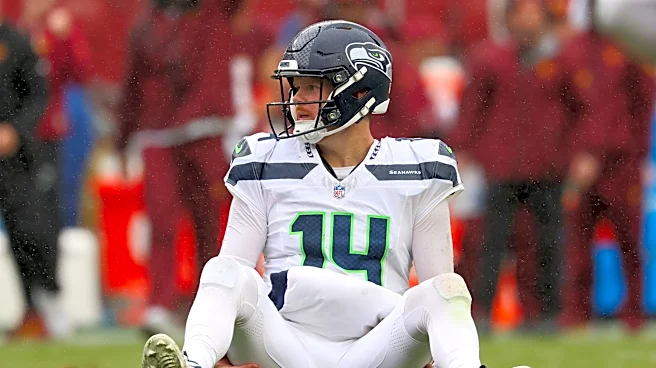
Just two days after the New York Giants struck a deal to acquire quarterback J.J. McCarthy from the Minnesota Vikings
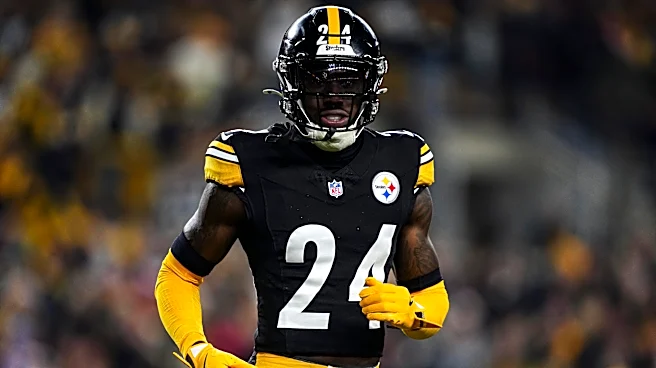
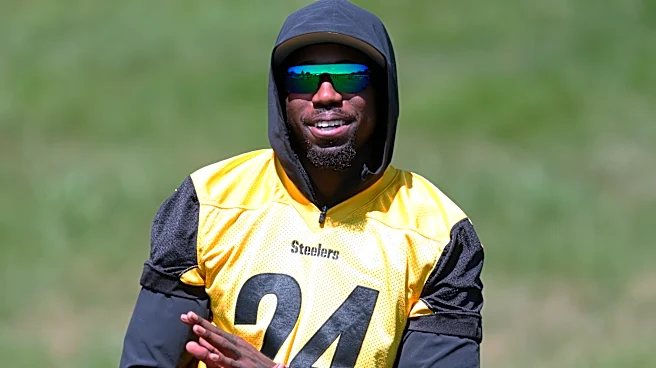
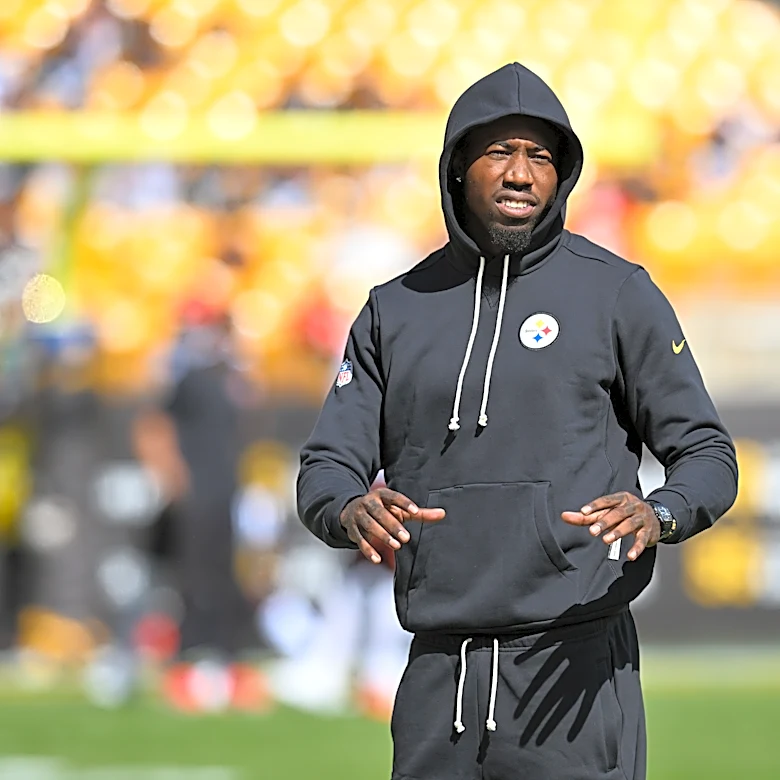
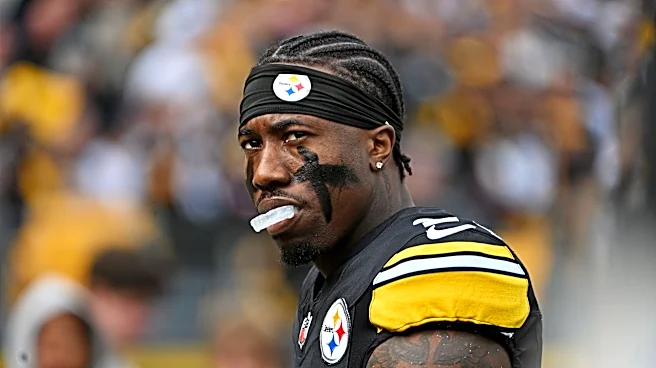
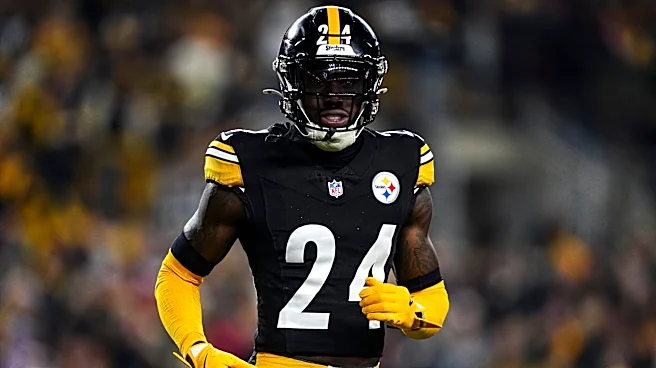
, another splashier − and perhaps more consequential − move materialized. Late on Wednesday, Sept. 30, Tom Pelissero broke the news that the Pittsburgh Steelers were finalizing a deal to send cornerback Joey Porter Jr. to the Dallas Cowboys in exchange for a 2028 second-round pick and a 2027 sixth-round pick.The swap marks a logical conclusion to one of the league's more predictable and extended standoffs. The two sides had established history in orchestrating deals with each other, with Pittsburgh having previously sent wide
receiver George Pickens and offensive tackle Broderick Jones to Dallas.
But which side came out ahead in the latest trade? Here are our grades for both teams:
Cowboys' Joey Porter Jr. trade grade: C-
Asked Tuesday during his weekly radio appearance about his team's interest in orchestrating a trade to boost a faltering defense, Jerry Jones took his usual cryptic tone while suggesting the team was "right on top of it."
Turns out that wasn't just typical Jones bluster.
It's understandable for Jones to feel compelled to do something about this defense. Dallas has already rotated through 12 different defensive backs through the first three weeks while giving up the third-highest EPA per play on passes (+0.34), according to Next Gen Stats. With Cobie Durant and Shavon Revel Jr. dinged up, things were threatening to get away from first-year coordinator Christian Parker as mistakes piled up.
It's a solid bet that, in his new setting, Porter should be able to make his season debut in short order after missing the first three games while a back ailment left him idling on the physically unable to perform list. But he should hardly be considered a cure-all for a unit dealing with a series of interwoven issues.
The case for acquiring Porter is relatively straightforward. He's a reliable entity on the back end for a group lacking one, and he can be a legitimate deterrent when matched on true No. 1 receivers. His presence should leave Parker more comfortable with employing a heavier rate of man coverage, and Dallas can also dial up its blitzing rate again to cover for a pass rush that can't generate sufficient pressure without additional help.
But Porter, who's never been selected to a Pro Bowl, might fall a good bit short of the league's elite tier of cover men even after coming on strong down the stretch in 2025. His limited ball production also means he can't be counted on to generate game-flipping takeaways for a defense that probably needs to depend on them to stay afloat.
The limitations in what he can offer extend beyond his skill set, though. Through three weeks, Dallas has demonstrated that its problems are far-reaching and more than a product of any one person, including Parker. Porter might tighten up this group somewhat, but he shouldn't be expected to transform it. How much can a corner do to cover for a group that can't handle locking down the flats?
And as the last-second loss to the Baltimore Ravens reinforced, the Cowboys still have to answer for a lack of composure on both sides of the ball.
Jones might feel emboldened by the current state of the NFC East, which could allow for a decidedly imperfect group to seize the crown. Even if Porter's acquisition boosts Dallas' odds on that front, does it really position the team to contend with the various powers in the NFC West? Getting back to the postseason probably sounds pretty appealing after a two-year absence, but a mere spot in the playoff field is nothing to mortgage your future over.
The long-term view is a bit trickier for the Cowboys. In an ideal world, an extension would be struck after the season to keep Porter, an impending free agent who's still only 26, in place for the foreseeable future. But after Jones approached negotiations with Pickens apprehensively after the receiver's breakout season, he really might be put off by the state of the cornerback market, which has been reset by the likes of Devon Witherspoon and Christian Gonzalez. Porter shouldn't be expected to clear the bar they set, but it seems clear from his standoff with the Steelers that he's probably in no mood to offer up a discount. Maybe an extension materializes, and the franchise tag looms as a potential safeguard. Still, this is a rather dubious use of resources by Jones after he held so firm in the Micah Parsons blow-up that seemed to color all of his subsequent decisions.
Parting with draft picks might start to take a toll on the Cowboys, who now have just four selections in 2027 and are without a key asset the following year. And while some might assume that an early compensatory pick would fall in Dallas' lap if things don't work out with Porter, that hardly can be taken as a given this far out.
Jones' estimation of how far the Cowboys are from truly competing for a title has always produced a sense of discord. As Dallas starts paying an increasingly hefty bill for that miscalculation, however, things could eventually snowball on the franchise.
Steelers' Joey Porter Jr. trade grade: B
This was bound to be the resolution, right?
Reaching the regular season without an extension represented a crossing of the Rubicon for both Porter and the Steelers, who have long taken a hardline stance in shutting down negotiations during a campaign. Getting a second-round pick − even if it's in 2028 − represents a win for a franchise that appeared to have boxed itself in somewhat in its handling of a key figure on its defense.
It's fair to question Pittsburgh for reaching this point at all. Paying Porter as a top-five player at his position would have entailed approximately a $30 million annual average value. If the Steelers balked at that price tag, they probably would have been better served moving him far earlier and adjusting their plans accordingly.
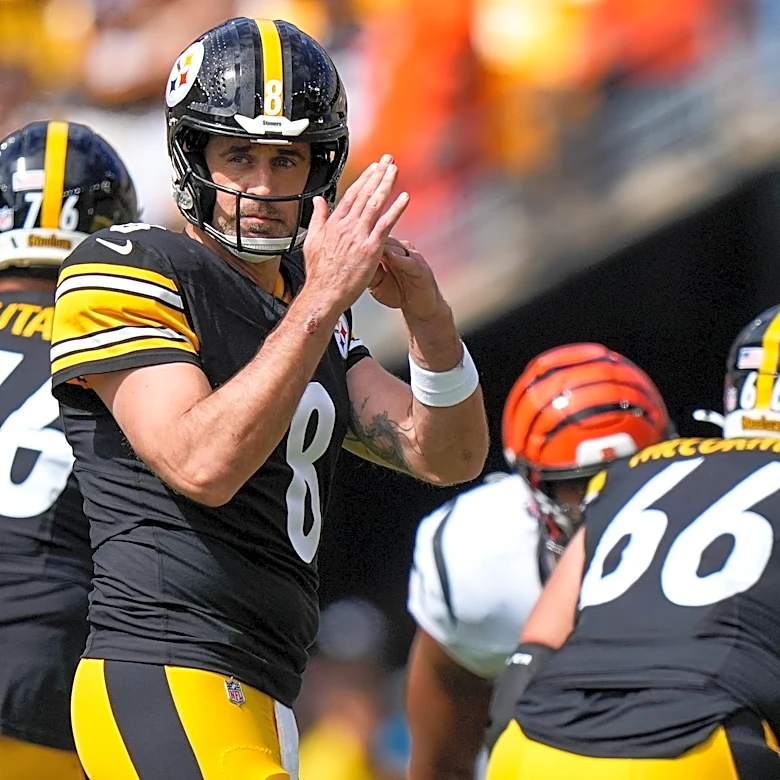
Now, however, Pittsburgh finds itself at something of a crossroads. Rather than opt for a wider reconsideration of where the franchise was headed after Mike Tomlin stepped down, the Steelers opted to forge ahead and eschew all calls for a rebuild, instead rolling with 42-year-old Aaron Rodgers and a roster that ranked as the league's oldest. Six months after finally addressing the troublesome spot opposite Porter with Jamel Dean's signing, the team has blown up another hole in its secondary. Pittsburgh triumphed in its first high-scoring affair against the Cincinnati Bengals, but can it really handle the likes of Ja'Marr Chase and Tee Higgins again, as well as two matchups with a rejuvenated Lamar Jackson?
This was probably a necessary and ultimately wise move for the Steelers. It's just hard to tell whether the guiding force in the decision was shrewdness or stubbornness.
This article originally appeared on USA TODAY: Who won Joey Porter Jr. trade? Grading deal between Cowboys, Steelers