

As wildfires in the Pacific Northwest continue to burn, smoke from the flames is triggering air quality alerts and health warnings in the area. But it likely won't affect air quality in the eastern United States, experts say.
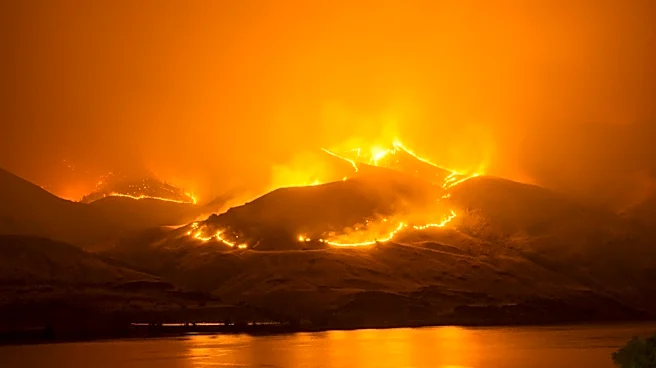
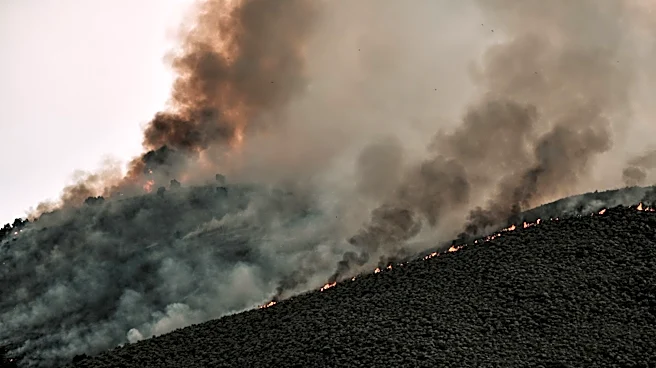
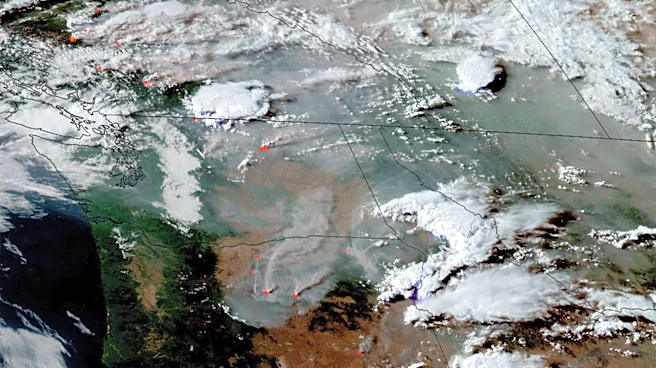
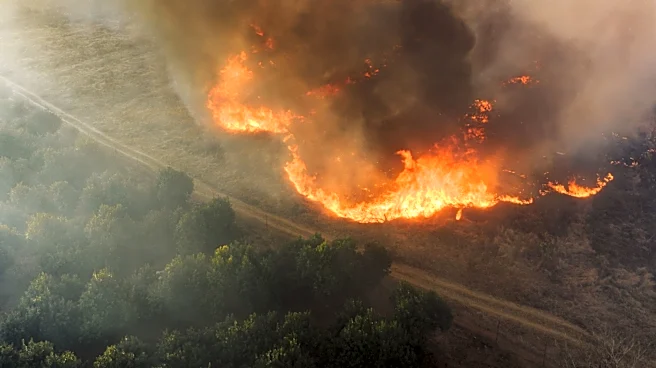
Wildfires are burning primarily in Oregon and Washington. In Oregon, wildfires have set over 1.3 million acres ablaze, according to AccuWeather. The fires have forced thousands to evacuate and burned down six homes.
"Smoke from fires in the Pacific Northwest will continue to move over the area at times this week," the National Weather Service said in a post on X. "Expect hazy skies, some visibility reductions, and areas of low air quality."
Here's what to know.
Where are the wildfires burning?
The
wildfires are burning most notably in Oregon and Washington, Brandon Buckingham, a meteorologist with AccuWeather, told USA TODAY.
While wind has carried smoke from these fires east, it will not impact the Midwest and East Coast as much as smoke from fires that occurred in Canada earlier in July.
"These fires in the Northwest are farther removed, resulting in the smoke being primarily well enough above the surface to not cause poor to hazardous air quality in the eastern United States," Buckingham said.
Where is air quality the worst?
The Northwest faces poor and hazardous air quality conditions because of the fires in the region.
As of 12:30 p.m. ET, the states with the worst air quality in the United States include Oregon and Idaho, according to AirNow. Boise, Idaho, is reporting the worst air quality.
See US air quality map
AQI stands for Air Quality Index, which ranks the air into six different categories: Good (Green), Moderate (Yellow), Unhealthy for Sensitive Groups (Orange), Unhealthy (Red), Very Unhealthy (Purple) and Hazardous (Maroon).
How did the fires start?
The fires were started by lightning strikes brought on by monsoon thunderstorms, according to Buckingham. The strikes hit the area between Saturday, July 22 and Sunday, July 23.
Windy conditions allowed the fires to spread and grow quickly, and the large thunderstorms didn't bring significant rain to the region.
"The wildfire activity across the Northwest and the continuation of smoke and haze flowing downwind of the fires will likely continue right into the month of August, perhaps throughout a majority of the month," Buckingham stated. "It will take extensive firefighting measures and help from Mother Nature in the form of wetting rains to get these fires under control as quickly as possible."
On Thursday, July 30, more storms and another round of lightning strikes are expected in northeastern Oregon, Oregon Public Broadcasting reported.

See US wildfire and smoke map
Who is most impacted by poor air quality?
The following groups should be cautious and try to avoid going outside and breathing wildfire smoke:
- Children
- People who are pregnant
- People with lung diseases, such as asthma and COPD
- Anyone with heart disease, diabetes or chronic kidney disease
Side effects of inhaling wildfire smoke
Particulate matter, a type of air pollutant made of small particles of solids or liquids that are suspended in the air, is one of the main components of wildfire smoke, according to the National Weather Service. The particles are smaller than a strand of human hair and can enter one's respiratory system.
Wildfire smoke can irritate the eyes, nose and throat and cause the following symptoms, according to the Centers for Disease Control and Prevention:
- Fatigue
- Coughing
- Wheezing
- Chest tightness
- Shortness of breath
- Dizziness
Some of the particles in wildfire smoke are so tiny they can easily dive deep into the lungs. They can damage lung function and pass into the bloodstream and travel to other organs, According to Yale Medicine.
The following is linked to exposure to these particles:
- Heart attack
- Stroke
- Lung cancer
- Decline in cognitive function
Julia Gomez is a Trending reporter for USA TODAY and covers invasive species, space phenomena, scientific studies, natural disasters and trending news. Connect with her on LinkedIn, X, Instagram, and TikTok: @juliamariegz, or email her at jgomez@gannett.com.
This article originally appeared on USA TODAY: Wildfires in Oregon and Washington impact air quality. See where