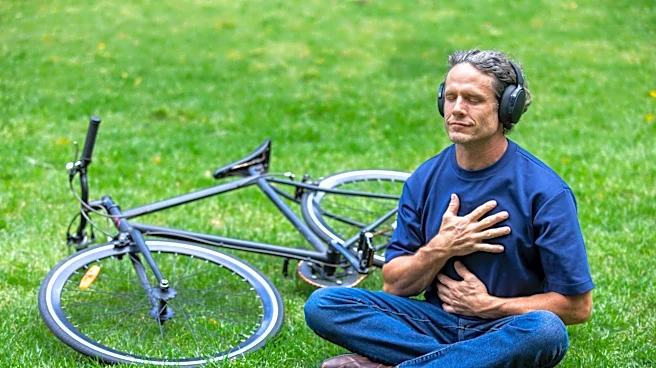








When you finally slow down amid the hustle of modern life and feel your emotions – something that happens during breathwork – you might start to cry. This can be a perplexing experience for someone new to breathwork, or someone thinking it might make them feel better.
Sometimes breathwork can trigger an emotional release, like feelings of sadness or even tears, according to Cleveland Clinic. This can be a common outcome of holotropic breathwork, where participants use rapid, controlled breathing to aid in mental health conditions like depression, anxiety and chronic stress.
But these aren’t always bad tears. Instead, they could mean breathwork is accomplishing just what you hoped.
What causes tears during breathwork?
Breathwork is a term for a stress management technique that channels
and focuses on breath to soothe the body and mind, Cleveland Clinic says. It can help you to calm down and relax your fight-or-flight mode.
“It can allow someone to reach another level in their body. By slowing down and paying attention to your breath, you have less to think about. You may feel emotions that you were holding at a background level become more apparent,” says Sanam Hafeez, NYC neuropsychologist and director of Comprehend the Mind in Forest Hills, New York. “Some may cry from the feeling as well, whether it's from happiness or sadness. It can also be from your breathwork itself. You may not know why you are crying.”
Certain types of breathing may be more likely to trigger tears. Slowing your breathing can open you up to emotions you didn’t realize. And “when your carbon dioxide levels change from breathing faster, it can also make you tingle, feel faint or feel unreal,” she adds.
What to do if you start crying during breathwork
Some people might see tears as a natural part of the experience and let it flow, continuing on with their breathwork exercise. Others might be overwhelmed with emotions and take a break. There’s no wrong response, but don’t feel you have to figure out why you are crying right then.
Conversely, don’t stress if you aren’t crying during breathwork; it doesn’t mean you aren’t releasing emotions or making an impact on your mental health. “Crying doesn't always mean you are letting go of something you've been suppressing,” Hafeez says.
Overall, remember you can stop breathwork anytime. “If they feel dizzy, numb or anxious and uncomfortable within their body, they should stop doing the exercise," Hafeez added. "They can always let their teacher know if they are in a class situation. They can take some time afterward to sit in silence and think about what happened if they choose to.”
This article originally appeared on USA TODAY: Is crying during breathwork normal?