







Buying a home is a huge milestone people save up most of their lives for, but it's very different from owning a home, according to a survey.
Nearly two in three homebuyers said homeownership has been more expensive than expected, according to business software Jobber's survey of 800 adults who purchased a home in the last two years. Of those, only 44% budgeted for ongoing maintenance, the data showed.
Buyers are so focused on homeownership that most budget for the purchase, not the full cost of ownership which can cause emotional and financial stress, the survey showed. More than half said homeownership has been more stressful than expected, 36% have lost sleep over repair or cost concerns, and 34% have even questioned their decision to buy, the survey said.
"For many homebuyers, the biggest financial surprises came from the cost of maintaining their home," Jobber's report said. "Whether it’s a leaking pipe, a failing HVAC system, or an urgent repair that can’t be delayed, unexpected costs often require immediate decisions and can quickly strain household budgets."
What does "move-in ready" really mean?
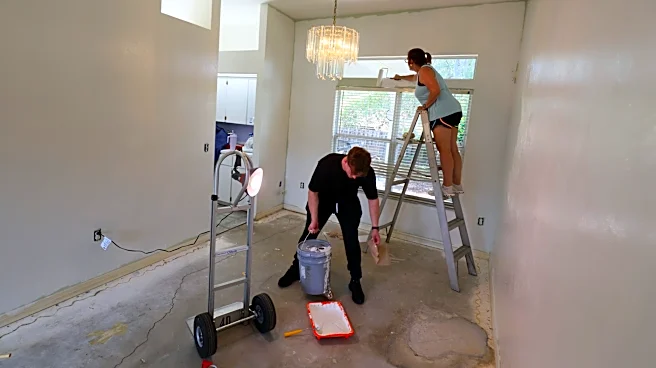
Most homebuyers expect eventual maintenance and repairs, but many are caught off guard when they're needed within the first two years, Jobber said.
While 86% of homeowners described their home as move-in ready at closing, 58% uncovered unexpected repairs after moving in, Jobber data showed.
And those repairs weren't cheap. Nearly three of four buyers say they spent upwards of $10,000 on unexpected repairs or maintenance within the first two years.
Ownership costs aren't just repairs and maintenance
Beyond repairs and maintenance, homeowners can also be stung by high insurance costs and property taxes, experts said. Home insurance premiums have increased 46% since 2021, including a 12% rise in 2025, according to insurance comparison marketplace Insurify’s home insurance report.
"Insurance has become an increasingly significant piece of the puzzle in many parts of the country as premiums continue to rise," comparison site LendingTree said in a report. It attributes the jump in insurance rates to more adverse weather events and inflation raising the costs of building materials, labor and home repairs.
Home insurance makes up 8.5%, or about $200, of the typical $2,354 monthly housing costs for homeowners with a mortgage nationwide, according to a LendingTree analysis.
In 20 states, insurance rises to 10% or more of monthly housing costs, the survey showed. Nebraska leads with home insurance swallowing nearly 20% of housing costs, followed by Oklahoma at 17.6% and Texas at 14.4%.
“Nebraska, Oklahoma and Texas all have severe wind and hail risks, and Texas homeowners face additional threats from hurricanes and even wildfires, depending on their location,” said Rob Bhatt, LendingTree insurance analyst and licensed insurance agent. “Insurance companies in these states have priced the potential costs of these types of disasters into their rates.”
But not all rising insurance costs are tied to climate risks. State insurance regulators can significantly influence whether and when policyholders see that risk reflected in their premiums, said Julia Taliesin, economic analyst and a licensed insurance agent at Insurify.
"Insurance affordability has become a kitchen-table issue. Inflation and climate risk have made it a key cost consideration, sometimes determining whether someone can afford a home in the area where they want to buy," she said.
Property taxes can be taxing, too
More than three of four homeowners said their property taxes rose more than what they budgeted for, and 64% said they were shocked by the size of the bill according to property tax consulting service Ownwell's survey of 2,500 homeowners fielded in March.
In 2024, property tax costs rose across every major metro from the prior year, LendingTree said after analyzing the latest government data. Homeowners paid a median of $3,119 annually in property taxes, or $260 a month and up 5.1%, the analysis showed.
“When considering the costs of homeownership, too many people take too narrow a view,” Matt Schulz, LendingTree chief consumer finance analyst said. “They think about the home price, interest rates and closing costs, but they don’t always consider other recurring costs over the long run, including property taxes, homeowners association (HOA) fees and insurance. If you’re not considering all these costs and more when thinking about how much house you can afford, you’re doing yourself a disservice. These costs matter, and you ignore them at your peril.”
What should homebuyers do?
Additionally, many eager buyers, especially young ones, enter homeownership after making significant compromises that can hurt them. According to Jobber, 93% of Gen Z buyers made concessions to buy the home they wanted, including 10% who waived contingencies, or what might be considered legal escape clauses like inspection, appraisal and financing protections. Paying for an inspection that can uncover issues can be worth the money, the report said.
Know that property taxes will probably rise after you purchase a home. Property taxes are calculated by multiplying your home's assessed value, based on what your home will sell for, and the local tax rate. Assuming you purchased the home for more than what the previous owners paid years ago, your home will likely be reassessed higher and that will push up the property tax.
Insurance premiums also are trending up, but insurance commissioners manage rate-change requests from insurers and the overall stability of the state’s insurance market. That could give voters a say, Taliesin noted.
"Insurance commissioners are powerful public officials that consumers rarely know about," she said.
In 11 states, voters choose a commissioner and in 39, the governor appoints one. This year, four states have insurance commissioner seats on the Nov. 3 ballot: California, Georgia, Kansas, and Oklahoma – all of which are facing rising insurance costs, Taliesin said. And 36 states with appointed commissioners are holding gubernatorial elections, including Arizona, Iowa, Michigan, Nevada, and Wisconsin, where the party could flip, according to Cook Political Report forecasts.
"The 2026 midterm elections could materially affect home insurance premiums for millions of Americans," Taliesin said.
Medora Lee is a money, markets and personal finance reporter at USA TODAY. You can reach her at mjlee@usatoday.com and subscribe to our free Daily Money newsletter for personal finance tips and business news every Monday through Friday morning.
This article originally appeared on USA TODAY: Affording a home's more than a mortgage. How dream homes can drain you