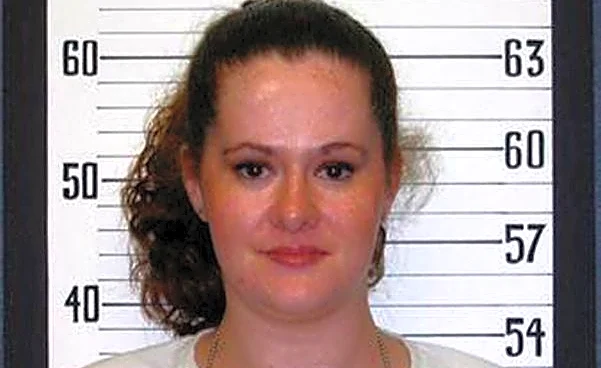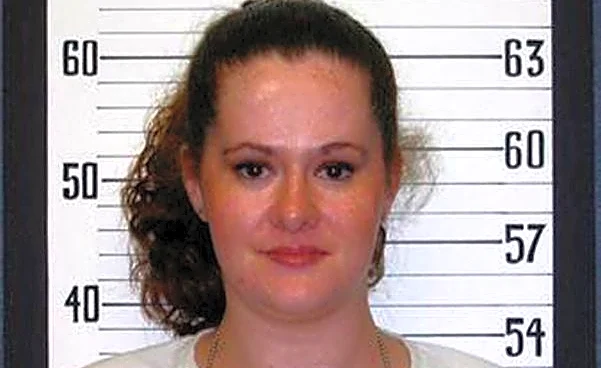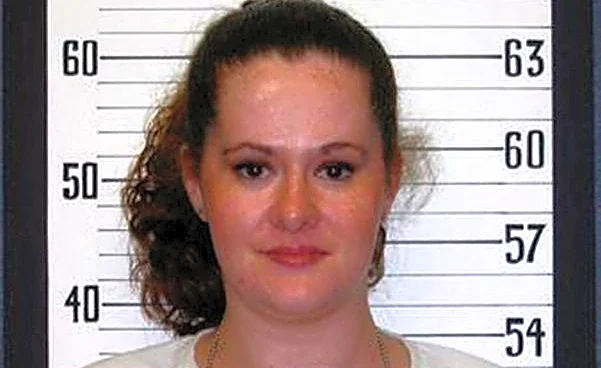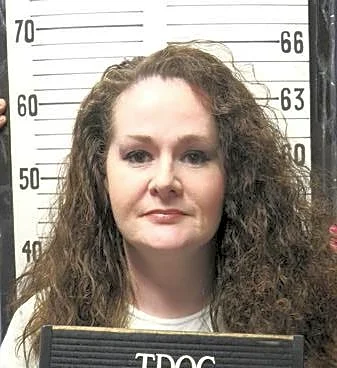







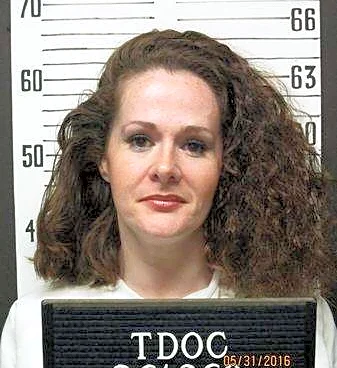
Christa Pike's planned execution on Sept. 30 was already brimming with controversy.
Dozens of women's advocacy organizations as well as her attorneys had spent weeks arguing that her traumatic childhood − marked by repeated rapes and sexual abuse − meant her planned death would cause additional psychological harm and trauma. Pike's execution was planned via lethal injection, during which she'd be strapped down and a male doctor would inject her, possibly near her groin.
The state of Tennessee maintained that her death sentence represented justice and that Pike must be held accountable for the prolonged and brutal murder of her romantic rival, 19-year-old Colleen Slemmer.
But the execution quickly went sideways.
Pike's attorneys reported she was
still breathing after receiving two doses of pentobarbital and experiencing "unnecessary agony." They said the prolonged nature of the execution attempt caused Pike "superadded physical and mental suffering."
What is pentobarbital?
Pentobarbital is a sedative that typically treats seizures by calming overactive nerves in the body, according to Cleveland Clinic. It's administered as an injection into a muscle or vein in a hospital or clinic setting.
The drug's common brand name is Nembutal.
The drug is a short-acting barbiturate − a central nervous system depressant − historically used for insomnia and as a pre-anesthetic before surgery, in addition to emergency anticonvulsant use, according to the American Addiction Centers' Laguna Treatment Center. At low doses, the drug helps to initiate sleep. At higher doses, it can treat issues with anxiety due to its hypnotic effect.
It's a Schedule II controlled substance, according to the U.S. Drug Enforcement Administration. The drug affects a person's brain, respiratory system, cardiovascular system, consciousness and motor functioning.
Overdoses can be fatal due to the drug's ability to shut down areas of the brain that control breathing and heart rate, according to the Laguna Treatment Center. Individuals can fall into a coma and die. Pentobarbital overdose survivors may develop severe brain damage. Pentobarbital is a commonly used drug for legal execution, according to the Death Penalty Information Center.
What went wrong during Christa Pike's attempted execution?
It's unclear what exactly went wrong during Pike's attempted execution. Tennessee Gov. Bill Lee has ordered an investigation into the incident and postponed the state's one remaining execution scheduled for this year.
Pike's attorneys provided the following statement to USA TODAY:
"Tonight the State of Tennessee once again failed to carry out a lawful execution. We take no pleasure in being right, but the concerns raised by Ms. Pike proved to be true: difficult vein access, blown veins, degraded pentobarbital, no emergency medical care available when things inevitably go wrong, all under a protocol that remains veiled in secrecy."

In the Tennessee Department of Correction’s lethal injection protocol, prison officials prepare one set of syringes for the lethal dose but have enough of the deadly drug on standby to build a second set of syringes if needed. Each set is made up of four syringes: one of sterile saline solution, two of 50 milliliters of pentobarbital and another of saline, according to the protocol.
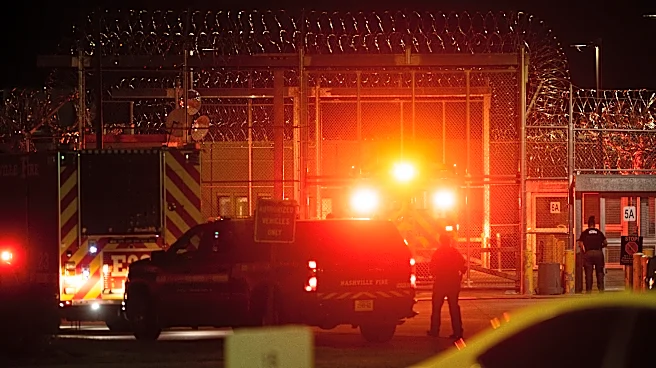
According to court records, Pike received two syringes filled with lethal injection chemicals but remained alive. The drugs did not stop her heart, her attorneys said. After some time, execution witnesses were asked to leave and Pike was eventually taken to a hospital in an ambulance to get medical care.
As of early on Oct. 1, Pike's condition was unclear.
Contributing: Amanda Lee Myers and Kirsten Fiscus, USA TODAY NETWORK.
This article originally appeared on USA TODAY: What is pentobarbital and why didn't it work in the Christa Pike execution?