






Google, TikTok and Meta filed a federal lawsuit earlier this month against California in an attempt to block a new state law that limits how companies can implement addictive features targeting children under 16 on social media platforms.
The law, Assembly Bill 1709, was authored by Assemblymember Josh Lowenthal, D-Long Beach, and creates new safety regulations for social media, specifically prohibiting social media platforms from using video autoplay, infinite scroll, notifications and recommendation algorithms on users under the age of 16. The law also requires companies to delete accounts and data connected to users under 16.
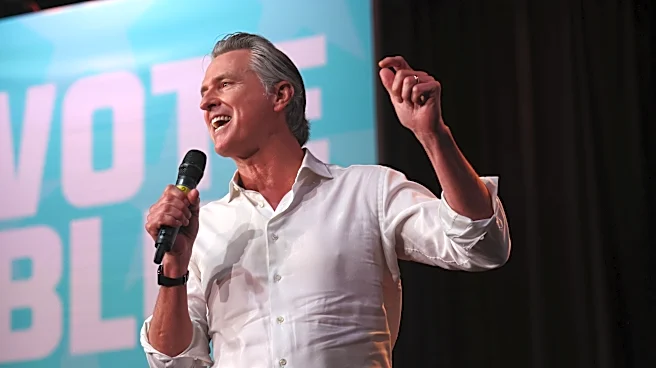
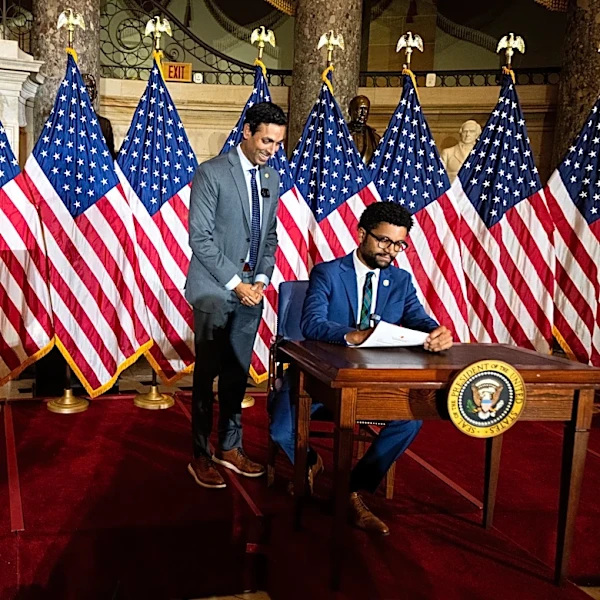
Gov. Gavin Newsom signed the bill in September, and it is expected to take effect on Jan. 1, 2027.

However, on Nov. 4,
the three companies filed separate lawsuits against California Attorney General Rob Bonta, arguing that the new law violates their First Amendment rights, noting that the law affects their "editorial judgments of those who curate, display, and disseminate speech."
Additionally, the companies argued that the law violates Section 230 of the 1996 Communications Decency Act, which provides a federal shield for tech companies from being sued for third-party material posted on their websites.
"The State cannot, consistent with the First Amendment, override Meta’s editorial judgments about how to curate and display these billions of posts of third-party speech," Meta's complaint reads.
"That the Act implements both bans by a direct prohibition on providing the features to minors, and by requiring Meta to delete minors’ accounts if the features are not banned, makes no constitutional difference."
TikTok argues in its complaint that California is overstepping its authority by imposing this ban, even as the company has created systems within its apps to protect teens' safety and their privacy by offering parents a method to control their teen's platform.
"TikTok shares the desire to protect teens on its platform, but the extreme way the Legislature has gone about it in the Act is not consistent with the First Amendment," TikTok's complaint reads.
"By prohibiting TikTok from delivering to under-sixteen users the curated compilations of videos it creates for them, and by dictating how TikTok may present those videos, the Act runs headlong into the First Amendment."
The California Attorney General's office said Rob Bonta was aware of the lawsuits and would review each case.
Over the last year, Google, TikTok and Meta have faced a significant level of public outrage regarding their roles in the growing rates of depression, anxiety and more among kids and teenagers.
Earlier this year, Meta Platforms reached a $16.68 billion settlement to resolve claims brought by states claiming that the company designed Facebook and Instagram to addict children, misled consumers about their safety, and improperly collected personal data of children who used its platforms.
The claims alleged that Meta and other social media companies knowingly designed their platforms to have features that are addictive to children and teens, which ultimately fueled the nationwide youth mental health crisis.
Meta denied the allegations, saying it had made changes to its platforms to protect children.
Notably, the settlement came after Meta lost in a landmark lawsuit brought by New Mexico, in which a jury found the company had misled consumers about the safety of its platforms.
Additionally, TikTok and YouTube, which is owned by Google, settled similar youth mental health and privacy cases earlier this year.
In June, YouTube settled a case with a minor, who claimed that the platform caused damage to his mental health. The company settled before a second California trial, regarding claims that the platform has fueled a youth mental health crisis.
In August, TikTok agreed to a $400-million settlementto resolve the Justice Department's allegations that the short-video app failed to protect children's privacy and illegally collected their information.
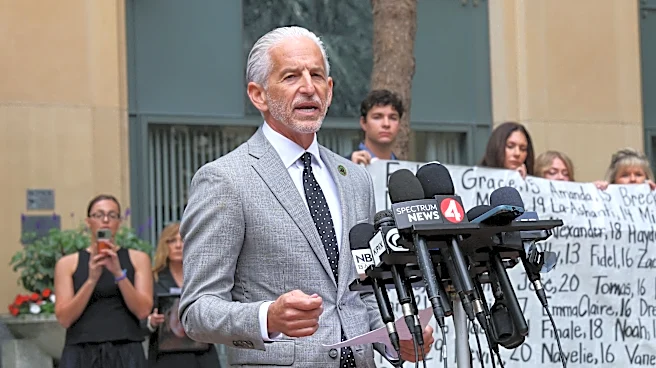
Regardless, Lowenthal criticized the companies for filing their lawsuit, arguing that this reinforces the need to create "proper regulatory frameworks for AI, social media, and Big Tech."
"It's remarkable how far the platforms will go to halt our ability to simply keep our children safe," Lowenthal said. "We are not going to stop until technology is working for us and not the other way around."
This article originally appeared on USA TODAY: Google, TikTok and Meta sue California over new social media law