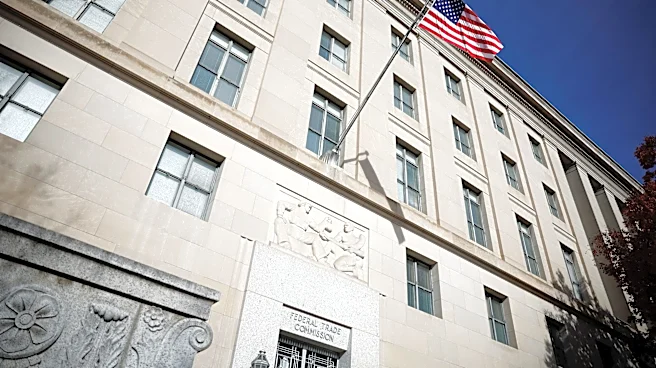




Seven Senate Democrats sent a letter to the Federal Trade Commission on Nov. 11 asking it to investigate whether large corporations that received billions of dollars in tariff refunds violated federal law by not passing them on to their customers.
After the Supreme Court struck down tariffs President Donald Trump imposed last year under the International Emergency Economic Powers Act, the U.S. Court of International Trade in March ordered Customs and Border Patrol to issue refunds to importers totaling about $166 billion.
Whether consumers should share in those refunds soon became a point of contention. Importers paid the tariffs directly, but independent analyses show some passed along at least part of the increased cost through higher prices.
Court filings show the government had refunded more than $100 billion by August. While some companies pledged to reimburse their customers using some of that money, of that total, the government sent zero dollars directly to consumers.
The FTC says it has a broad mandate to "protect consumers from fraud and deception in the marketplace." And the Federal Trade Commission Act empowers the commission to prevent "unfair or deceptive acts or practices in or affecting commerce."
"By increasing consumer prices, ostensibly due to tariff costs, and then refusing to provide refunds to consumers when they are later reimbursed for those tariff costs, corporations may be in violation of the FTC Act," lawmakers wrote in the letter first shared exclusively with USA TODAY.
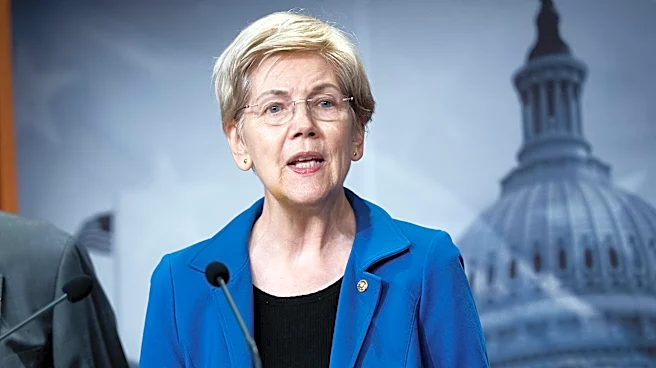
The seven senators who signed the letter were Elizabeth Warren and Ed Markey of Massachusetts, Sheldon Whitehouse of Rhode Island, Tammy Baldwin of Wisconsin, Richard Blumenthal of Connecticut, Elissa Slotkin of Michigan, and Cory Booker of New Jersey.

Who paid the tariffs?
After Trump imposed tariffs on most of the nation's trading partners in 2025, U.S.-based importers were on the hook for increased costs. Some shouldered them, while others passed them on to retailers who then passed them on to consumers. Some companies did a mix of both.
The extent to which importers passed tariff costs on to their customers varied across companies. Some altered their supply chains. while others laid off employees to afford higher import taxes, but some saw price hikes as unavoidable.
"We will do our best to keep our prices as low as possible," Doug McMillon, then Walmart's CEO, said during a May 2025 earnings call, but added that given the "magnitude" of the tariffs, "we aren't able to absorb all the pressure given the reality of narrow retail margins."

The nonpartisan Tax Foundation estimates tariffs Trump imposed cost households an average of $1,000 in 2025. It told USA TODAY that about $700 of that amount stemmed from tariffs the Supreme Court struck down.
The Trump administration has since levied similar import taxes using different authorities. The foundation estimates tariffs will cost households an average of $820 this year.
Who was refunded?
Importers of record that paid IEEPA tariffs and submitted successful refund claims were generally eligible to receive those funds back. But just like they responded to tariffs differently, companies' plans on what to do with their refunds vary.
Among some of the largest payouts was approximately $2.19 billion sent to Apple. In May, Apple's then-CEO Tim Cook pledged to "reinvest any amount we receive back into U.S. innovation and advanced manufacturing."
On earnings calls, the company's executives have said Apple largely absorbed tariff costs to avoid sudden price hikes for customers. Nevertheless, it faces a proposed class-action lawsuit alleging customers were overcharged due to tariff-related pricing decisions.
Other companies that passed on increased tariff costs, like FedEx and UPS, have already begun reimbursing their customers through online portals. Meanwhile, Walmart and Costco have promised to use tariff refunds to lower prices and deliver better value for customers.
To Democratic senators who signed the letter to the FTC, including Warren who is expected to become the Senate Banking Committee's chair next year after Democrats won a majority in the chamber Nov. 3, companies lacking a plan to provide direct refunds to consumers is "alarming."
"It is important that the FTC establish a precedent here that will prevent giant corporations from trying to rip off consumers on tariff-related matters," they wrote.
Reach economy reporter Rachel Barber at rbarber@usatoday.com. Follow her on X @rachelbarber_ and on LinkedIn.
This article originally appeared on USA TODAY: FTC urged to probe companies not sharing tariff refunds with consumers