



Democrats are projected to win back control of the U.S. House, according to projections from multiple news outlets, having successfully harnessed voters’ frustrations over high costs to win a majority in the lower chamber and gain leverage against President Donald Trump.
Democrats have said they will fight to end the Trump administration's tariffs and undo work requirements and cuts to Medicaid passed in Republicans' 2025 tax and spending overhaul.
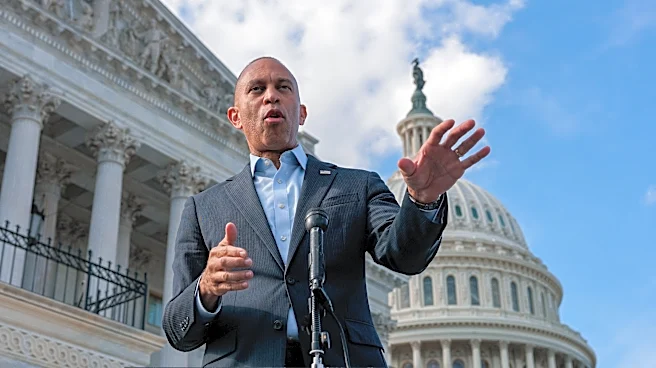
"A Democratic majority is going to fight to make your life more affordable," Democratic Minority Leader Hakeem Jeffries, who is expected to be the next speaker of the House, said at an October event.
The results are a blow to the president as he enters his final two years in office. Democrats will soon
be able to block Republicans’ legislative agenda and subject the president and his Cabinet to increased oversight.
Some Democrats have already signalled they plan to aggressively investigate Defense Secretary Pete Hegseth and Health Secretary Robert F. Kennedy Jr, while Trump has predicted that Democrats will impeach him if they win control of Congress.
How the Democrats won
While Democrats had the president’s poor approval ratings on their side, Republicans entered the cycle with key structural advantages.
There were few true toss-up districts on the map, forcing Democrats to reach deep into Republican territory to contest seats that voted for Trump by double-digit margins. MAGA Inc., a pro-Trump super PAC, had a $400 million war chest that it split between House and Senate races.
As the GOP’s midterm worries grew, Texas Republicans redrew their congressional maps in mid-2025 at Trump's request to create an additional five seats they believed would favor their party. The move sparked a multi-state redistricting battle between Democrats and Republicans that spread through more than a dozen states including California, North Carolina, Tennessee, and Florida. The net result was expected to give Republicans a few more congressional seats.
Those advantages, however, weren’t enough to counter growing discontent with the high cost of living, especially gasoline prices that have spiked since the United States and Israel launched a war against Iran.
In 2026, the battlefield was concentrated in districts Trump won, sometimes by double digits, in 2024. To win those seats, they recruited farmers, ranchers, military veterans and former federal prosecutors.

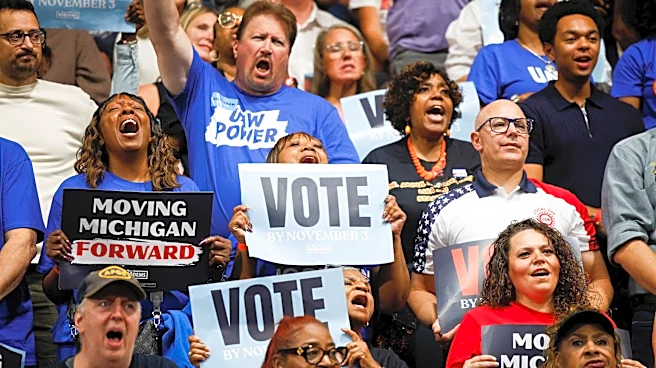
Democrats hammered Republicans over the state of the economy, linking challengers and vulnerable incumbents to unpopular Trump administration policies such as the Iran war, tariffs and the Trump's feud with Canada. They campaigned outside of gas stations to highlight the high prices.
Democratic candidates also campaigned against what they described as a culture of corruption in Trump's administration, pointing to the various ways Trump and his relatives have benefited financially from entities and moguls with business before the federal government.
Democrats also navigated their own internal battles between incumbents and younger, more progressive candidates who won a handful of primary challenges. While those fights, which took place almost entirely in Democratic strongholds, didn’t determine control of the House, they will shape the party’s agenda in January. Progressives have called on party leaders to make gains on passing legislation such as Medicare for All and restricting aid to Israel.
This article originally appeared on USA TODAY: Democrats win control of US House, gaining leverage against President Trump