




Federal drug regulators said the makers of popular GLP-1 drugs such as Ozempic and Wegovy must warn consumers the medications carry a rare risk of vision loss.
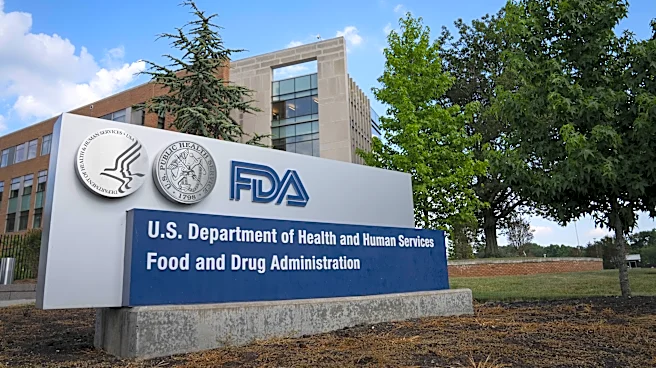
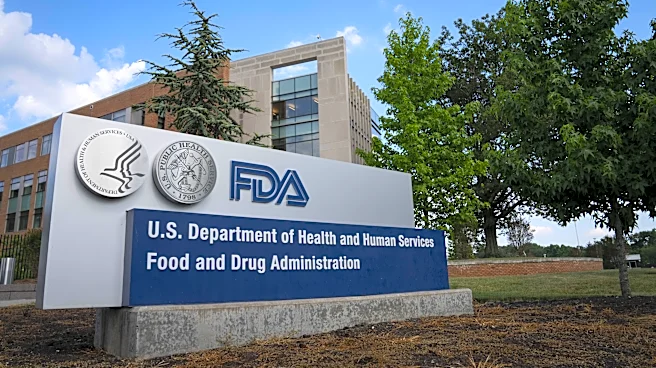
The Food and Drug Administration on Nov. 9 said it will require manufacturers of GLP-1 drugs prescribed for conditions such as obesity and Type 2 diabetes to add warning labels about the potential risk of non-arteritic anterior ischemic optic neuropathy, or NAION.
The FDA said the rare condition can lead to decreased vision or permanent vision loss with use of the popular medications. The condition is caused by decreased blood flow to the front part of the optic nerve, but the underlying cause is not completely understood, the FDA said.
Makers of one dozen GLP-1 drugs approved since 2005
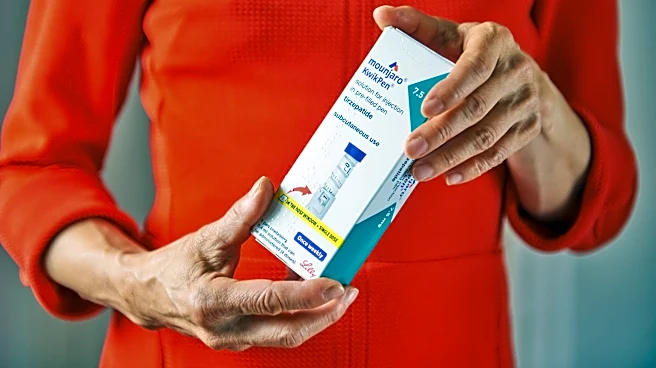
must add language to the warnings and precautions section of the medication labeling about the potential increased risk of NAION associated with use of these medications. Those medications include blockbusters such as Eli Lilly's Mounjaro and Zepbound and Novo Nordisk's Ozempic and Wegovy.
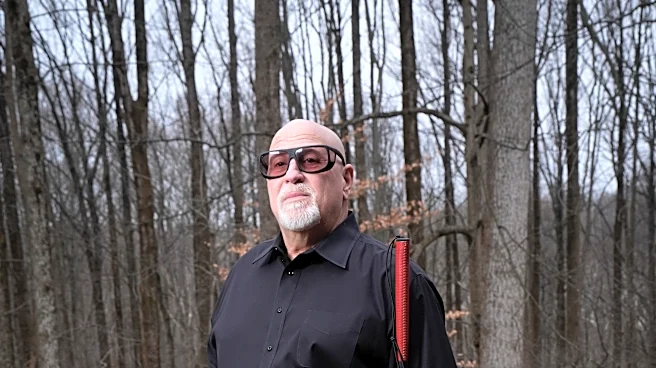
Dozens of lawsuits have been filed in state and federal courts against GLP-1 makers Lilly and Novo by consumers who allege the popular medications have permanently damaging their eyesight.

The FDA said it has scrutinized clinical trial data, animal data and post-marketing data, including observational studies and case reports.
The regulatory agency said its detailed analysis of clinical trials found of 15 probable NAION cases, 10 were in patients treated with GLP-1s and five in patients who received a placebo. The FDA did not find any cases in patients who received other types of glucose-lowering drugs.
The FDA said the review showed a NAION rate of 6.4 per 100,000 patients treated with a GLP-1 compared to 3.8 per 100,000 in comparison groups.
Based on the agency's review of reports of cases involving FDA-approved GLP-1 medications, the FDA concluded "there is a potential increased risk of rare NAION events in patients" taking GLP-1 medications.
Risk factors for NAION could also include smoking, diabetes, high blood pressure, sleep apnea, anemia and kidney disease, the FDA said.
Last year, the European Medicines Agency's safety committee said NAION may affect up to 1 in 10,000 people taking semaglutide, the active ingredient in Wegovy and Ozempic as well as in Novo's other diabetes drug Rybelsus, for at least one year, Reuters reported.
Novo spokesperson Liz Skrbkova said the drugmaker believes the data doesn't "establish a cause-and-effect relationship and we remain confident in the benefit-risk profile of our GLP-1 medicines."
She added Novo will continue to "monitor the safety of our medicines, review new research and work with health authorities around the world."
In a statement, Lilly noted the FDA warning applies to all GLP-1 drugs and added the company is "carefully evaluating the update and will respond to the FDA promptly."
This article originally appeared on USA TODAY: FDA says popular GLP-1 drugs linked to rare risk of vision loss, blindness