






A new warning label has been placed on GLP-1 drugs sold in the United States after a spate of lawsuits and studies said the medications may cause some patients to go blind.
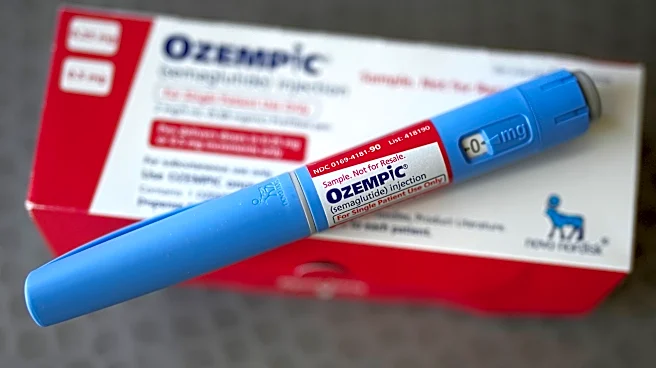
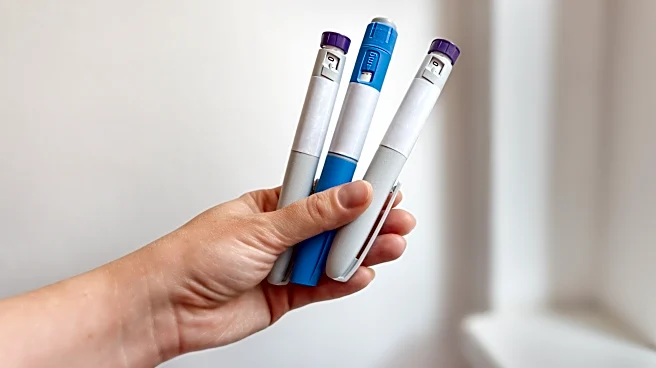
The Food and Drug Administration (FDA) announced the new safety labeling rule on Monday, Nov. 9, saying it would now require manufacturers of all GLP-1 drugs like Ozempic and Zepbound to include a warning about the rare eye condition non-arteritic anterior ischemic optic neuropathy (NAION).
Several recent studies have found a possible link between the two, and multiple lawsuits filed in recent years have accused manufacturers Eli Lilly and Novo Nordisk of withholding information about this risk from consumers.
Warnings that semaglutide may cause NAION "in up to 1 in 10,000 patients"
were added to European Wegovy and Ozempic labels in June and are already present on major GLP-1 medications in the United Kingdom,the European Union, Denmark and Australia. Ozempic labels have been updated several times in the United States in recent years to add side effects like intestinal obstruction, but nothing vision-related until now.
Here's what to know about the eye condition and what the new FDA label means.
What is NAION?
Non-arteritic anterior ischemic optic neuropathy, or NAION, causes sudden vision loss in one eye, or sometimes both. Sometimes called an "eye stroke," it occurs when blood flow to the optic nerve is reduced or blocked, according to the Cleveland Clinic.
Doctors don't know exactly why it happens; however, it has been linked to some health conditions that may disrupt blood flow to the eye, including diabetes, high or low blood pressure, anemia, sleep apnea and migraines. Some lifestyle factors, like smoking or medication use, may also increase risk.
The condition is more common in people over 50, according to the American Academy of Ophthalmology, and is rare. About 2 in every 100,000 Americans aged 50 or older develop the disease each year. In the general population, the incidence drops to less than 1 case per 100,000 people annually, according to the AAO.
There is no treatment for NAION. Doctors identify and address any underlying issues that may contribute to symptoms. Otherwise, patients typically receive supportive care and symptom management.

What did the FDA find? What does the warning mean?
The FDA's review was prompted in part by the 2024 JAMA study, which the agency said provided enough evidence to merit further investigation. After evaluating animal studies, clinical trial data, adverse event reports, observational research and its own real-world evidence study, the agency said it didn't determine whether GLP-1s could cause NAION, but identified signals suggesting the drugs may increase risk.
Health officials reviewed 126 clinical trials and found that NAION was rare overall but occurred more often among GLP-1 users than other groups. The agency also analyzed health records from patients with Type 2 diabetes and found mixed results: compared with some diabetes medications, GLP-1 users faced a higher risk of NAION. Meanwhile, other comparisons found no meaningful difference.
Because NAION cases have been reported with all marketed GLP-1 receptor agonists and multiple data sources point to a possible association, the FDA concluded there was enough evidence that the medications may carry a rare increased risk of the condition, even if it has not yet been identified how. As a result, the agency is requiring all GLP-1 drug makers to add warnings about the condition to prescribing information.
Moving forward, doctors and prescribers must warn patients about the possibility of NAION. Patients taking GLP-1s should report symptoms like sudden, painless vision loss in one eye; blurred or missing portions of vision; color distortion and reduced central sharpness (blurry or hazy spots) to their doctor right away.
The FDA communication also tells doctors to send patients with vision-related symptoms to an eye specialist and advise them to "consider discontinuing the (GLP-1) in patients who develop NAION, unless the benefits of treatment clearly outweigh the risk."
Is NAION linked to GLP-1s? Lawsuits allege permanent injuries
There is not enough research to definitively establish a cause-and-effect relationship between GLP-1s and NAION or other vision changes; however, a growing number of lawsuits have alleged parallels between the two.
Thousands of lawsuits have been filed in state and federal courts against the drug companies, including at least 4,000 complaints that have been consolidated into larger federal and state litigation, for complications patients say were caused by the medications, including gastrointestinal injury and vision loss.
NAION has been the focus of many of the most recently filed lawsuits. In New Jersey, nearly 100 NAION-related lawsuits have been filed since 2025, and another spate comes from Philadelphia.
By and large, the lawsuits allege permanent vision loss and damage that occurred as a result of using the GLP-1 drugs Ozempic/Weogvy, Zepbound/Mounjaro and Trulicity (semaglutide, tirazepitde and dulaglutide). The complaining parties allege that Eli and Novo were or should have been aware of an increased risk of NAION, which they allegedly failed to communicate to patients.
Evidence linking the two has been mixed. Some research suggests an association, specifically between the condition and semaglutide, the active drug in Ozempic, including a 2024 study of almost 17,000 people published in JAMA Ophthalmology and a 2025 study published in the peer-reviewed journal Diabetes, Obesity and Metabolism. However, both note that they did not establish causation.
Other studies show no association or correlation, including a Novo-funded study from April and two 2025 studies published in the American Journal of Ophthalmology and the journal Ophthalmology.
Novo Nordisk and Eli Lilly have denied any significant link between their GLP-1s and NAION, as both companies fight in court to defend their drugs' safety.
In court documents, the companies noted that diabetic patients are already at a higher risk of blindness and other conditions that have been the subject of GLP-1-related lawsuits, like gastroparesis and intestinal dysfunction.
"The safety profile of GLP-1 RAs has been well-established in hundreds of clinical trials, large-scale observational studies, and nearly two decades of real-world use," the drugmakers said in ajoint 2024 filing. "The known risks associated with these medicines are reflected in their FDA-approved product labeling which, collectively, FDA has reviewed more than 40 times and are discussed in textbooks, treatment guidelines and journals."
This article originally appeared on USA TODAY: Do Ozempic, Zepbound cause vision loss? New FDA warning explained