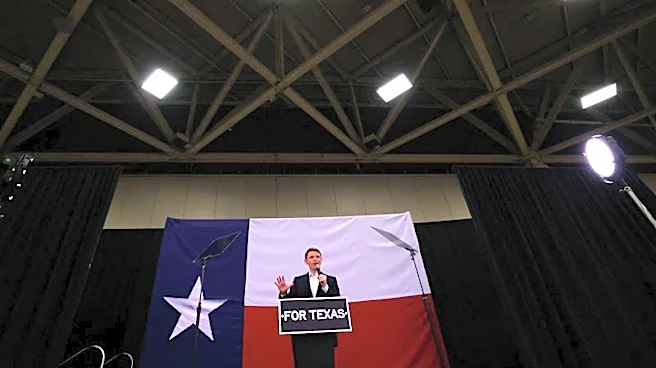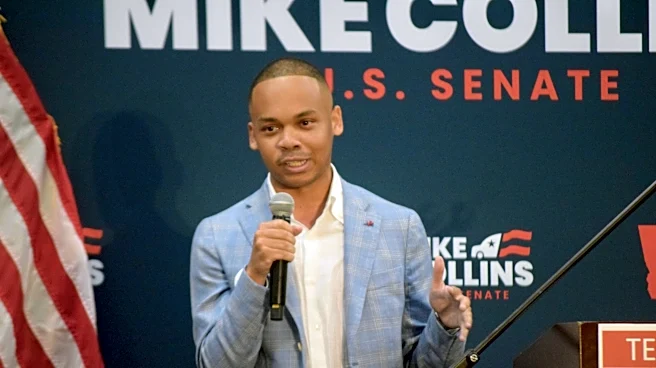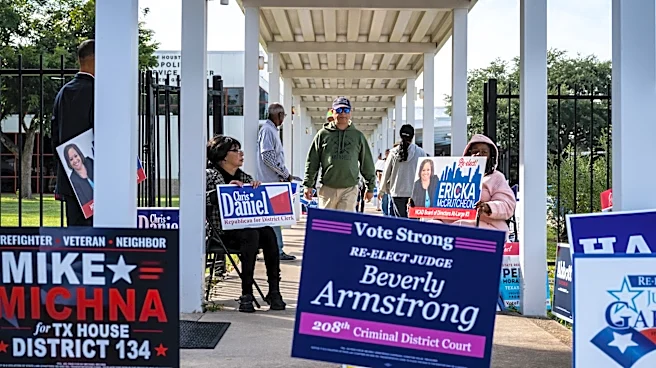



Gen Z voters like myself are back in the conversation for the 2026 midterm elections – and while the political class may not be putting their faith in us the way they did two years ago, there’s still a chance that we can make a difference in what happens on Nov. 3.
Nearly 50 million 18- to 29-year-olds can vote in these elections. While it’s wishful thinking to assume that all will vote, many are feeling motivated to show up at the polls because of economic factors, social issues and hope for the democracy that they want our country to be.
According to Leela Strong, the Newhouse Director of the Center for Information & Research on Civic Learning and Engagement (CIRCLE) at Tufts University, 56% of young people say are “extremely likely to vote”
in the midterms.
“That’s not a prediction, but it’s an opportunity,” Strong told me in a recent interview.
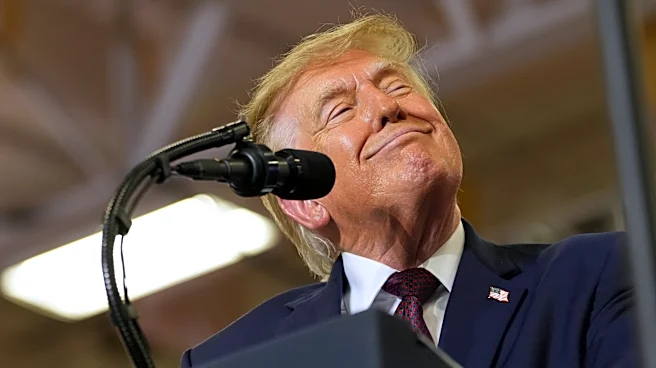
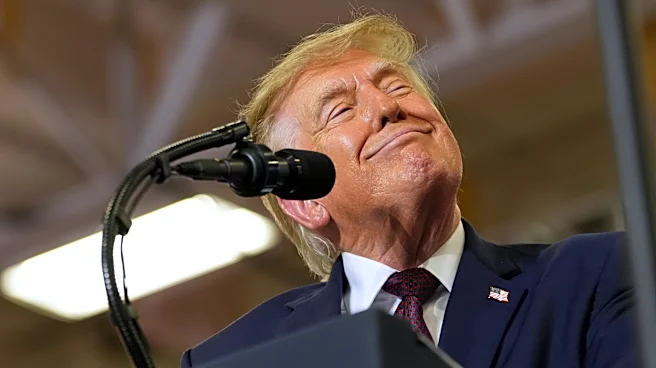
The opportunity lies in the Democrats’ hands. A recent New York Times/Siena University poll showed that 70% of likely voters ages 18-29 identify as or lean Democrat, up from 55% in 2024. President Donald Trump is also deeply unpopular – the same poll showed him with a 16% approval rating among this age demographic, the lowest of any age group.
Two years on from the bratification of Democratic presidential nominee Kamala Harris’ campaign, it seems as though the party has learned a hard truth – it takes more than vertical video and memes to keep young voters engaged. In fact, we have many of the same concerns as older voters.
Democrats made several campaign errors with Gen Z in 2024

The Democratic Party’s 2024 strategy was rife with errors in strategy – from the unheard concerns about President Joe Biden’s ability to lead the country for a second term to the overreliance on Gen Z to push Harris over the finish line.
While the Harris presidential campaign was going viral on social media and the vice president was spending her time speaking with Alex Cooper from the "Call Her Daddy" podcast, there wasn’t a solid game plan for keeping those Gen Z voters with policy proposals that spoke to them.
“There was this overhyping of brat summer and the digital game,” Santiago Mayer, the founder and executive director of the progressive Gen Z advocacy group Voters of Tomorrow, told me. “Do not get me wrong, the digital game was absolutely incredible. But you don’t win young voters by making funny TikToks. You win young voters by promising them a vision as to what their future will look like if you win.”
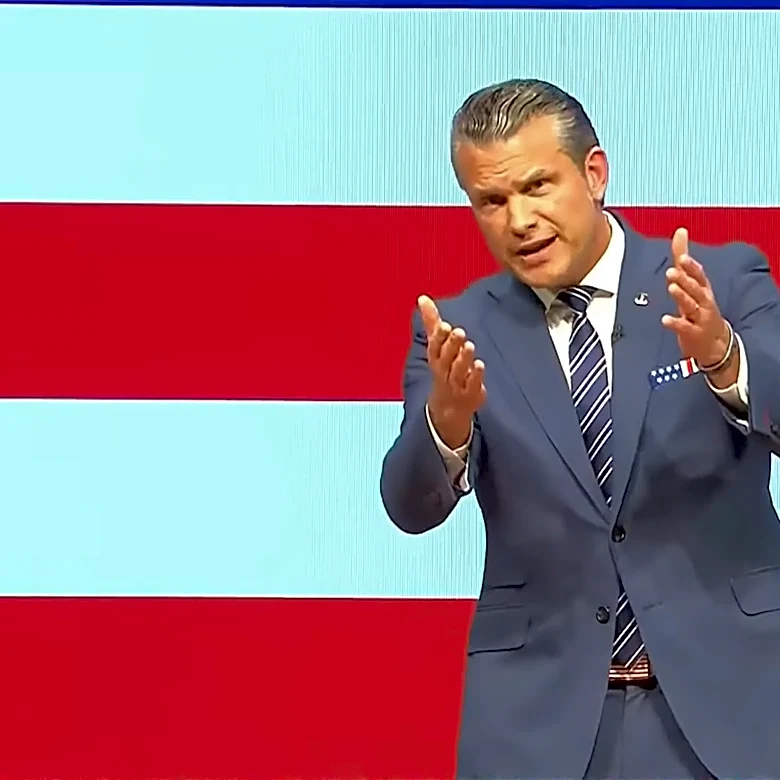
Meanwhile, Trump spent the months leading up to the 2024 election speaking with “manosphere” podcasters like Joe Rogan and Theo Von. The right poured $1.2 billion into targeting young voters that cycle, ultimately pulling young men away from the Democratic Party.
But this year is different. Trump failed to keep his promises from the campaign trail by letting the economy suffer and plunging us into a war with Iran. The Republican Party has failed to make the case for their candidates. A September Cygnal poll shows that men ages 18-30 most determined to vote are more likely to side with the Democrats.
“I think a lot of young people voted for Biden, then Trump, under this idea that they would make life work better for them, and then they just didn’t see those results,” Mayer told me.
Voters of Tomorrow is one of the groups that seem to be meeting voters where they’re at by having conversations with them through phone banking.
“I think that right now we are seeing a very angry response, not just because things aren’t working, but because this time around, they feel used and they feel betrayed,” Mayer said.
So what do young voters care about in 2026?

Strong’s research and Mayer’s outreach have shown that young people are incredibly motivated by several factors.
It’s also clear that young people – like all voters – are affected by rising costs. CIRCLE found that 60% of young people say they sometimes or often have trouble meeting basic financial needs, with Black and Latino youth being more likely to struggle financially. This can also affect their decision to go vote – it’s hard to feel like civic engagement makes a difference when your material life is seemingly unaffected.
“Young people who are struggling are less likely to participate and to understand that their voice and their vote matter,” Strong said.
According to a recent Harvard Youth Poll, the most pressing issue for young people is the cost of living, followed by government corruption. Mayer said Democrats have done a good job focusing on these issues.
But there are still 43% of young people who don’t belong to any political party, according to CIRCLE. Strong told me that we care more about the individual candidates, particularly those who speak with “authenticity and belonging.”
“That tends to resonate across the board far more specifically than a transactional conversation where you show up every two to four years and say, ‘Oh, I want your vote,’ ” she said.
This is where the Democrats should invest if they want to turn young people into consistent Democratic voters after these elections. They must put their resources behind campus outreach and other programs that foster community among people.
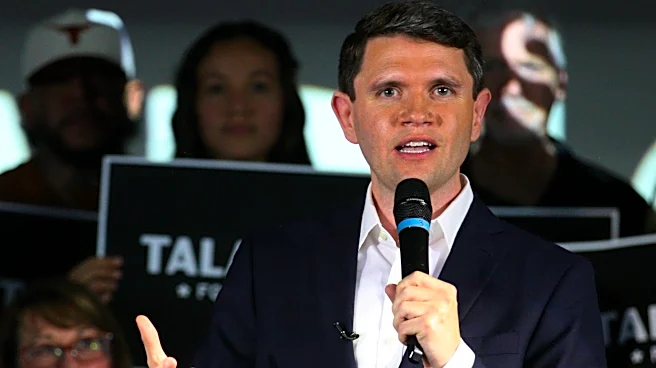
Ultimately, polling and anecdotes show a positive turn for the Democratic Party. To keep up the momentum going into 2028, Democratic leaders must find candidates who generate enthusiasm and focus on issues that affect all voters – not just niche interests catered to particular demographics.
Follow USA TODAY columnist Sara Pequeño on Bluesky: @sarapequeno.bsky.social
This article originally appeared on USA TODAY: Gen Z voters feel betrayed by Trump. It's time to show it | Opinion