







The Food and Drug Administration approved Eli Lilly's diabetes drug Mounjaro to cut down the risk of heart attack or stroke in high-risk adults with Type 2 diabetes.
The approval gives consumers another option when seeking a GLP-1 medication to lower heart-related health risk. In 2024, the FDA approved Novo Nordisk's anti-obesity drug, Wegovy, to lower the risk of cardiovascular events such as heart attack and stroke in overweight or obese adults without diabetes.
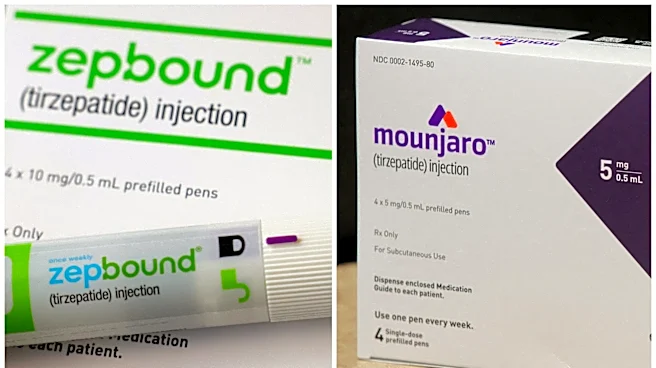
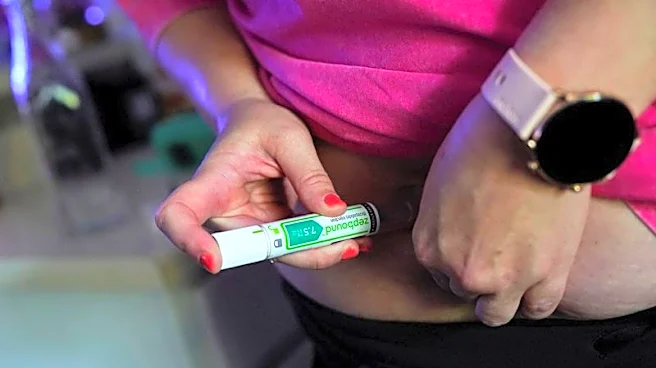
Mounjaro is Lilly's diabetes drug that targets the GIP and GLP-1 hormone receptors. The drug is also prescribed for weight loss under the brand name Zepbound.
Eli Lilly said Mounjaro's approval to reduce risk of heart attack and stroke followed a large study comparing the drug to Lilly's
older diabetes drug Trulicity.
The approval was based on results from a trial that showed Mounjaro outperformed Trulicity in reducing the risk of major heart events. The study showed those who took Mounjaro had an 8% lower rate of cardiovascular death, heart attack or stroke, Lilly said.
Lilly, Novo and other drugmakers are studying GLP-1 medications for a variety of conditions as well as a new generation of more powerful weight less medications.
Lilly said a study showed people on its experimental, next-generation weight-loss shot retatrutide achieved weight loss of 19% to 28%. The results for some people were on par with weight-loss surgery. Retatrutide works differently than existing medications because it mimics three hormones − GIP, GLP-1 and glucagon triple hormone receptor agonists.
In a recent report, Wells Fargo said the pipeline of GLP-1 weight-loss medications now surpasses cancer drugs as the most valuable category of products on the horizon. Goldman Sachs projects global sales of weight-loss medications will be about $105 billion by 2030.
Medicare has started coverage of GLP-1s for older adults under the bridge program, but some employers and insurers are balking at paying for the weight-loss medications. Starbucks, for example, said it would no longer cover the cost of GLP-1 weight-loss medications for employees beginning in October.
A recent survey from the benefits consultant Mercer found about 6% of large employers expect to drop coverage of GLP-1 weight-loss drugs in 2026 and an additional 5% plan to drop coverage in 2027. Nearly half of large employers covered the weight loss drugs in 2025.
However, insurers are more likely to cover GLP-1 drugs when prescribed for Type 2 diabetes, sleep apnea or to reduce the risk of heart attack or stroke.
This article originally appeared on USA TODAY: Eli Lilly's diabetes drug Mounjaro gets approval for a new use