







The New York City Health Department confirmed Friday that the exposure source of the deadly Legionnaires' disease outbreak in Manhattan's Upper East Side has been eliminated.
In the community cluster, 92 positive cases have been reported, with seven deaths.
Here's what to know.
Legionnaires disease outbreak in NYC
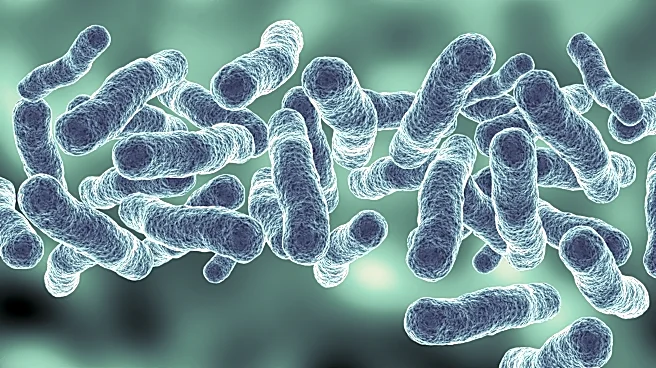
The illness is caused by Legionella bacteria, which typically can be found in cooling towers. People are at risk of getting Legionnaires' disease if they breathe in water vapor contaminated with the bacteria.
Two weeks ago was last time anyone who had been exposed to the bacteria reported the onset of symptoms, the health department said. Because Legionnaires’ disease has an incubation period of two to 14 days after exposure, the agency said that cluster exposure has officially
ended.
"As a result of the Health Department’s aggressive response to this cluster — which included ordering all cooling towers with initial positive screening to be fully drained, cleaned, and disinfected — the source of exposure has been eliminated," the agency said Friday.
"The Health Department continues to investigate the source of exposure to the Legionella bacteria associated with this cluster," the agency continued.
As of July 30, the New York City Department of Health has reported:
- 92 tested positive
- 5 still hospitalized
- 67 out of the hospital
- 13 who were not hospitalized
- 7 deaths
In total, the New York City Health Department had 183 cooling towers from 160 buildings tested. Out of those tested, 59 cooling towers at 58 buildings were positive in a culture test, meaning that Legionella bacteria was present and live. All were cleaned and disinfected, the city says.
Just yesterday, the seventh death was reported in connection to the outbreak.
This article originally appeared on USA TODAY: NYC confirms Legionnaires outbreak source is eliminated after 7 deaths