






Record-breaking high tides have arrived along the coasts of Southern California and the southeastern United States this week.
A combination of weather and climate factors are fueling the high tides that are flooding streets and low-lying areas and gnawing away at beaches.
The full moon on Oct. 26is converging with warmer than normal waters, El Niño, offshore storms and other patterns to ramp up seasonal high tides, said Bob Oravec, a meteorologist with the National Weather Service Weather Prediction Center.
A new high tide record was set at Los Angeles Harbor on Oct. 26, and new records were set four of the last five days in Miami, meteorologists reported.
In California, water levels already were higher along the Pacific Coast thanks to a surge
of higher sea levels from an underwater wave known as a Kelvin wave and warmer-than-normal sea surface temperatures in the region, Oravec said. Then the full moon arrived. By the weekend, rain is forecast.
A similar forecast may occur with the new moon in two weeks and throughout the winter, as a typical wet winter weather pattern associated with El Niño sets up, Oravec said. "We've already seen that in some of the forecasts out a week from now."
Advocacy groups warning about the ongoing perils of the changing climate are pointing to the contribution of sea level rise on top of the other naturally occurring phenomenon pushing tides higher.

Southern California high tide sets record
High tide at San Pedro in Los Angeles Harbor on Oct. 26 hit just above 8 feet, an all-time record for the gauge, where records date back to November 1923, the weather service reported. The previous record was 7.93 feet, set on Jan. 10, 2005.
High tides will generate "significant coastal flooding" in Southern California through Thursday, Oct. 29, the weather service offices in Los Angeles and San Diego warned. Tides are forecast to be as much as 1.7 feet above the normal full moon predictions, likely raising morning high tides above 8 feet.

In La Jolla, California, the morning high tide on Oct. 26 reached at least 7.79 feet, according to preliminary data from the National Oceanic and Atmospheric Administration.
Coastal residents in the regionshould expect roads to be closed and low-lying homes, businesses and infrastructure to be inundated with water, the weather service said. Residents were advised to "prepare for rising water and take appropriate action to protect life and property."
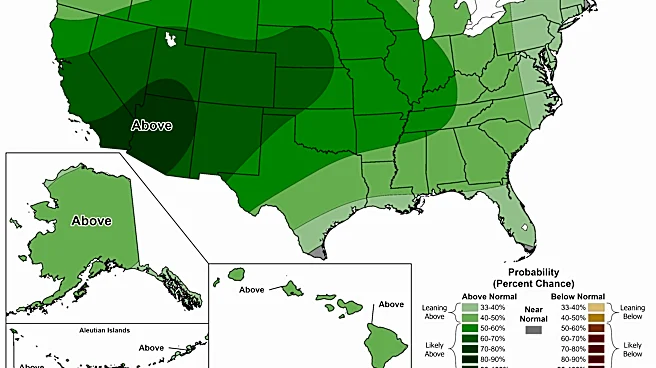
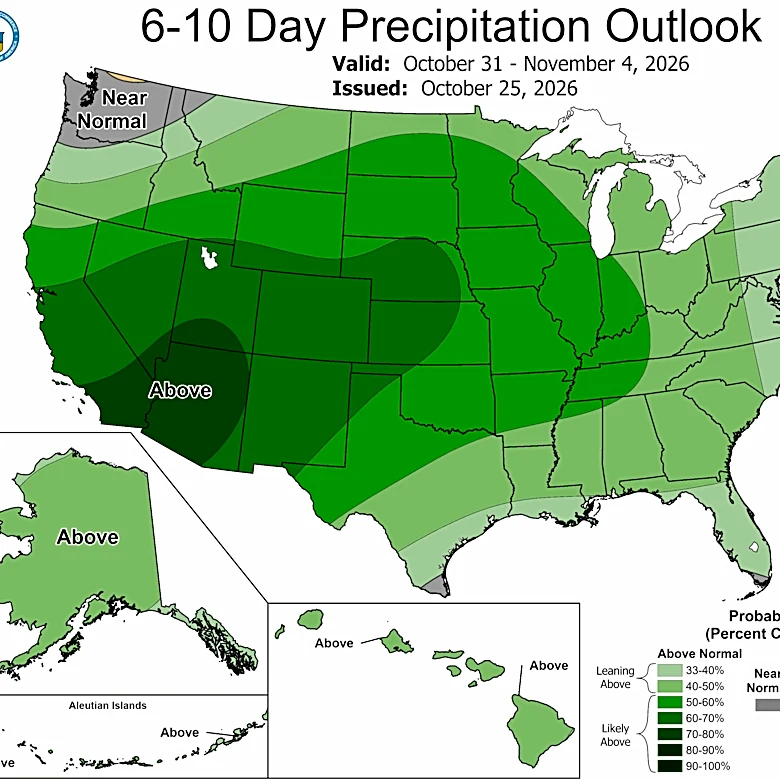
Southern California also is looking at chances for rainfall on Halloween weekend to be up to 250% of normal, according to one set of models, said the weather service office in San Diego.

What's happening with Florida's high tides?
In the Southeast, strong winds and rough surf from the Atlantic are blowing onshore along the East Coast, pushing the water up higher in conjunction with the higher-than-normal tides associated with the full moon, Oravec said.
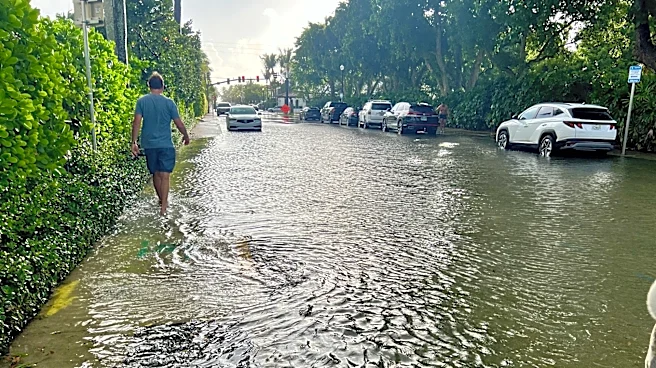
Meanwhile record-breaking high tides are occurring in Florida, as the state is hit with the seasonally high tides known as "king tides." Flooding was reported in Fort Lauderdale and Miami Beach, the weather service said.
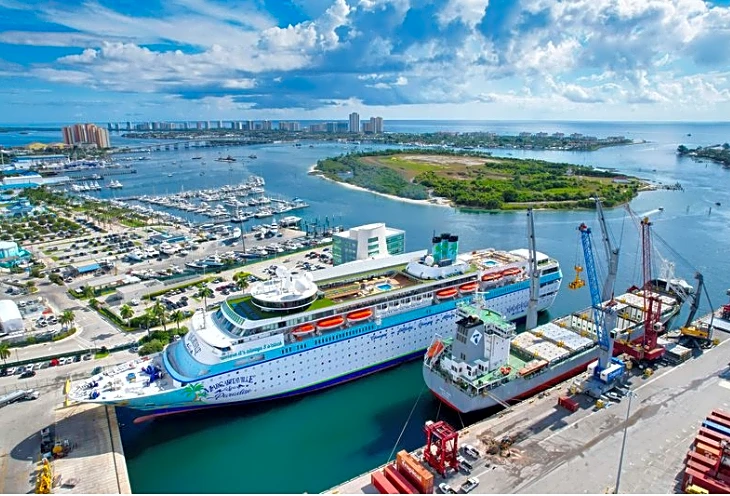
Gusty winds, "elevated seas, and high astronomical tides will maintain a plethora of hazards along the east central Florida coast," Megan Tollefsen, a meteorologist with the weather service in Melbourne said in a morning forecast on Oct. 26. A high tide at Port Canaveral was the highest non-tropical cyclone-related water level ever recorded since the gauge was established in October 1994.
In Miami, a tidal record set on Oct. 25 was the fourth record in five days, becoming the fifth highest all-time record tide at the gauge, said Brian McNoldy, a senior research associate with the Rosenstiel School of Marine, Atmospheric, and Earth Science at the University of Miami.
The streak in Miami could reach "an unprecedented 10 days" before water levels start to retreat, he said. The highest tide of the event is expected on Tuesday morning.
Coastal flood advisories are in effect for parts of Florida, Georgia and North Carolina.
King tides also hitting Outer Banks
On North Carolina's Outer Banks, sections of the coastal highway have been destroyed, closing portions of the only artery along the barrier islands, according tothe North Carolina Department of Transportation.
An emergency evacuation order is in effect for visitors, and no visitors are permitted on Hatteras Island, after ongoing offshore storms and high tides pummeled the coastal highway, the department stated in social media updates.
Work continues to reestablish a protective dune line, remove damaged pavement and grade the roadbed at the Pea Island National Wildlife Refuge visitor center, "but high tide overwash continues to be an issue," the department said.

Vance to bring rain to Mexico and possibly the Southwest US
Hurricane Vance has been downgraded to a tropical storm and should dissipate before reaching the coast of Mexico this week, but periods of heavy rainfall related to the storm may produce flooding and mudslides across portions of the area, the National Hurricane Center said on Oct. 26.
There's "definitely the possibility for moisture from Vance" to push its way into Texas later in the week, Oravec said.
Climate change warnings linked to flooding
The water levels forecast for Florida in the coming days are equivalent, under most sea level rise scenarios, to what could become normal later this century due to global warming, according to a statement from Erika Spangler, director of climate analytics for the Union of Concerned Scientists.
"Coastal communities are now living with the consequences of our failure to limit heat-trapping emissions, as well as maladaptive policies and market drivers that continue to fuel risky coastal development," Spangler said. “Coastal states must anticipate and prepare for the periodic collision of factors that Florida is seeing as a new and worsening normal."
Because king tides on top of rising sea levels will periodically collide with weather systems to drive unprecedented coastal flooding, Spangler said decision makers need to scale up measures to adapt and protect local communities.
Dinah Voyles Pulver, a national correspondent for USA TODAY, covers climate change, wildlife and the environment. Reach her at dpulver@usatoday.com or @dinahvp on Bluesky or X.
This article originally appeared on USA TODAY: Record high tides slam US coasts. Here’s what’s driving them