

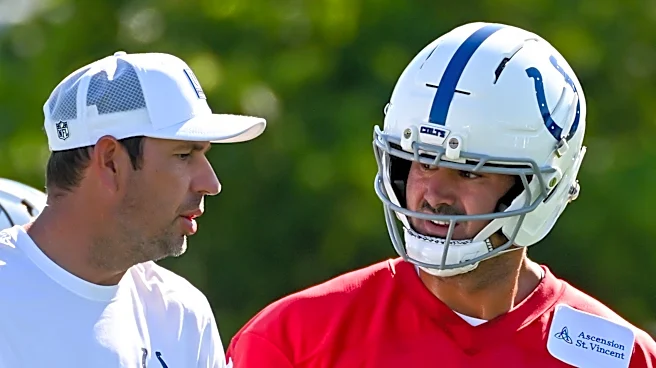
To kick, or not to kick? That is the question many NFL coaches are facing as a part of the league's relatively new regular-season overtime rules.
Under previous iterations of the NFL's overtime rules, the easy choice was to receive the ball after winning the opening coin toss. That would give teams a chance to end the game in sudden death, whether it was with a field goal in the rule-set that existed prior to 2012 or with a touchdown with the procedures that came after it.
But under the new rule set, teams are each guaranteed a possession in the extra period. That has led to an extra element of strategy for coaches as they try to earn overtime victories.
There is not yet an orthodoxy about how to approach overtime under the new rules. They are
still in their infancy, which has led coaches to adopt varying strategies as they continue to test the waters and gather more data.
NFL fans got a taste of that firsthand in Week 2 of the 2026 season. There were two overtime games, and the coin-toss-winning teams – the New York Jets and Indianapolis Colts – from each contest chose different methods approaches to the extra, 10-minute period.
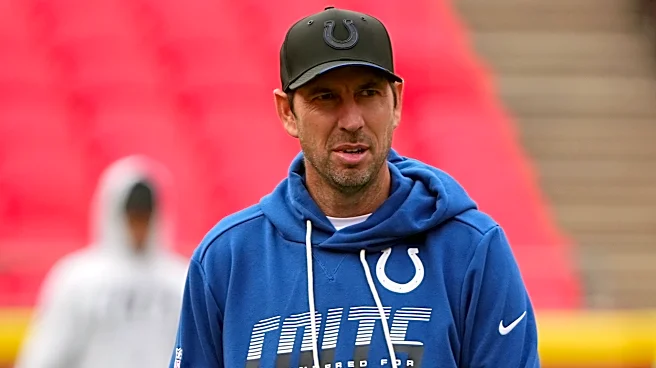
Here's more to know about the decisions of Aaron Glenn and Shane Steichen in those key moments.
To take the ball
Glenn and the Jets were the first team tasked with an overtime decision in Week 2. New York won the coin toss in its game against the Green Bay Packers and opted to take the ball first.
Glenn's decision to play offense first was predicated on a desire to control the clock during overtime, as he explained during a postgame news conference.
"Usually, if you can get yourself in a situation like that and you can really control the clock, you can control exactly how they're going to play offense once you go and score," Glenn told reporters. "So, we control the clock, we go run it down; say we run it seven minutes, which we’ve done before, we've run a number of time off the clock, it only gives them so much time to try to rebuttal."
Glenn lamented his team's execution with that strategy – he said they "didn’t do a good job in that situation" – but still expressed his belief in the Jets' strategy.
"Once you get the ball and you go down and score, you put the pressure on the other team that has to go ahead and score," Glenn said. "But that didn’t happen for us the way I planned."
Glenn further acknowledged that his staff works in tandem with the Jets' analytics staffers "quite a bit" to map out the best strategy for overtime.
The 54-year-old also expressed confidence in the Jets' strategy, which he noted was one of many unique philosophies about overtime from around the league.
"I take it back to the Tennessee game. We had that 19-play drive. We ran all that time off the clock," Glenn said, referencing the Jets' Week 1 win over the Titans. "To get a chance to go down and score and put pressure on the other team, I thought defensively, we were doing a pretty good job. I mean, that's a powerful, powerful offense. So, I just put those two things together and come up with my decision."
Glenn's strategy was understandable. If the team had achieved his desired result of control the clock and giving the Packers little time in which to mount a rebuttal, his decision would have been viewed favorably.
Instead, the Jets went three-and-out on their opening possession of overtime and did not get the ball back after punting it to the Packers. Rookie Trey Smack kicked a game-winning, 26-yard field goal to give the Packers a 20-17 win that thrusted Glenn's decision into the spotlight.
To not take the ball
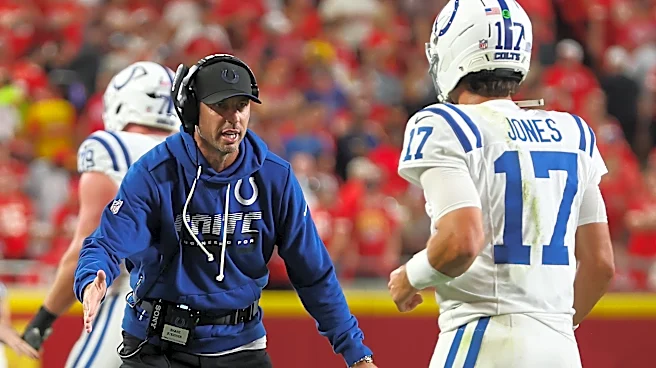
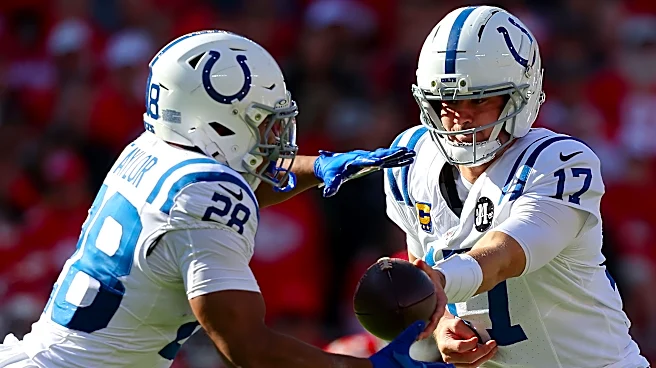
While Glenn decided to take the ball to start overtime, Steichen and the Colts made the opposite decision in their "Sunday Night Football" win over the Kansas City Chiefs.
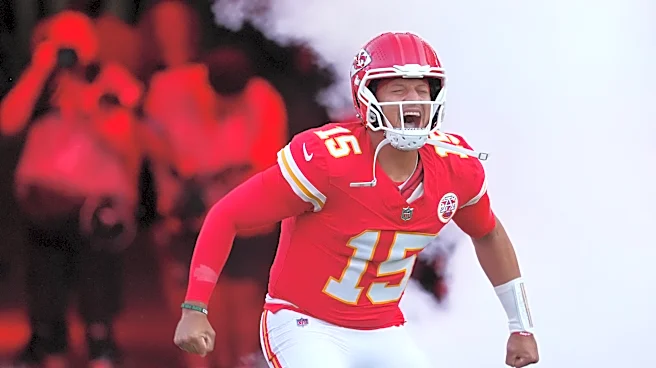
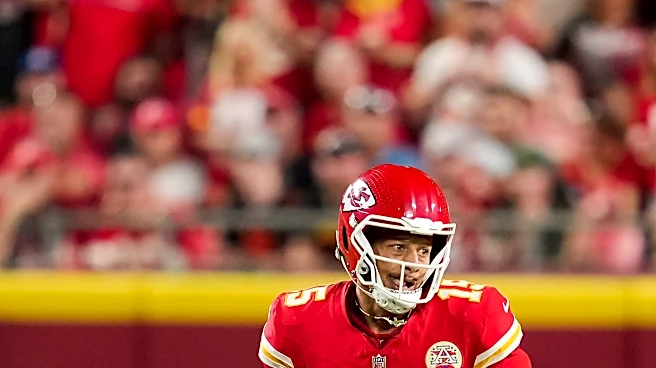
Steichen explained during his postgame news conference his decision about whether to take the ball in overtime "goes back and forth," depending on the situation. Against Kansas City, his choice to play defense was to avoid giving Patrick Mahomes and the Chiefs extra downs with which to work.
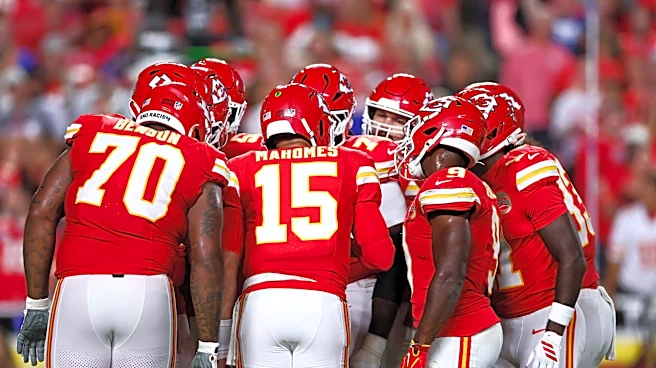
"If we go first with it, Mahomes gets four downs going the other way, so we wanted to play defense there and know we had four downs to know what we gonna get," Steichen said. "It can go either way in those situations, but we decided to kick off there, and obviously, we had a chance there at the end. Didn’t finish it."
That Steichen would want to limit Mahomes' playmaking opportunities was sensible. Giving the three-time Super Bowl champion an extra down with which to work would have afforded him more opportunities to make the explosive plays fans have been accustomed to seeing him make across his time in Kansas City.
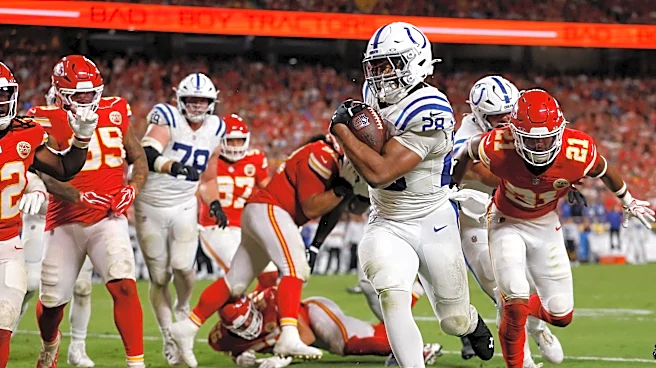
Of course, the caveat to this is that while Steichen's decision provided a buffer to the Chiefs having all four downs available, Kansas City did earn an extra possession after Indianapolis was only able to tie its intraconference rival on its lone possession of overtime. That allowed the Chiefs to mount a game-winning drive as time expired in overtime, with Harrison Butker hitting a walk-off 40-yard field goal to seal a 33-30 win.
One could make the case that had the Colts taken the ball first, the Chiefs would have had just one opportunity to beat them. But at the same time, a case can be made that had Indianapolis just executed better in the red-zone during overtime, the Colts would have emerged as the winners.
Instead, Mahomes was able to improve his regular-season overtime record to an impressive 8-0.
So, what's the right call?
It's still early to say which strategy will prove to be the best option long-term. There have thus far been just 16 regular-season games decided in overtime under the new rules entering "Monday Night Football" in Week 2 of the 2026 NFL season. Meanwhile, three postseason games have gone to overtime since the new rules debuted during the 2022 NFL playoffs.
Below is a look at the record of the team's receiving the ball first:
- Regular season: 9-7-1
- Postseason: 2-1
And here's how teams playing defense first have fared:
- Regular season: 7-9-1
- Postseason: 1-2
While the numbers indicate teams have had slightly more success taking the ball first, the gap between the two strategies is small, just like the sample size.
That's part of why overtime strategies vary greatly from team-to-team. NFL coaches and decision-makers are still figuring out the new-look overtime, so it may be a couple of years before teams settle into a more universal, preferred strategy.
This article originally appeared on USA TODAY: To kick, or not to kick? NFL's new OT rules leave coaches with tough choice