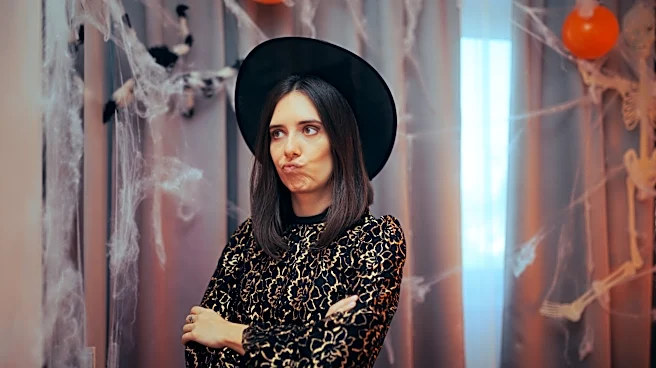







Stressing over your Halloween costume and how you might look in it? You’re not alone.
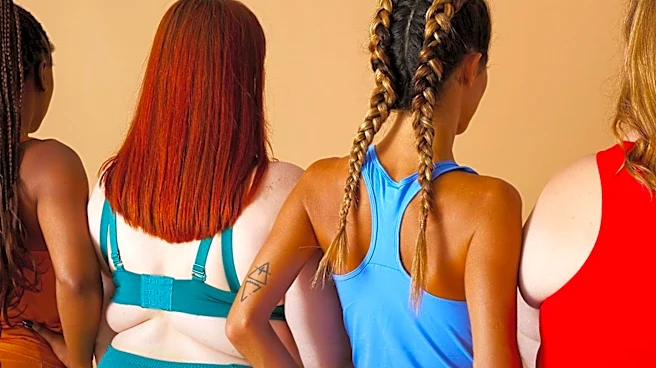
In recent years, corset-based costumes have skyrocketed in popularity, adding spice toDisney princesses,Fancy Nancy or a vampire look. With it has come an emphasis on “snatched” waistlines, prioritizing thinness and how your body might look in Instagram photoshoots over the resemblance to the character itself. In the weeks leading up to Halloween, social media has been flooded with posts promoting what mental health experts have coined the “Halloween body."
Over an at-home workout video, one user wrote, "Me all October because my friends chose the skimpiest Halloween costume ever.”
“What happened to skinny before Halloween?” another joked while breaking her “diet.”
The rhetoric, though humorous at times, pulls from diet culture, and experts warn the pressure to fit idealized beauty standards for Halloween can lead to potentially dangerous outcomes.
“It can be a gateway into struggling with an eating disorder,” cautioned Sarah Callazzo, a licensed social worker and founder of the eating disorder helpline Love, A Stranger. People may hyper-fixate on an event like Halloween when engaging in eating disorder behaviors like restriction or binging and purging, and use the holiday as an excuse to dismiss concerns.
“It’s like, ‘Oh, everything's fine. I'm just going to do this for Halloween and then I'm going to stop,” Callazzo said. “But there’s always something else that you do it for.”
How social media promotes unhealthy beauty standards around Halloween
Feeling confident in your Halloween costume is only half the battle, especially for younger generations that put a bigger emphasis on getting the perfect photo.
“It’s a never-ending cycle of disappointment,” Callazzo explained.
She painted a scenario: You spend the weeks leading up to Halloween hating your body, feeling angry with yourself for not looking the same as the influencers on your TikTok feed or photos lining Halloween store shelves. But finally, you get to the point where you accept what you see in the mirror. You go to the Halloween party, and don’t spend the entire time comparing yourself to others.
Then, when all your friends are preparing their photo dumps for Instagram, you can't find one you want to post.
“Not having that photo at the end of the day, especially with this (younger) generation, can take away from all the fun you have. If it’s not posted on social media, did it even happen?” Callazzo said.
Some social media creators are combating the “Halloween body” mentality.
Kaitlin Hon, a fashion influencer with 2 million followers, shared a video in 2025 speaking out about the “fatphobia” she faces throughout the Halloween season.
“No matter what I wear, people will dislike it simply because I don’t have an hourglass waist,” Hon said. “I take a lot of pride in the things that I create and I wish there was more focus on that instead of my body.”
While getting dressed up for a renaissance fair on Oct. 6, Noelle Downing gave a PSA to her 222,000 TikTok followers: “You don’t have to be skinny to feel hot… (or) to wear the costume.”
How to seek support this spooky season
It’s not just college-aged women or one body type affected by diet culture – every gender, body type and age group can feel the “Halloween body” pressure.
Callazzo encouraged those who are comfortable speaking up to steer conversations away from body image, such as saying, “Hey, that landed weird with me” or “Let’s not talk about our bodies tonight.”
It’s also OK to step away from the conversation entirely, she noted.
If you are feeling overwhelmed, she recommends reaching out to a support line (such as Love, A Stranger) or a licensed mental health professional who can help navigate any disordered eating behaviors or thoughts that arise during spooky season.
“There’s a lot of pressure on Halloween, but you deserve to have fun. I don’t want your eating disorder order to take that away from you,” she said.
Readers seeking help can contact the National Alliance for Eating Disorders Helpline at 1-866-662-1235 (www.allianceforeatingdisorders.com). For individuals experiencing a mental health crisis, Crisis Text Line can be reached by texting "ALLIANCE" to 741741.
Love, A Stranger provides free, human-led eating disorder support by call and text. Individuals can connect with a trained volunteer at (601) 348-5683 (LOVE) or visit loveastranger.org. Please note, the organization is not a crisis line or replacement for professional treatment.
This article originally appeared on USA TODAY: The 'Halloween body' and when costume planning turns toxic