




Editor's note: This column was originally published by the Detroit Free Press, part of the USA TODAY Network.
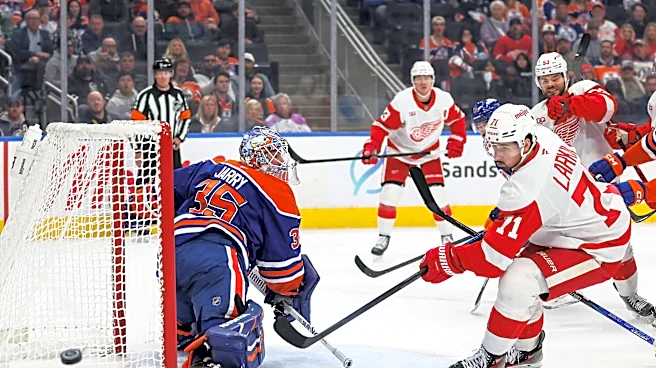
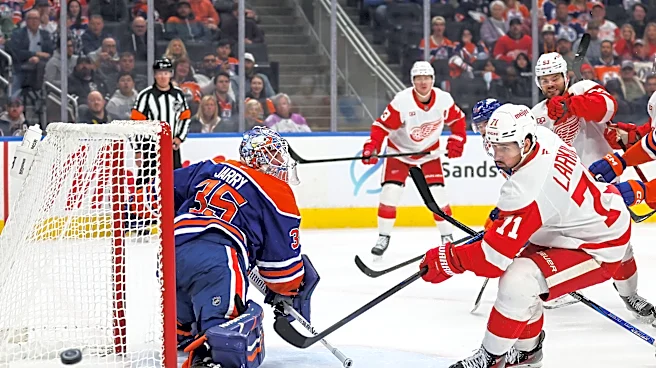
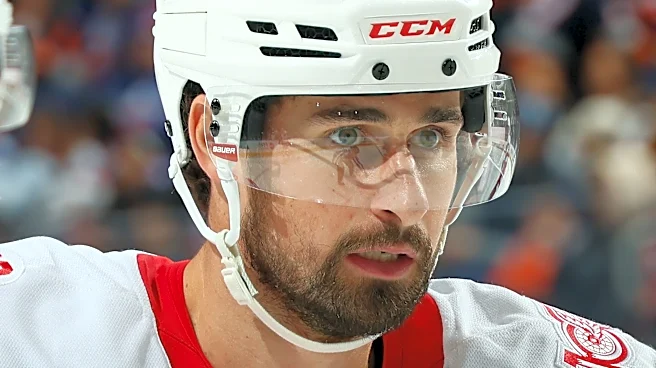
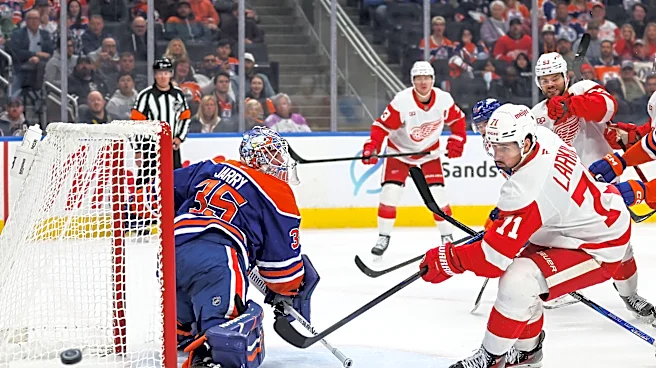
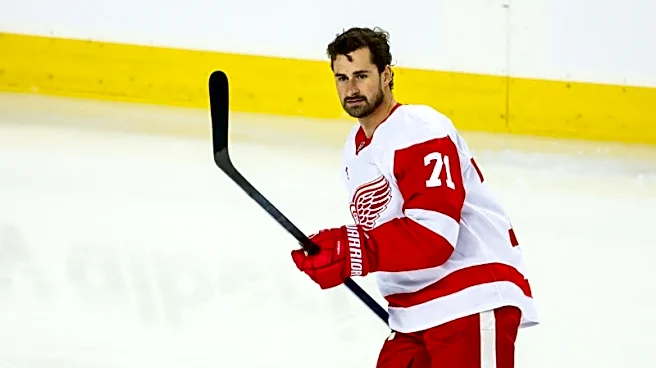
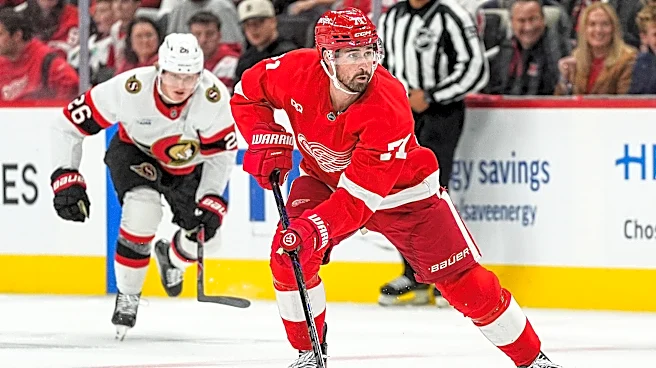
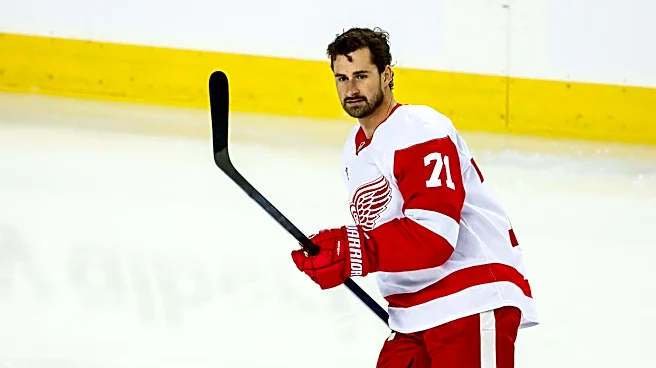
Don't blame Dylan Larkin for finally drawing a line in the sand and giving the Detroit Red Wings an ultimatum on Thursday, Oct. 29.
Trade me now because, as Taylor Swift might put it, I’m never, ever, ever, ever playing for you again. Like, ever.
After all, it has been six months since he made the audacious decision to ask the team for a trade, back in mid-April.
Twelve games since the season started and he had to endure those early brutal boos from his fans in his hometown.
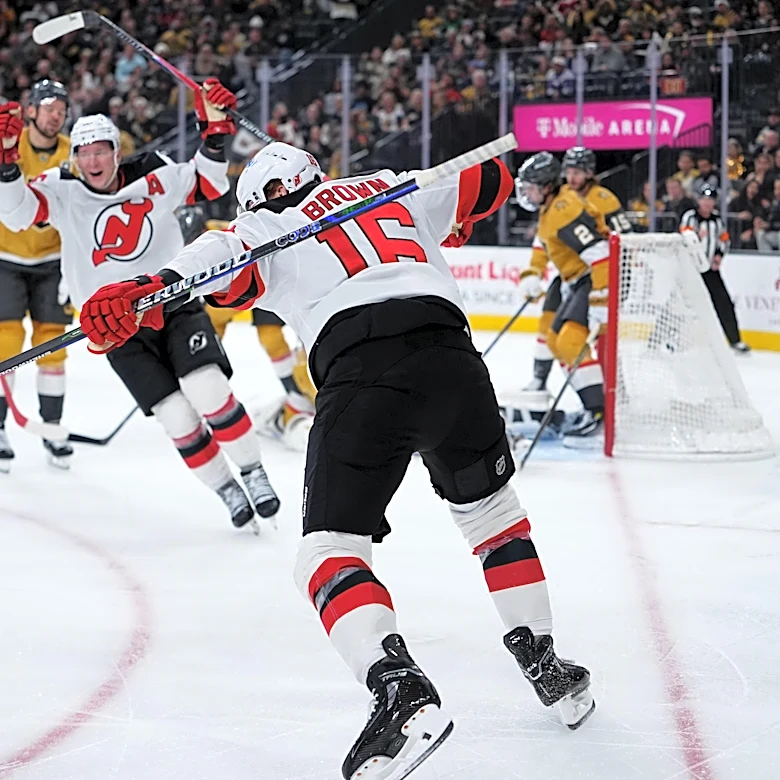
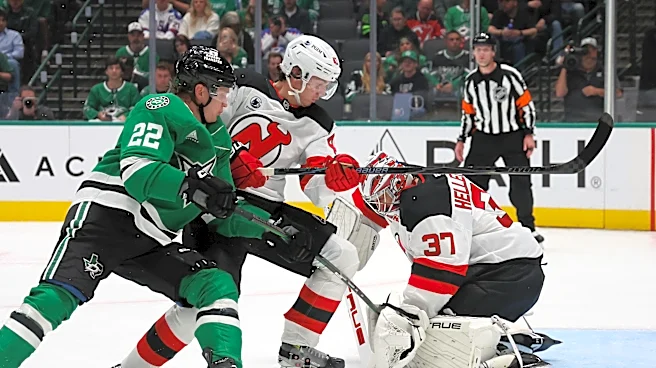
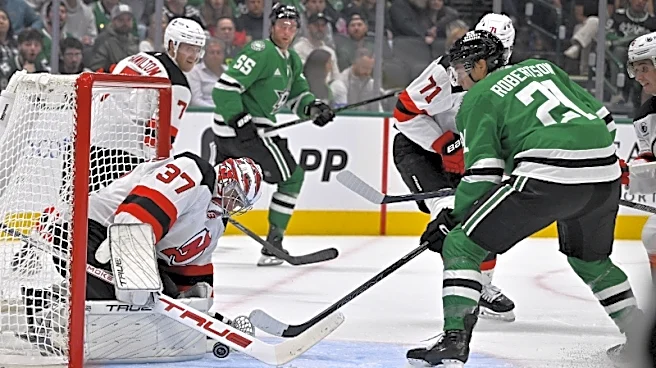
And three games since another offseason trade-demanding star (and U.S. Olympic teammate), Commerce Township's Connor Hellebuyck, was shipped from the Winnipeg Jets to
the New Jersey Devils, after holding out for more than three weeks.

Sitting out and refusing to play for the Wings was the only leverage Larkin had since he crossed the Rubicon and asked for a trade.
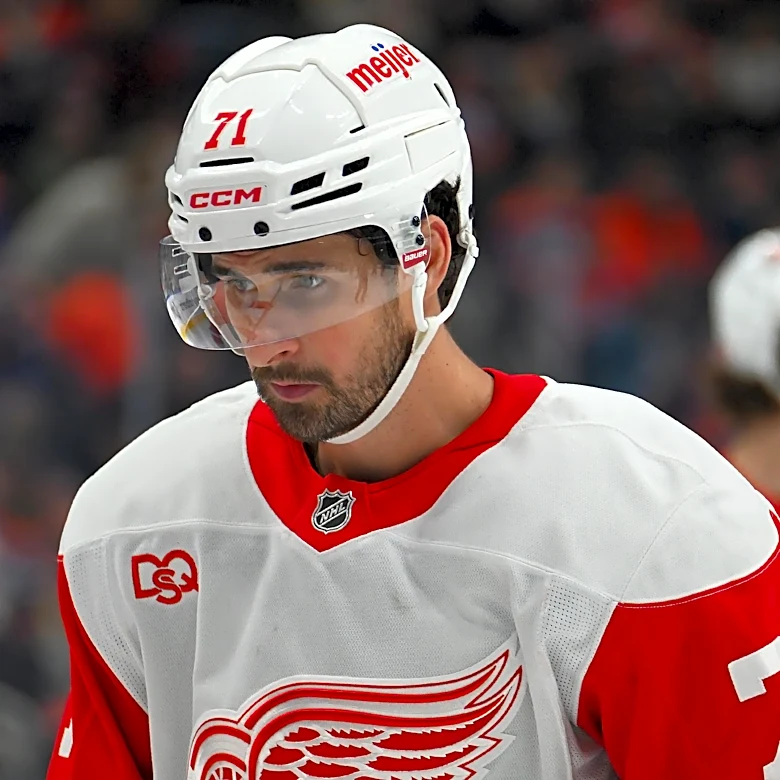
You can hate Larkin all you want. You can burn his No. 71 sweater. You can call him a spoiled multimillionaire who refused to honor his contract, betrayed his teammates and his hometown by selfishly trying to walk away from a team stuck in perpetual mediocrity, which is a generous way of describing the Wings’ plight during almost his entire career.
But keep this in mind: Larkin is 30. He’s a six-time 30-goal scorer with four-plus years left on his contract, which pretty much takes him through the end of his prime. And we all watched Steve Yzerman’s feckless tenure as general manager end in the fiasco of his de facto firing play out this summer.
So let me ask you. If you were Larkin, would you want to waste the remainder of your prime years playing on a team that has shown so little potential of breaking through and doing the bare minimum – ending a 10-year playoff drought?
If you honestly can say you would, I can honestly say you don’t understand much about professional athletes and the cutthroat world in which they make their living by sacrificing their bodies, minds and future well-being for teams that don’t hesitate to discard them the minute they’re no longer of any use.
Why now?
So why did this come to a head? Why did Larkin issue the ultimatum that led the Wings to suspend him without pay, which will cost him more than $41,000 per day?
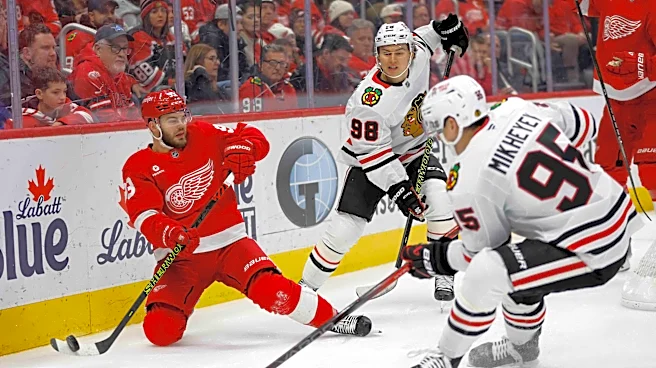
I’ll give you a clue, courtesy of Shawn Horcoff. The Wings' interim general manager spoke with reporters shortly before the Wings’ 4-1 win over the Chicago Blackhawks at Little Caesars Arena on Thursday and said two things that explain what might have driven Larkin to the breaking point.
Horcoff admitted he noticed a change in Larkin the past few days during a recent road trip. Yet, when Horcoff was told early Thursday that Larkin would no longer play for the Wings, he said he was somehow “surprised.”
“I thought for a large part Dylan overcame that large hurdle, really,” he said, “which was coming back and facing the initial questions from you guys and getting on the ice for the first time with the fans.”
Then Horcoff made it worse.
“My initial plan was to try to fix it,” he said. “I wanted to try to do what I could to keep Dylan here in a Red Wing jersey. Clearly, I was unsuccessful doing that.”
Of course Horcoff wanted to keep Larkin. But his intentions are either self-serving or massively naïve, and neither is good.
If he gets Larkin to back down and rescind his trade demand, he’s a hero and instantly earns a promotion to permanent GM.
But it’s pretty ridiculous to think Larkin could be talked off the ledge and somehow issue a mea culpa and expect everything to go back to the way it was, with the organization and especially with the fans.
Horcoff’s thinking leads me to wonder if he actually ever had any real intention of dealing Larkin. Maybe Larkin and his agent, Pat Brisson, could feel Horcoff’s inertia. So the ultimatum was issued.
“All I can say is that Dylan’s had enough of the situation,” Brisson told the Free Press on Thursday.
Who hasn’t? There was a palpable sense of relief from players and coach Todd McLellan after the game.
“Yeah, it's his decision,” said Wings forward Alex DeBrincat, himself a hometown player who arrived via trade from Ottawa a few seasons ago. “We're happy with the guys who are here, and we're confident in our group here. So we're ready to move forward and, you know, keep getting wins.”
McLellan didn’t want to delve too deeply into the situation, but his exasperation was evident.
“We're moving on,” he said. “This has been going on for too long, and that's all we've ever talked about.
“We just played a heck of a game tonight on a day that could have went either way. Coming back from a road trip, all the other stuff that went on, few injuries, but the group pulled together and played like a team, so I'd love to talk about that.”

Yes, the Wings persevered while dealing with all the distractions. They played soundly and won for the fifth time in its past seven games, with newcomer and McLellan system proselytizer Viktor Arvidsson getting a hat trick.
How does this end?
There’s no obvious end to this standoff between Larkin and the Wings. He’s willing to give up a lot of money to see if the team blinks. And the Wings, hampered by Larkin’s no-trade clause and a pool of 10 U.S. teams without much salary cap room, don’t just want to give away their best player because he’s unhappy and holding his services hostage.
So Horcoff refused to put a timeline on how long he would be willing to let Larkin sit out.
“In a trade like this, there’s significant challenges when you’re trying to put a salary like Dylan’s into a team, trying to find the right pieces to get in return,” he said. “So it’s difficult.
“How long it takes, I’m not sure. But I’m prepared to wait as long as … necessary to make sure that the return that we get is something that is good for the Red Wings overall.”
Larkin does have a fairly team-friendly contract; his $8.7 million cap hit belies the mere $31.6 million owed over the final four seasons – an average of $7.9 million. And he hasn’t been entirely stubborn, either. Again, he expanded his initial trade list of teams from three to 10.

It’s hard to say who has more leverage, though I suspect it’s Larkin. He has made about $72 million in his career. He could simply threaten to retire. After all, if Horcoff and the Wings are willing to wait for some amazing windfall in a trade, how about absolutely nothing?
We can’t forget something else about the sad saga casting a pall over this season: Larkin has handled it professionally. He hasn’t bad-mouthed the team or Yzerman or owner Christopher Ilitch. He kept his mouth shut publicly, hasn’t lashed out at booing fans, and returned to play for a while. As a result, he maintained his teammates’ respect.
“It's kind of hard to put that player aspect aside and just see it as a friend,” said defenseman Moritz Seider, the team’s likely next captain. “But ultimately, that's my goal: him being happy, us being competitive. Hopefully, we get a good return.”
As Seider spoke with reporters, he stood in the Wings’ modern dressing room. Directly behind Seider, Larkin’s locker stall had been cleaned out, every trace of him virtually erased.
Directly in front of Seider, atop the high wood-paneled walls, there were cutouts of each of the Red Wings’ 11 Stanley Cups, harkening to the past and maybe beckoning a hopeful future – if one player and his team can ever find a way to move forward.
Contact Carlos Monarrez at cmonarrez@freepress.com and follow him on X @cmonarrez.
This article originally appeared on Detroit Free Press: Dylan Larkin's no-show was his only option in Red Wings standoff | Opinion