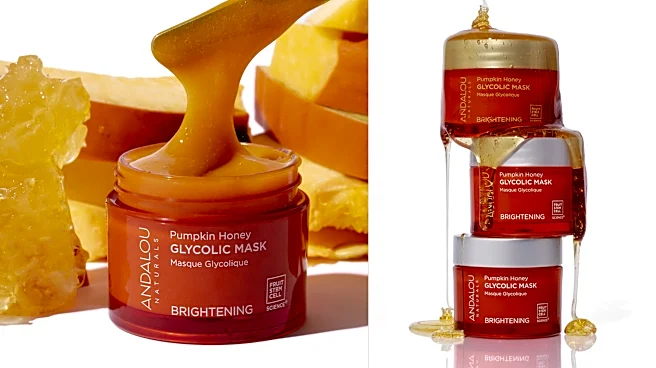






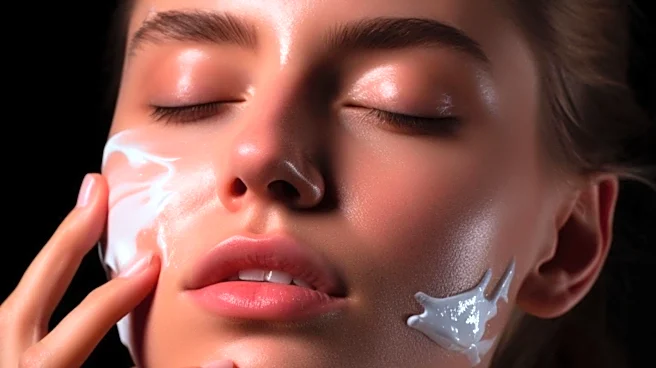

Ever slathered honey on your face? For one TikTok user, who posted herself drenched in the sticky substance, a "honey mask cures all."
"I'm telling you tomorrow I wake up with the most hydrated, glowy skin," the user claimed, gaining 4.4 million views and counting, with viewers divided in the comments.
"DO NOT DO THIS!" one commenter warned. Another said, "Manuka honey is AMAZING for this, I swear by it."
What does an expert say? We asked a dermatologist for their reaction to the viral video.
Does a honey mask actually work?
Honey is a "remarkable ingredient that has been used for ages," dermatologist Dr. Rachel Nazarian told USA TODAY, adding it was even used in ancient Egypt for wounds and infections.
Today, research and evidence published in medical journals has shown clinically
significant impacts in wound care when using manuka honey, specifically, Nazarian said. It's even been shown to improve inflammatory conditions like eczema or atopic dermatitis.
"What makes honey so unique is that it's antimicrobial − so it inhibits the growth of bacteria, fungus and even some viruses − especially manuka honey, which makes its own unique compound to kill bacteria," she said. "It's also anti-inflammatory, and a natural humectant, meaning it pulls hydration into the skin and improves the skin barrier, which is probably why it became the topic of this viral TikTok trend."
Medical grade honey, she added, is used to improve wounds and burns, and even "combats superbugs and antibiotic-resistant bacteria."
So, while the honey bear bottle you likely have in your kitchen cupboard can help support skin health, it's less effective than the manuka variety, Nazarian explained.
Should you use raw honey for skin care?
While Nazarian supports using honey on the face, there are some caveats − including raw honey, which many TikTok commenters suggested.
"I would not support the use of raw honey, which can contain dangerous spores and make vulnerable people sick," she said. "Honey contains bee pollen and plant proteins that many people are allergic to."
Raw honey is also thick, and if it's not washed off properly, Nazarian explained, "it can actually trap dirt and clog pores, making it harder for other active ingredients to penetrate."
She also advises leaving the honey on for a shorter time than described in the viral post.
"Honey is slightly acidic, more acidic than even the natural skin barrier itself, so if left on too long (it) can irritate sensitive skin types," she said.
If someone wanted to try honey skin care, Nazarian suggests combining manuka honey with oatmeal (which is skin-soothing) and leave it on as a five-minute mask. "The risk is incredibly low" with this combo, she said.
"As much as I love the idea of a DIY natural option in skin care, there are much easier and safer options than slathering honey on your face daily," she said. "When in doubt, ask your board-certified dermatologist for tips to hydrate your skin efficiently and improve your skin health in the safest − and least sticky − way possible."
This article originally appeared on USA TODAY: Honey on your face? Expert weighs in on viral skin care hack