





WASHINGTON – The Trump administration is proposing to stop counting immigrants without permanent residency status in the Census, which is conducted to determine state representation in Congress and the distribution of federal funds.
The Census, which is administered every 10 years and is next set for 2030, is also considering asking about each respondent’s citizenship, a departure from past practice, which could discourage the participation of immigrants.
The Census might also remove questions about race, ethnicity and sexual orientation from its short-form questionnaire. The stated purpose would be to encourage more people to fill out the forms without fear of having their privacy violated.
The Commerce Department, which oversees the Census, is
seeking comment on the proposals for 30 days after publication, which is scheduled for Sept. 10.
The Supreme Court blocked the addition of a citizenship question during President Donald Trump's first term. The latest proposal cites legal decisions and policies to justify the various changes.
Census disputes have wide-ranging implications. The population count determines how many House seats each state gets in Congress, which carries huge influence. The count is also used to distribute many forms of federal funding.
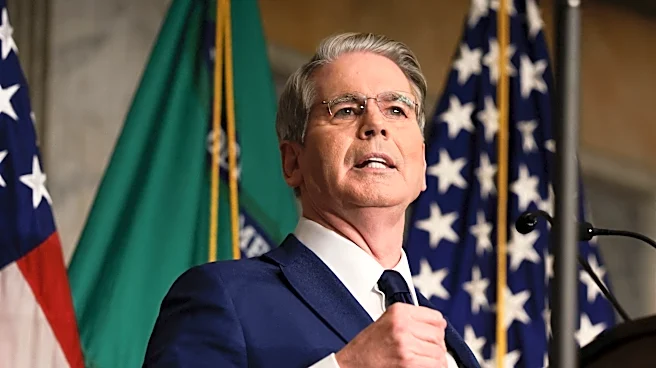
The proposed changes are "disastrous," and could touch "all aspects of society," according to Rob Santos, the former director of the U.S. Census Bureau appointed by President Joe Biden.
"Taking away that race and ethnicity question is going to do considerable damage to the ability to do local community engagements or local community assessments of what the community needs are, economic explorations about where to put a factory in and what types of population," Santos told USA TODAY.
The Commerce Department didn't respond to a request for comment.

Census proposes to stop counting undocumented immigrants for House seats
The Census acknowledged it has long counted foreign citizens as part of determining how many House seats each state deserved. But the proposal noted numerous legal challenges and opposition within the first Trump administration to counting undocumented immigrants.
The Constitution's 14th Amendment calls for the Census to determine House seats by counting the "whole number of persons in each state," not including Native Americans who were not taxed. But the proposal echoed arguments from the Trump administration against a provision in the amendment granting citizenship to nearly all babies born in the United States. The Supreme Court ruled in June against a Trump executive order that aimed to restrict birthright citizenship.
The Census proposal argued that immigrants without green cards, or permanent residency status, have insufficient ties to the country to qualify as "true inhabitants" or having a "usual residence" to be counted in the Census. The proposal aimed to exclude undocumented immigrants "whose legal status is less durable and indefinite in length than lawful permanent residence status."
The effort could have "earth-shattering" effects, leaving cities and states that have relatively large immigrant populations with insufficient federal aid and political representation, said Meeta Anand, senior director of the census and data equity program at the Leadership Conference on Civil and Human Rights.
Census data "undergirds so much of our democracy and our society," Anand said. "So you'll start seeing a very inaccurate picture of our country, and then we're making political decisions, business decisions, investment decisions based on data that are flawed."

The Census seeks again to ask about citizenship, which the Supreme Court has rejected
Besides asking about citizenship, the Census is considering using its broad access to government records to help determine a person’s legal status.
The records include data from the Treasury Department, Department of Health and Human Services, Department of Homeland Security, State Department, Defense Department, U.S. Postal Service and from third-party organizations.
“The Census Bureau is considering how best to distinguish between foreign citizens in the United States who are counted for apportionment and those who are not counted for apportionment,” the proposal states.

The Census could drop demographic questions about race and ethnicity
While seeking more information about nationality, the Census, which has asked about demographics since 1790, proposes to drop questions about race, ethnicity and sexual orientation.
The proposal cited Trump’s executive order seeking to end “diversity, equity, inclusion, and accessibility” programs and activities in the federal government, which he called “radical” and “wasteful.”
A 2023 opinion from Supreme Court Justice Clarence Thomas, who is Black, cited in the proposal described race as a “social construct” based on “ephemeral, socially constructed categories” that “are little more than stereotypes.”
Asking such questions tends to reduce the number of responses. But dropping the questions could boost responses without risking privacy violations.
“Excluding such questions from the decennial census in this manner would reduce response burden as well as the risk of disclosure,” the proposal states.
But removing the question to increase responsiveness to the Census "doesn't make sense, given the simultaneous inclusion of a citizenship question which the Census Bureau's own researchers have shown would decrease participation," Santos said.
Santos warned that the proposals could have public health effects, complicating the tracking of "certain diseases by subgroup and you can better then attend to helping people."
Contributing: Reuters
This article originally appeared on USA TODAY: Census proposes to stop counting undocumented immigrants for House seats