


This isn't what Charlie Bucket signed up to see. This isn't what fans of Gene Wilder signed up to see.
Netflix has, for some reason and for some unknown audience, taken classic family film "Willy Wonka and the Chocolate Factory" and turned it into a reality show. Yes, reality TV. A competition, no less.
"Wonka's Golden Ticket" (now streaming) is an unholy combination of "Big Brother," "The Amazing Race," "Squid Game" and a micro-dosed fever dream. And as if that weren't bad enough, the streamer has made this boondoggle worse by using an AI-recreation of the voice of one of the greatest actors of a generation, back from the dead and reduced to a soulless, faceless reality TV host, like a disembodied Julie Chen minus what little charm she has.
That's
right, the voice of Gene Wilder, zombified and stripped of the man who made generations laugh and gasp, is narrating a reality show.
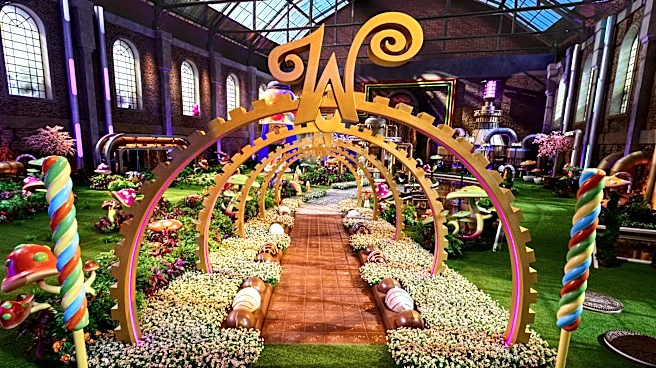
"Wonka's Golden Ticket" features pairs of loved ones who enter a real-life Wonka chocolate factory to vie for "a lifetime supply of money" ($100,000 a year for 30 years, a real bold assumption on Netflix's part that the streamer will be around in three decades).
Alongside oompa-loompas and candy trees, they compete in ridiculous challenges (like being stuck in a life-sized gum ball) for a chance to vie for the prize. And they talk about "Wonka" as though it's a real person, not a computer-generated mimicry of a great man.

"Wonka's Golden Ticket" is a travesty of a show even before Wilder's voice shows up, it need not be said (but we'll say it anyway). And it is hardly the first piece of entertainment from Hollywood to bring back the voice or image of a beloved real-life figure after their death. A 2021 documentary about Anthony Bourdain that created an AI version of the late chef's voice drew intense backlash, including from his widow.
Recreating famous voices with the technology is not always something to be decried − Val Kilmer was able to give his "Top Gun: Maverick" character a voice in the 2022 film after the actor lost his own ability to speak. And of course, "Ticket" is quick to put up text reassuring the viewers that Wilder's estate approved the recreation of his voice for the show.
But the approval of the estate doesn't really make it any less icky for fans who are staunchly opposed to this kind of digital rapacity. It doesn't make hearing a two-time Oscar nominee and veritable national treasure addressing reality show contestants like they're best robot friends any less ghoulish. It's skin-crawling. It's inappropriate. It's disrespectful. As the young people say, it's "giving the ick."
Wilder was a warm cultural figure made famous a dozen times over, including for his role as Willy Wonka in the 1971 adaptation of Roald Dahl's "Charlie and the Chocolate Factory" children's novel. His idiosyncratic performance style, the unique nature of his voice, both literal and figurative, is what made him so beloved and cherished by audiences for his 40-year career (Wilder died at age 83 in 2016).

We don't know what he would have thought about AI, but many of his peers in Hollywood have been staunch opponents of the adoption of the technology, particularly in the creative arts. And while there's plenty of worthy reality TV out there in the world, "Ticket" isn't on that list. To use this distasteful technology for something so inherently trashy and base only adds to the insult.
The bland contestants on "Ticket" may try their best to pretend that they have had a lifelong dream of visiting a fictional chocolate factory, the show may do its best to pretend it's more than a spurious extension of a familiar title, but neither the producers nor contestants can convince me it was worth disturbing Wilder's legacy and memory for cheap thrills.
Let the dead lie, in real life and in our stories.
This article originally appeared on USA TODAY: Netflix 'Wonka' show recreates Gene Wilder's voice with AI. It's skin-crawling.