


Just get it right.
We’ve heard that mantra repeatedly when it comes to the merits of instant replay, needing to rule on something like a controversial catch, a dash down the sideline or plunge at the goal line.
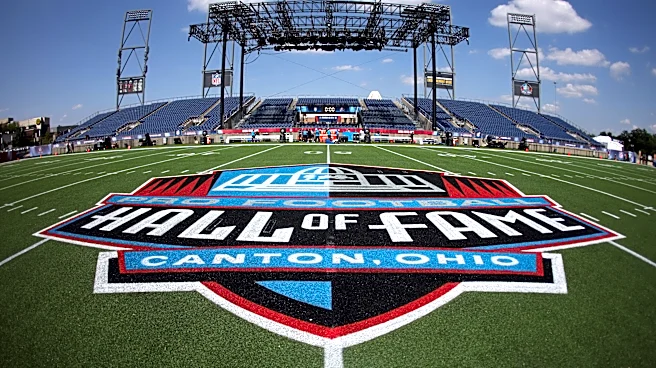
Well, with the massive overhaul of the process for selecting who gets a bust in Canton, it’s obvious the brain trust at the Pro Football Hall of Fame is singing a similar tune.
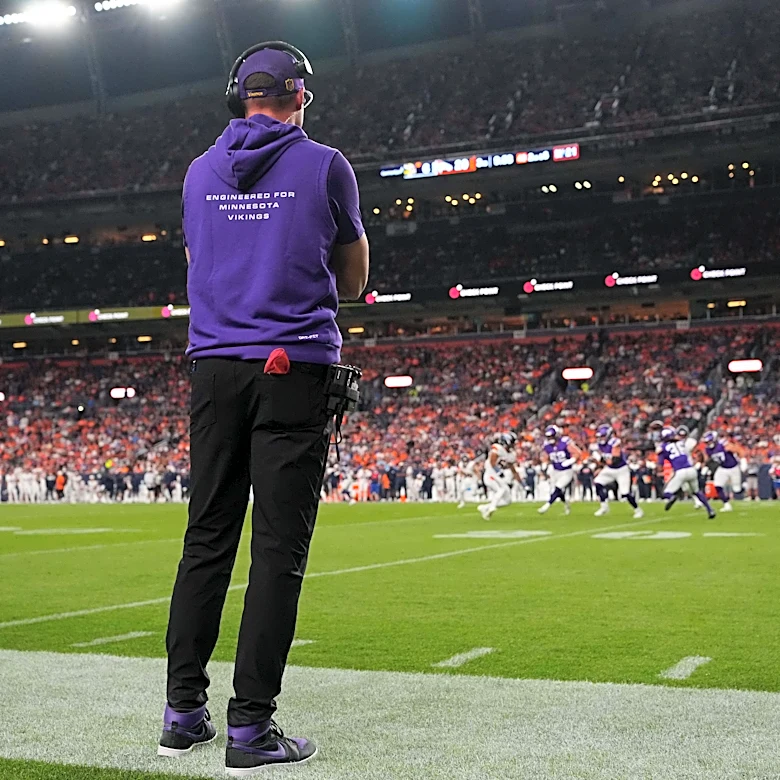
Is this all about Bill Belichick? Not totally.
Certainly, the heat on the Hall was intense earlier this year when the coach with six Super Bowls on his resume (in addition to Spygate) was bypassed for first-ballot election. Amid the furor, Jim Porter, the Hall’s executive director, indicated that a comprehensive review of the process would ensue.
And so it is finished,
with the stunning results revealed on Friday.
The selection committee, of which I’ve had the privilege of serving on for 29 years, has been cut in half. The seniors category is history. The charge for many selectors to represent a specific team has been scrapped.
The intent is for a cleaner process with rules that are better defined. And the Hall’s brain trust came out of an exhaustive, deep dive into the process hoping, too, that unintended (or not) biases will be scrubbed. All told, the Hall couldn’t stick with the status quo.
We’ll see what gives.
Impact of Bill Belichick snub
No, this wasn’t all about Belichick. For better or worse, some of the changes have been in the wind of discussion for at least a couple of years. But the coach’s omission exposed one serious flaw that frustrated selectors and signaled the need for a fix.
When we considered Belichick as the finalist from the coaches category, he was placed in a pool with a contributor finalist (Robert Kraft, again) and three seniors finalists: Ken Anderson, Roger Craig and L.C. Greenwood. Of those five, voted on separately from the modern-era players, we were allowed to vote for three.
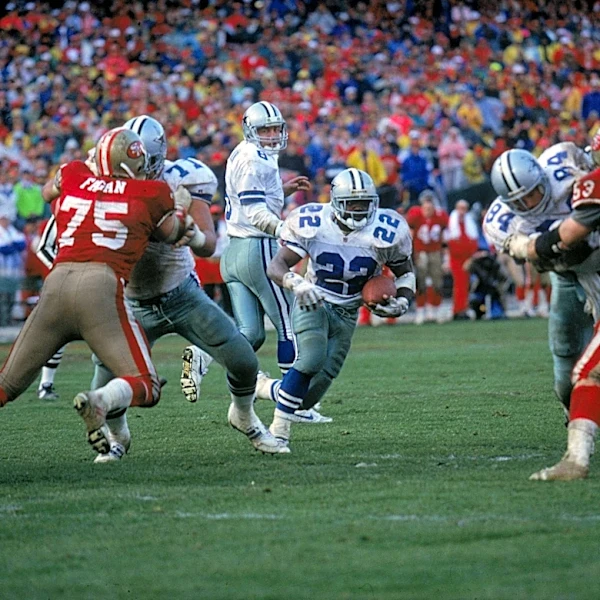
Well, we saw what happened. Craig, bless him, was the only one to garner the 80% needed for election. (The previous year, seniors candidate Sterling Sharpe, was similarly the only one to get in from a block of five).
The problem? Interpretation and action. Belichick, and presumably Kraft, his former team owner with the Patriots, lost votes that went to seniors. Apparently, at least for some voters, there was sentiment to cast votes for seniors because their chances diminish with each year while swimming in an expanded pool. At least one voter publicly admitted that dynamic influenced his vote.
Then again, the voters are human beings with freedom of choice. Sure, the instructions were to vote for the most “worthy” candidates. But who determines most “worthy?” Humans, not robots. It comes down to interpretation.
For the record, in that three-of-five block I voted for Belichick, Kraft and Craig.
Yet, if a voter opted to vote differently – and many did – because they concluded a player who waited 70 years was more worthy, that was allowed. It’s a committee. So, as crazy as it seemed to me that Belichick, and then Kraft, didn’t get in, or that time in the queue is a key factor, the process allowed for it.
What's old is new
And guess what: With the new system, the process will allow for either-or scenarios as well, albeit with a different twist. Belichick, assuming he’s the coaches finalist again – with Mike Shanahan, Mike Holmgren and Tom Coughlin deservedly in the mix that will extend over the coming years – will be considered with the contributor finalist and 13 players during the marathon in-person meeting that will determine the next class.
Never mind the idea that some voters could hold some bias and vote only to advance players. If the coach is “worthy” enough, it shouldn’t matter. When Bill Parcells, Tom Landry, Chuck Noll, Don Shula and Joe Gibbs were elected as coaches, they were on the same ballot with the players. They didn’t need a secondary ballot.
That’s the essential job of the committee. Do the research. Have discussions. Put it in context. Make the hard decisions. For any and all categories.
I’m guessing there will be consternation from some thinking that seniors (or previously categorized seniors) are getting a short shrift. Hey, recency bias is a real thing, which is maybe why we see an increasing influx of first-ballot Hall of Famers. And sometimes, candidates slip through the cracks for many years before election.
Yet maybe there’s a reason, too, that some candidates didn’t get inducted after 20-plus years on the ballot. Other candidates during that same time span were deemed more deserving of the honor. At least now, the argument that someone should be elected in the final year of eligibility as a “modern-day” candidate has gone by the wayside. With no timing deadline in that regard, a candidate’s case won’t hinge on that factor.
Besides, just because someone made, say, the All-Decade Team in the ‘40s, ‘50s or ‘60s, it doesn’t mean they’re a Hall of Famer when compared to others who came later. Sure, that can get sticky. Yet we were supposed to clear up the most egregious cases during the Centennial Class of 2020. While I loved that Duke Slater, whose final season was in 1931, was part of that class – along with Mac Speedie (1952) and Ed Sprinkle (1955) – the lion’s share of players from those early years have had decades to be considered.
Sure, with 19 seniors selected over the past seven years, there are still cases to be made. That’s the job of the committee. It can still happen, if the cases merit as much. Having three seniors finalists each year, though, apparently didn’t mean that three seniors each year would be deemed as most worthy.
Team experts still welcome
One other change to note: Just because there’s no longer a selector designated to represent a specific team doesn’t mean a selector who is more familiar with, say, the Packers because that’s the team he has primarily covered, doesn’t mean that selector is suddenly barred from lending expertise on a candidate that he is deeply familiar with.
We want that expertise shared with the committee. That’s the lifeblood for discussions we’ll again have in person for the marathon selection committee meetings, but a selector is no longer compelled to carry the torch because they’re the team rep.
I mean, what if a selector is charged to present the case for, say, an Eagles receiver, when in their heart of hearts they believe that players are more deserving from other teams? I think that’s the unintended bias the Hall is trying to eliminate.
We’ll see how this all shakes down. One thing seems certain to come with the massive overhaul: intense scrutiny of the process.
Especially if we don’t get it right. Which, of course, is a matter interpretation.
Follow Bell on X: @JarrettBell
This article originally appeared on USA TODAY: I'm a Pro Football Hall of Fame voter. Stunning changes were necessary | Opinion