




From grounded flights to frozen bank accounts, why does it seem like everything is breaking at once?
First, millions of office workers lost access to their email. Next, the nation's skies went quiet. Then, a wave of customers trying to send money through Zelle were met with error messages.
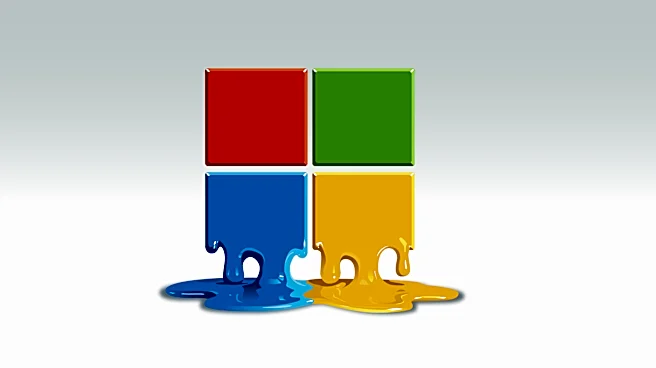
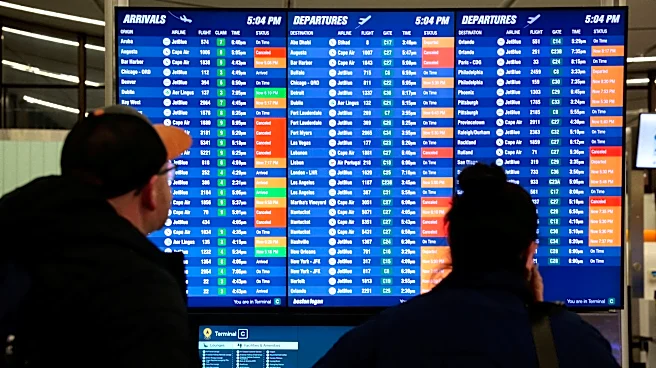
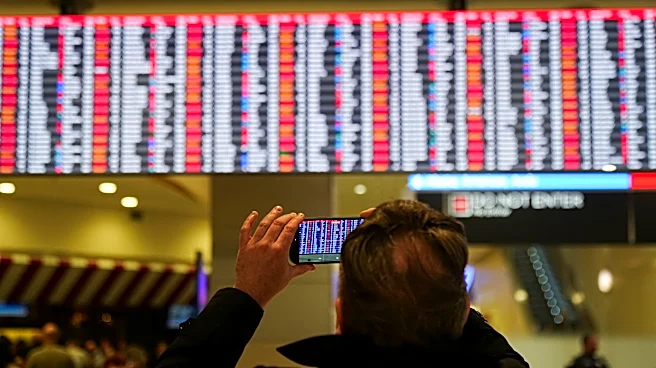
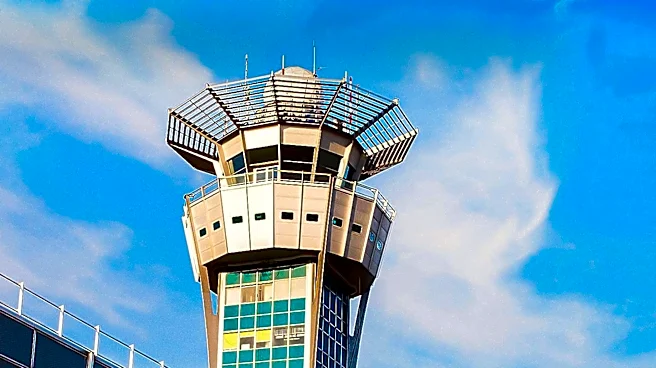
In just five days, a rapid succession of high-profile technology failures has left consumers rattled. The Federal Aviation Administration was forced into a rare nationwide ground stop while Microsoft’s ubiquitous office software went dark. Now a software bug has hit banking.
Public anxiety coursed through social media. "So are we just pretending like it's normal that all of the mainstream banks are down today? After Microsoft? And planes? And..." one TikToker
posted.
"Can y'all wake me up when this timeline is over?" added another.

The good news: No sign of a cyberattack
First, the reassuring news. Patrick Moorhead, founder of Moor Insights & Strategy says there is no evidence of a coordinated cyberattack and "nothing is falling apart."
Instead, these compounding outages highlight a deeper structural vulnerability: How heavily our critical infrastructure relies on highly concentrated systems. "When one piece fails, it fails at national scale," Moorhead said.
Modern technological systems are so complex and tightly interwoven that a single error can snowball instantly, wiping out essential services, according to Mike Chapple, a professor at the University of Notre Dame.
The FAA outage, for example, was triggered by either a faulty component or an installation error by a government contractor during a modernization project. That single mistake flooded the air traffic control network with data, crippling nationwide infrastructure, Chapple said.
Meanwhile, the Microsoft outage was caused by a dormant software bug that had lingered undetected since July. Last week, "conditions were just right to activate the bug, triggering a cascade of failures that knocked thousands of systems offline and hindered repair efforts," he said.
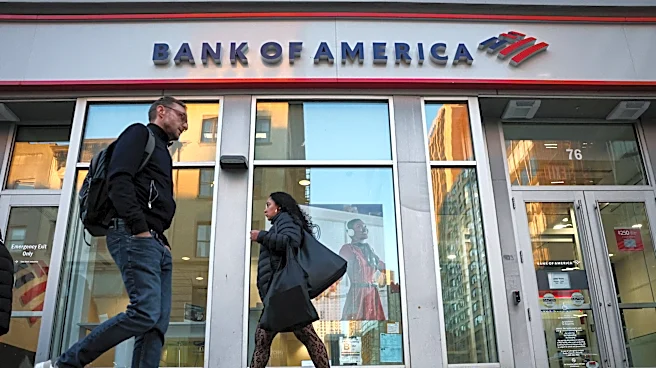
While the exact cause of the banking disruptions remains unclear, Chapple speculated it is likely a technical issue in shared payment networks. Chase said it experienced a temporary issue related to a software bug.
The catch? Routine changes cause massive ripples
American consumers are right to be frustrated, said Daniel Newman, CEO of Futurum Group. "Increasingly, there is a lack of clarity to consumers around why outages are happening and how they are being remedied," Newman said.
Any vulnerability in these crucial systems is cause for major concern, says Mitch Ashley, vice president and practice lead at the Futurum Group. "Daily life runs on a small number of systems and a failure in one now reaches millions of people at once," he said.
What's more, the recent spate of incidents while unrelated point to a common issue, said Virginia Tech professor Ali Butt. A "routine change" set each one off, he said.
"Microsoft’s outage has been linked to a network configuration change and the FAA ground stop was traced to a maintenance upgrade on a single router. Imagine that, a single component in a sea of thousands or more components," Butt said. "In tightly connected systems, a small change made without fully mapping its downstream effects can spread far beyond where it started."
Will outages get worse? Likely
The bad news is that our dependence on massive-scale technology is only growing. Experts warn we should expect these failures to happen more often and hit harder.
"Should people panic? No. Should we ask for better engineering? Yes," Butt said. "That means testing changes for their downstream impact, rolling them out in stages, isolating faults and setting clear policies for systems the public depends on."
This article originally appeared on USA TODAY: FAA, Microsoft, banks: Why it feels like everything keeps breaking