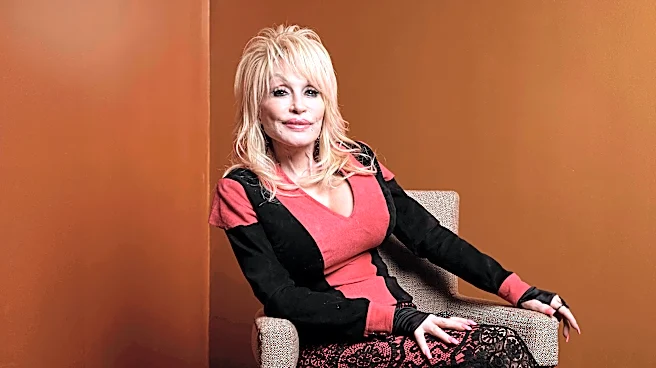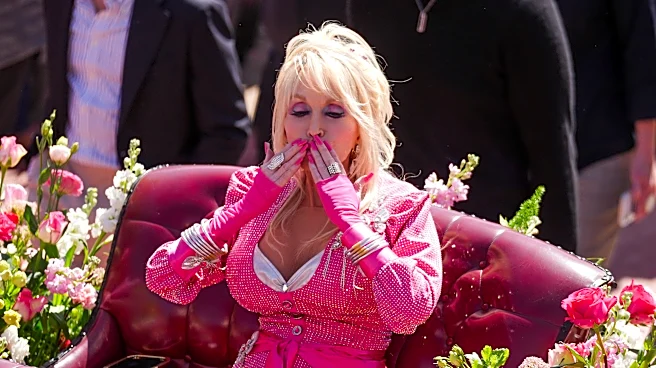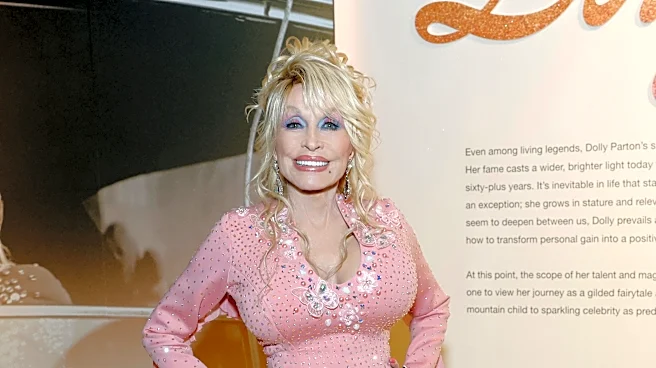

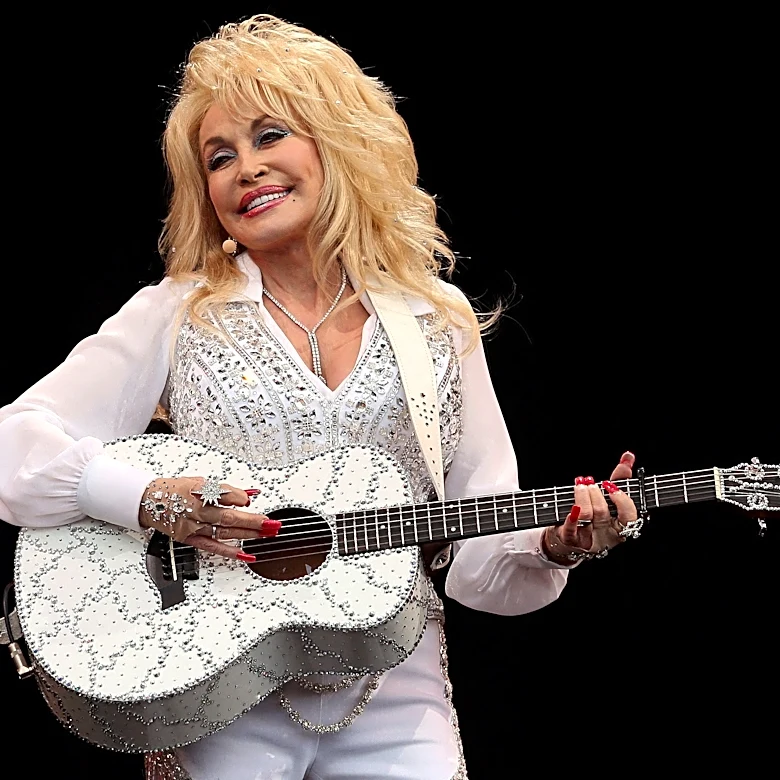
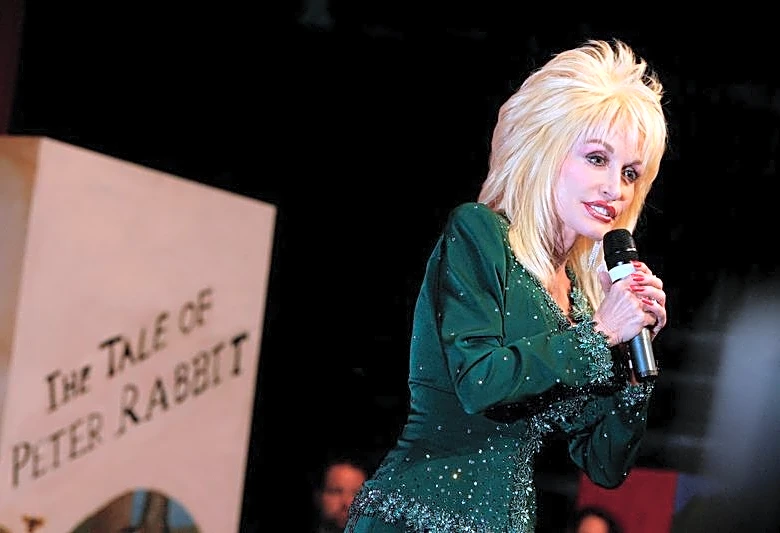


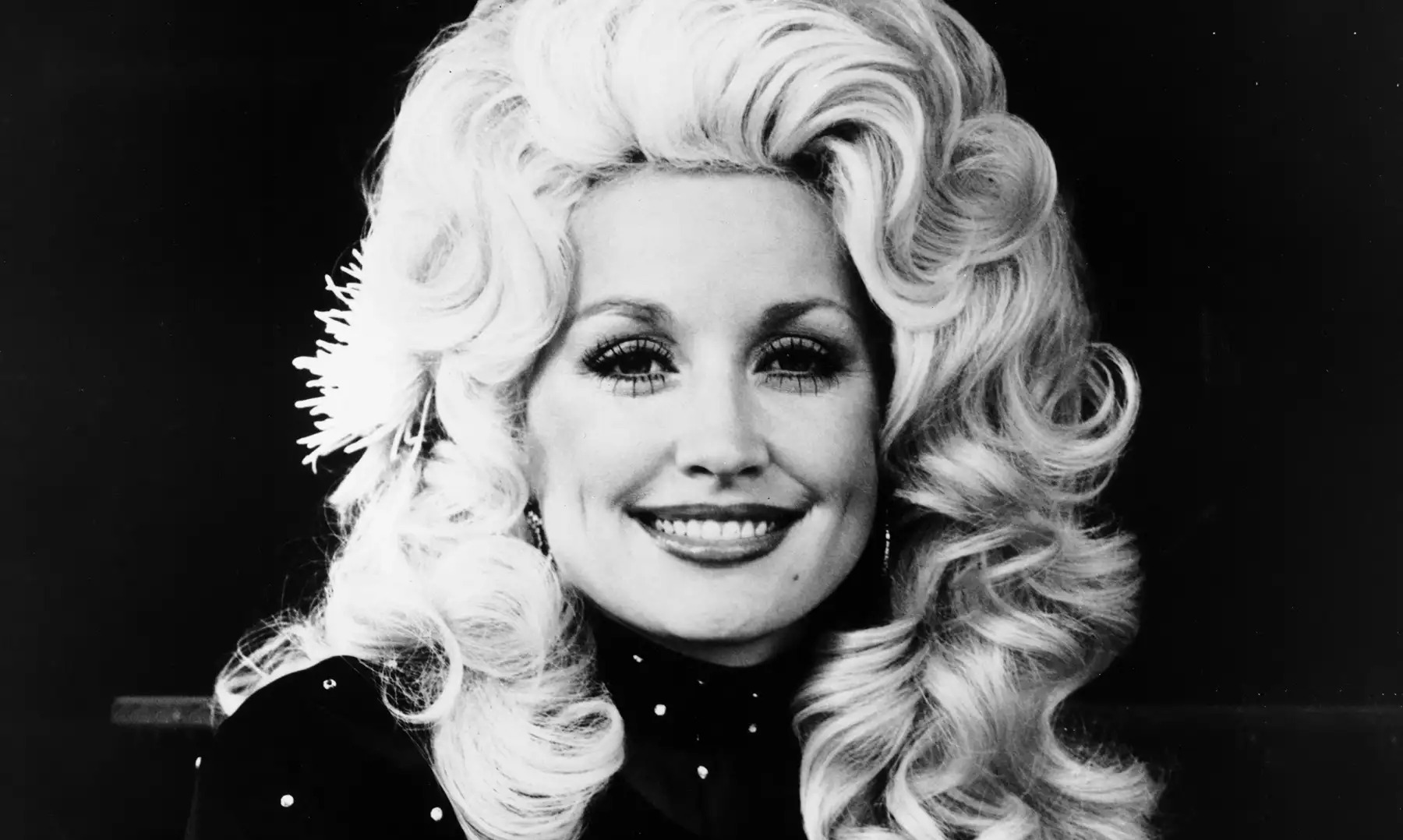
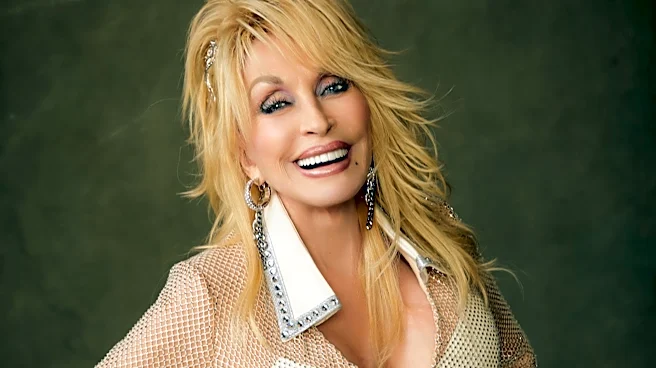
Dolly Parton took an adage about perseverance and made it her own.
“The way I see it, if you want the rainbow, you gotta put up with the rain,” she said throughout her career, most recently in a May social media post.
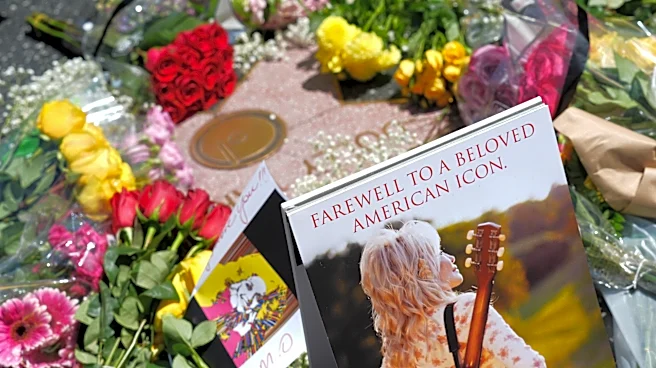
Parton continually endured the seesaw of rainbows and rain throughout 80 years of an extraordinary life that ended Aug. 25.
Smalltown daughter of a farmer and homemaker who cared for a dozen children in a cabin without electricity.
Awards-and-rhinestone-laden superstar with an arsenal of hit records, a string of memorable movie performances, her own theme park, business empire and philanthropic passions.
Parton was the standard-bearer of a dissipating breed of superstar. Whether it was her music – honest to its core – her sunny disposition,
candid observations or sheer adorability, Parton escaped labels and defied political partisanship.
It doesn’t take much for people to disagree and share those opinions vociferously. But even if you didn’t have an appetite for Parton’s music or appreciate her brand of sassy yee-haw chic, how often did you hear anyone disparage Dolly Rebecca Parton?
She could charm Johnny Carson and David Letterman alike. Break though on “The Porter Wagoner” show in the ‘60s and ‘70s and quietly work as a producer on “Buffy The Vampire Slayer” in the ‘90s and ‘00s.
Be a spiritual person who sings about Christian faith and support theLGBTQ community with her approval of same-sex marriage.
Donate $1 million to COVID vaccine research during the pandemic and still somehow manage in death to broker common ground between President Donald Trump and former President Barack Obama, who both shared messages of sympathy upon news of Parton’s passing. Trump also ordered flags to fly at half-staff through sunset Sept. 1 in Parton's honor.
Dolly Parton maintained privacy until the end
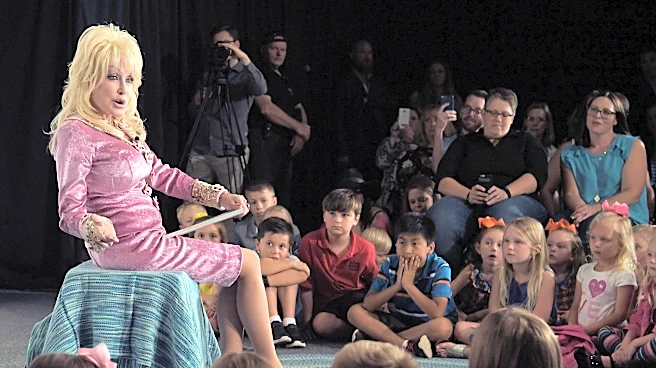
There were so many things to admire about Parton. Her philanthropy through her Dollywood Foundation and Imagination Library. Her unapologetic style and sense of self. Her peerless ability to weave a story with keen observational skills and a guitar. Her onscreen magnetism in films that never required her to play more than a modified version of herself, whether it was warmth or comedy, because she oozed both.
But for as much as Parton shared of herself with the public, she kept her private life padlocked. Her nearly 60-year marriage to Carl Dean – who died in March 2025 – was notable for how much we didn't know about the couple. Photos of the twosome were almost nonexistent. When asked about Dean in interviews, Parton usually demurred with a polite, crafted response about his unflagging support.
And while Parton did share in a 2003 Rolling Stone profile that after a 1982 surgery for “female problems,” she was unable to have children, she also admitted that her and Dean’s choice to not become parents earlier in their marriage meant she could dedicate herself to her career, a notion that is sneered at even today, but never produced backlash for Parton.
That same dedication to secrecy – even more impressive in a world where TikToks and tabloids conspire to demolish any celebrity – was employed this last year of Parton’s life. The cancellation of her anticipated Las Vegas residency in May, coupled with Parton's sister sending out an SOS for prayers, stoked uneasy thoughts. Could Parton’s illness be more serious than kidney stones and exhaustion? In some way, we all knew it was. But no one wanted to envision a world without her, so we shoved those thoughts into the next news cycle.
But never a word was leaked about her indeed more serious illness. Nor her hospital stay in Nashville, where she died after what her team called a “brief battle with cancer.”
Even the gossip vultures respected Parton.

Dolly Parton was more than a musical role model for young women
It’s impossible to canvas the landscape of female country superstars and not notice Parton’s fairy dust sprinkled across so many of them.
Would Shania Twain and Faith Hill have been accepted by the pop music conglomerate without Parton stepping into the Top 10 of the Billboard Hot 100 in 1978 with “Here You Come Again,” then returning with “9 to 5” and her iconic duet with friend Kenny Rogers, “Islands in the Stream”?
Would the astute songwriting of Kacey Musgraves and Lainey Wilson – both of whom have professed eternal adoration of Parton – flourished without Parton’s musical imprint?
Would Taylor Swift have witnessed a role model of epic business savvy, a woman who branded cake mixes, cookware and cosmetics, and also told Elvis Presley to take his blue suede shoes out the door when his team wanted him to record Parton’s “I Will Always Love You” and also to take half of her publishing royalties? That decision later earned Parton more than $10 million in royalties, according to Forbes, after Whitney Houston broke records with her enduring version of the ballad.
In her comments about Parton’s death, Swift praised the icon for her music that “thawed even the coldest hearts,” but also for her “backbone of steel to defend her own self worth as an artist” and “for the tightropes she walked so that young girls like me could grow up dreaming of joining the circus, too.”
Of course, Swift and her music peers likely would have found their way, even without that paradigm of moxie known as Dolly Parton. But how much sweeter it was that they had her rainbow as their guide.
This article originally appeared on USA TODAY: Dolly Parton's death marks the end of an extraordinary era