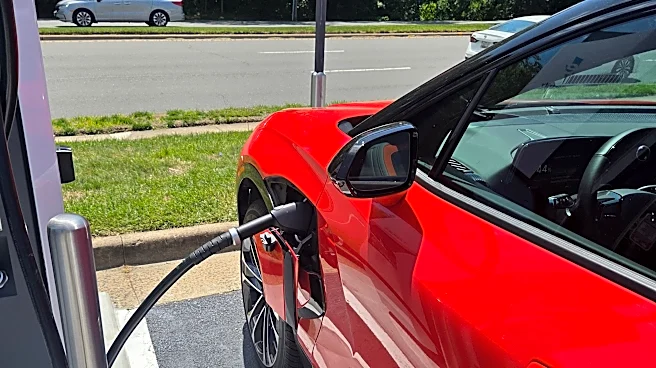





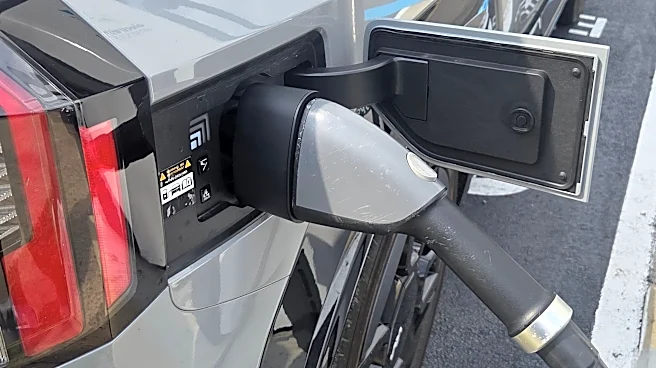


Electric car owners are being spared an annual fee to help pay for roads as soon as next month because the bill containing the fee has stalled in Congress.
A new proposed EV fee that will start at $130 annually beginning in October 2026 was included in a new bipartisan draft of a five-year surface transportation funding bill that the U.S. House Transportation and Infrastructure Committee is considering. Under the proposed legislation, dubbed the BUILD America 250 Act, the fee can be increased by $5 each year until it hits a max of $150 annually. Plug-in hybrid owners would be hit with a $35 fee starting in October that can be increased to as much as $50 by the end of the legislation in 2031.
The proposed fee was lowered from a earlier proposal
that would have started at $135. It included in a larger bill to reauthorize surface transportation funding that is set to expire on Sept. 30. The measure was approved by the House Transportation and Infrastructure Committee, but has not been approved by the full House or Senate. The last transportation funding measure approved by Congress was signed into law by former President Joe Biden in 2021.
With progress on the larger transportation bill that includes the proposed EV fee stalled, Congress passed a temporary extension of federal government funding that extends spending until Dec. 11, according to the American Association of State Highway and Transportation Officials (AASHTO), a nonpartisan and nonprofit organization that advocates for consistent transportation funding.
AASHTO said the temporary transportation funding bill allowed lawmakers to "prevent a federal government shutdown on October 1 and continue Highway Trust Fund programs and annually appropriated general fund programs" at the 2026 fiscal year levels until the new December deadline.
That means EV drivers won’t have to begin paying the proposed national fee on Oct. 1.
The USA TODAY Cars team examined why Congress is considering an EV fee and what it could mean for EV owners.
Why is Congress considering adding an EV fee?
The federal government currently collects 18.4 cents per gallon on every U.S. gasoline purchase to help pay for road and transit construction projects, and most states also tack on their own fees. EV drivers don’t pay that tax because their vehicles don’t use gasoline.
The money goes into the U.S. Department of Transportation’s Highway Trust Fund and is then distributed to states to help pay for road and transit construction projects. As cars have become more fuel-efficient and more drivers have opted for EVs and hybrids, less money per mile driven has been collected despite increased use of roads. Lawmakers have looked for ways to close that growing gap in federal gas‑tax revenue.
The federal gas tax hasn't increased since 1993, and it brings in about $40 billion a year at its current level, according to the Tax Policy Center. President Donald Trump and some lawmakers in Congress have recently proposed suspending the federal gas tax as the average price of gas hovers around $4.50, according to the AAA Auto Club.
The federal government typically spends about $60 billion on transportation projects, and infrastructure advocates say that amount is just enough to maintain the nation's roads and transit systems. Most states also levy their own gas taxes to fund local road projects.
Supporters of the proposed fee say it's time for EV drivers to contribute to the fund that helps pay for the upkeep of the roads they use. Rep. Sam Graves, a Republican from Missouri who chairs the U.S. House Transportation Committee, said in a statement that the EV fee "ensures that electric vehicle owners begin paying their fair share for the use of our roads."
Rep. Rick Larsen, a Washington state lawmaker who is the top Democrat on the panel, said the bipartisan highway bill agreement represents "a commitment to bipartisan lawmaking means finding compromise."
How would the new EV tax be collected?
Electric vehicle owners would have to pay the new fee when they register their cars. The proposal differs from other ideas that have been floated to replace gas tax money that isn't collected from EV drivers.
Vehicle-miles-traveled, or VMT, programs tax drivers based on miles they drive on U.S. roads instead of how much gasoline they purchase.
Mileage-based road tax proposals have long been controversial in U.S. transportation funding debates because critics question how the government would monitor drivers' traveling habits without infringing on their privacy.
Supporters of the current highway bill draft note that unlike previous mileage-based highway fee proposals, the current EV tax proposal would involve no tracking or reporting from drivers about their travels. EV owners would simply pay the $135 annual fee upon registering their vehicles each year.
What would the new fee mean for EV owners?
Electric vehicle owners save an average of about $8,811 in ownership and maintenance costs over 200,000 miles compared with owners of best-selling gas-powered vehicles in the same class, according to Consumer Reports.
A driver who opts for a new or used EV could save $2,200 annually on gas, according to the U.S. Department of Energy. Hybrid drivers can save $1,500 on gas each year, according to the agency.
A new $135 annual fee for EV drivers could eat into those savings. EV supporters have argued that additional annual fees increase the cost of owning an electric vehicle.
When state lawmakers in South Carolina were considering a new user fee for EV owners of 4.5 cents per kilowatt-hour on electricity consumed at publicly accessible charging stations, the Electrification Coalition, which lobbies for EV-friendly policies, said in a February 2026 statement that the state's proposal "imposes significant additional costs on EV drivers without increasing the state gasoline tax."
Keith Laing is an automotive reporter on the National Trending Desk at USA TODAY. Contact Keith at klaing@usatodayco.com.
This article originally appeared on USA TODAY: EV drivers get reprieve on annual fee. But it might be temporary