




The Department of Health and Human Services is committing up to $4.9 million over five years to advance a psychedelic drug as a potential treatment for post-traumatic stress disorder and other serious mental illnesses, particularly among veterans, it announced on Thursday, Nov. 12.
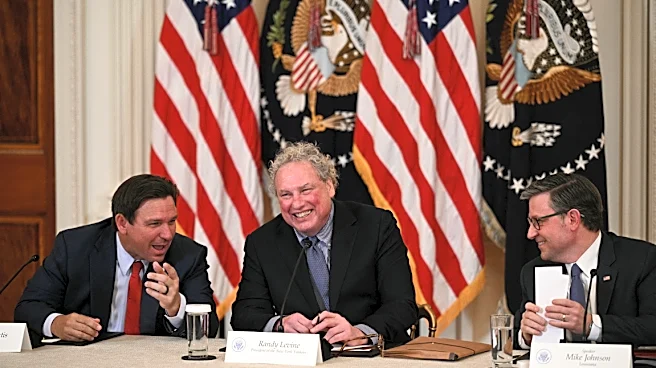
The funding through the Advanced Research Projects Agency for Health (ARPA-H) will support regulatory and manufacturing groundwork for future studies of ibogaine, a fast-acting psychedelic. Mark Cuban Cost Plus Drug Co. and Beond Inc. were selected to lead portions of the work, and all research findings will be made public.Additionally, the National Institute of Mental Health launched a $20 million funding opportunity for a research network studying other emerging
psychedelic therapies, including ketamine, esketamine and psilocybin.
Ibogaine remains unapproved by the FDA, though it has shown promise in treating symptoms of post-traumatic stress disorder, brain injury and addiction. It carries potentially life-threatening cardiac risks, said the announcement, but the government is seeking to determine whether the drug could offer a new option for veterans and others with serious mental health conditions.
“Veterans kept their promise to this country. We must keep ours,” Health Secretary Robert F. Kennedy Jr. said in a press statement on Thursday, Nov. 11. “Veterans have told us ibogaine changed their lives. Their experiences demand serious scientific investigation. We will pursue the evidence, confront the risks and put affordability at the center of this work.”
Future funds will also be used to investigate the psychedelic's effectiveness in treating substance use disorder.
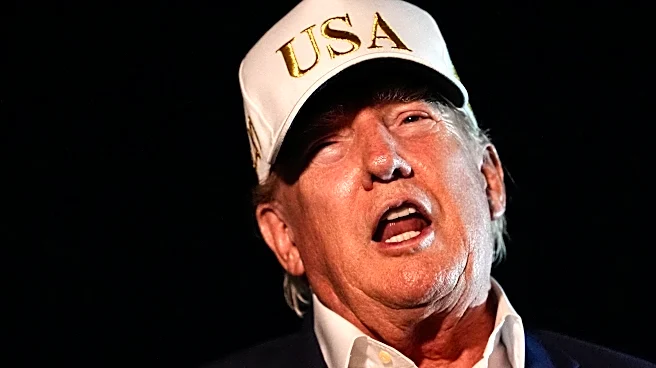
The move is part of a bigger federal push to develop psychedelic drug therapies. In April, President Donald Trump signed an executive order paving the way for more research, selecting three companies to explore, develop and test two different serotonin-2A agonists: the psychedelics psilocybin for treatment-resistant depression and major depressive disorder, and methylone for PTSD. Another company was also granted permission to begin clinical trials on noribogaine hydrochloride for alcohol use disorder.
Here's what to know about ibogaine and how it may treat PTSD and addiction.
What is ibogaine?
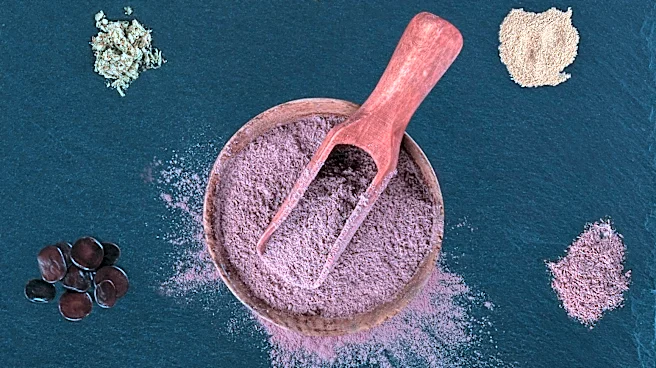
Ibogaine is a psychoactive substance that comes from plants, specifically the African Tabernanthe iboga shrub. It is considered a psychedelic, a subcategory of hallucinogenic drugs that alter consciousness, often creating what is described as an otherworldly experience. They bind to certain serotonin receptors in the brain to affect the senses and cause auditory, visual and psychological hallucinations or sensations.
Ibogaine is especially potent and produces a "trip" that lasts for several hours, often associated with "revisiting" memories formed throughout life, Dr. Martin Polanco, who has administered ibogaine therapeutically in Mexico for 25 years, previously told USA TODAY.
"Ibogaine is probably one of the strongest psychedelic medicines in existence," said Polanco, who also explained it could have uses in treating not only PTSD but traumatic brain injury. It has already been used to treat addiction for decades in other countries, including Mexico.
Some research has focused on the derivative noribogaine hydrochloride as scientists aim to explore and extract the therapeutic effects of the substance while limiting or removing components that cause the associated risks. Before the 2026 executive order, Texas allocated $50 million in 2025 for clinical research on ibogaine to develop FDA-approved treatments for several substance use disorders. It has never before been approved for testing in the U.S.

How does it help with addiction?
Ibogaine has a complex effect on the human nervous system, impacting multiple types of neurotransmitters. Scientists don't fully understand how it works in the human body, but they know it impacts the brain’s reward and pleasure system.
When administered therapeutically, it triggers the release of a natural growth factor in the brain and neural pathways associated with addiction and reward, Barsuglia said. This helps restore healthy dopamine function and reduces cravings when it comes to addiction.
It works differently from other opioid addiction-treating drugs like methadone or suboxone, which require daily dosing to be effective, he added. Instead, it appears to repair the underlying brain circuitry damaged by addiction.
"The drug's most striking benefit is its ability to stop opioid withdrawal and eliminate cravings, often after a single session, something no currently approved medication can claim to do," Joseph Barsuglia, a psychologist who has studied ibogaine for more than a decade, previously told USA TODAY.
One potential drawback is that use of the drug comes with more significant risks than other popular psychedelics, including heart issues and severe drug interactions, and can produce hallucinations and emotionally intense "trips" that last 18 to 36 hours.
"It is not a drug anyone takes for a good time," Barsuglia said.

How does it work for PTSD?
Some studies had been done on ibogaine and PTSD before the executive order accelerated interest in the U.S., including a 2024 study conducted by Stanford University and published in Nature Medicine. In it, researchers found that ibogaine appeared to reduce the symptoms of PTSD, anxiety and depression, and improve cognitive function from traumatic brain injuries in more than two dozen special forces veterans.
The 30 participants underwent a single session of ibogaine treatment via a pill, which was combined with magnesium sulfate to combat a known side effect of irregular heartbeat.
One month after the treatment, veterans saw an 88% decrease in PTSD symptoms; an 87% decrease in depression; and an 81% drop in anxiety. They also had improved cognitive results, showing better concentration, information processing, memory and impulse control, as USA TODAY previously reported.
While the study had limitations, including sample size and lack of a control group (people given a non-active pill to compare to people who got the active drug), researchers called it a promising early sign.
"Reports of successful ibogaine treatments are too promising to ignore. We owe it to our heroes and every person struggling to ask the bold questions and deliver results in years, not decades. As long as people continue to struggle, doing anything less is not an option," Dr. Al Bugazia, Senior Adviser for Special Projects at ARPA-H, said in Thursday's announcement. "We owe it to our heroes and every person struggling to ask the bold questions and deliver results in years, not decades."
What happens now?
Thursday's announcement said recipients of the $20 million NIH research award will be announced in summer 2027. The money and government support pave the way for future clinical trials and sustainable domestic manufacturing in the United States, if/when the time comes.
Having priority doesn't necessarily mean drugs will hit the market or move through the necessary trials exponentially faster. While HHS has said it is aiming to truncate the process and get potential psychedelic therapies to people promptly, it all depends on the status of clinical trials and what the data ends up showing.
If treatments are eventually FDA-approved, their availability will depend on factors ranging from insurance coverage and price to distribution and regulation.
Contributing: Eduardo Cuevas, USA TODAY
This article originally appeared on USA TODAY: US backs study of psychedelic drug for veterans with PTSD. What is it?