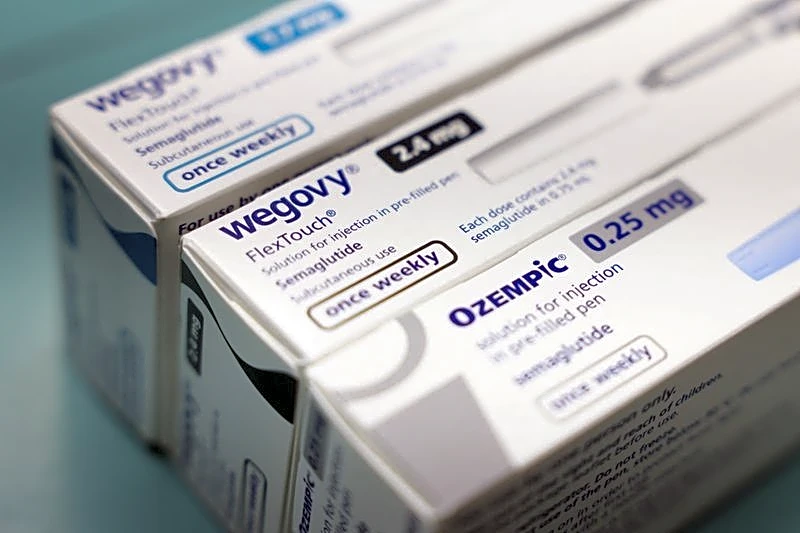




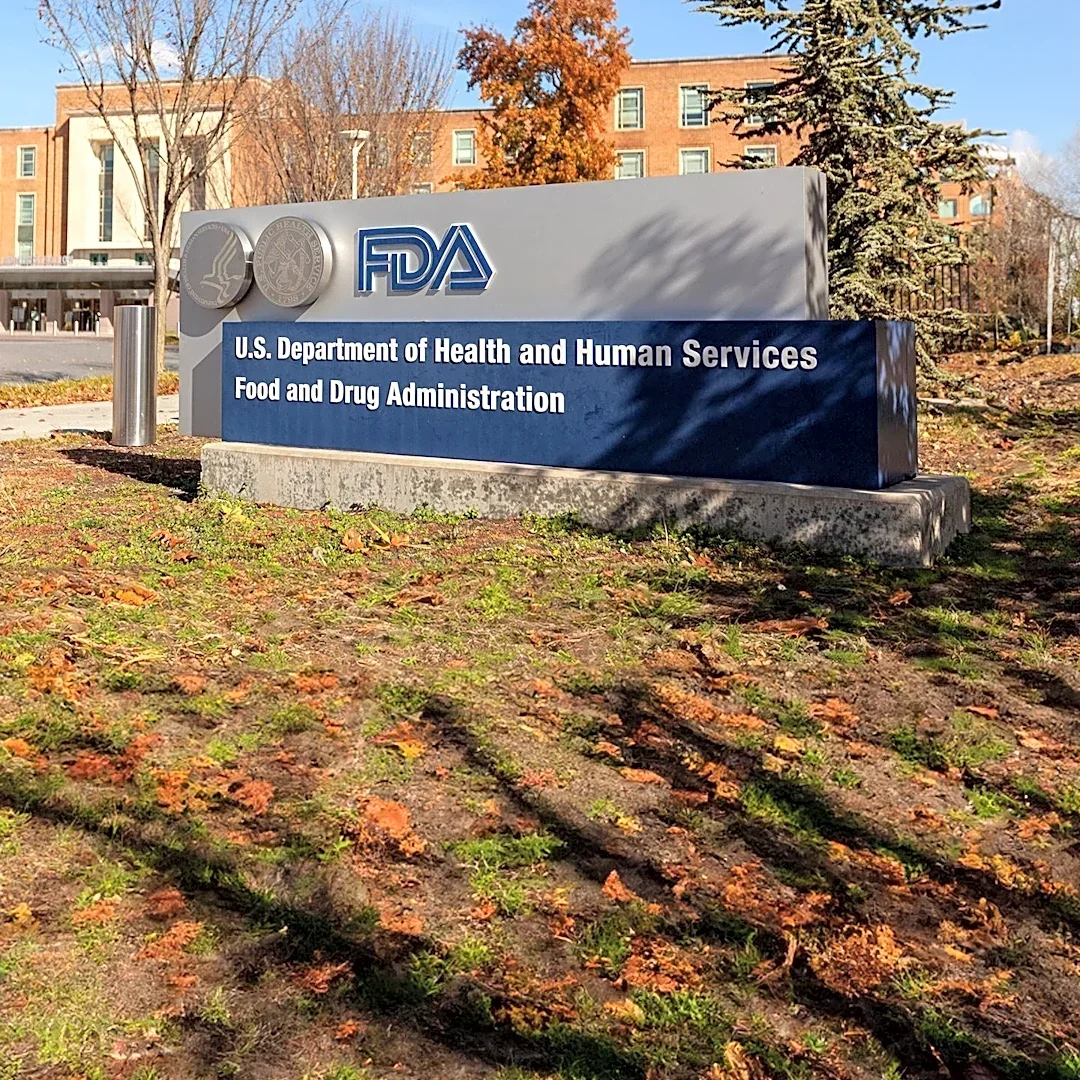


Cheaper copycat versions of the popular weight-loss drugs Wegovy and Zepbound are still being marketed to consumers.
The thriving market for "compounded" GLP-1 medications persists despite warnings from federal drug regulators, a recall announced by one company and inspections that uncovered contaminants such as mold and bugs at overseas factories.
The recent Food and Drug Administration actions and Apothecary Pharma LLC's recall of compounded tierzepatide, the active ingredient in Zepbound and Mounjaro, have raised safety concerns about these medications.
Drug safety experts stressed that compounded medications used for appropriate reasons is usually safe. However consumers should be aware of potential risks when choosing knockoff GLP-1 medications sold
through telehealth companies and medical spas, rather than FDA-approved versions.
"It's really important to understand why – why do you need a compounded version?" said Erin Fox, senior pharmacy director at University of Utah Health and an expert on drug supply chains. "If it's just for price point, than it's absolutely buyer beware because you get what you pay for."
Why are people using compounded weight-loss drugs?
Compounding pharmacies are allowed to mix drug ingredients to tailor medications for patients who might benefit from customized version of a medication. These dispensaries differ from mass-market pharmacies such as CVS and Walgreens that provide FDA-approved versions of medications at different dosages among specific patient populations.
When there's a medication shortage, compounding pharmacies are allowed to make and dispense copies of the FDA-approved drugs.
Consumers flocked to compounded versions of the popular GLP-1 medications earlier this decade when drug companies Novo and Eli Lilly struggled to keep pace with demand for their weight-loss drugs. The FDA allowed telehealth companies and medical spas to sell mass quantities of semaglutide and tirzepatide until the FDA declared shortages of those drugs ended in late 2024 and 2025.
Still, some marketers continue to sell compounded versions of these medications, drawing warnings from the FDA and lawsuits from Lilly and Novo.
Consumers have told USA TODAY they sought compounded versions of the popular weight-loss drugs because they are typically less expensive. Wegovy and Zepbound are usually more expensive and fewer than half of large employer health insurance plans cover the drugs when prescribed for weight loss.
Why did one company recall its medications?
Apothecary Pharma LLC issued a voluntary recall of tirzepatide injections, the active ingredient in the weight-loss shots Zepbound and Mounjaro, on Sept. 24 for "lack of assurance of sterility," according to an FDA notice. The federal agency updated the recall Oct. 10 to classify it as a "Class II" recall, meaning using the medication could cause "temporary or medically reversible adverse health consequences." However, the risk of serious harm is small.
In December 2025, Apothecary Pharma received an FDA warning letter listing several violations, including "serious deficiencies in your practices for producing drug products intended or expected to be sterile, which put patients at risk."
It's unclear which marketers sold Apothecary Pharma's tirzepatide injections. (See a list here of the company's recalled products.)
The Outsourcing Facilities Association represents large-scale, domestic compounders. OFA Chairman and General Counsel Lee Rosebush said U.S. compounders follow good manufacturing practices "for high quality and consistency – the same standards utilized by U.S. pharmaceutical manufacturers."
What did FDA inspectors find at two factories in China?
FDA inspectors found contaminants at factories in China that make ingredients for compounded versions of GLP-1 medications, according to FDA inspection reports first reported by Bloomberg.
At one factory operated by Chengdu Shengnuo Biopharm, FDA inspectors found black mold in pipes and ceilings with "significant insect activity," according to an August 2026 inspection report obtained by USA TODAY.
The Chengdu inspection report noted a complaint lodged May 5 by a customer who observed dark foreign particles inside a batch of active pharmaceutical ingredients. The inspection report, partially redacted, did not identify the customer or the drug ingredient.
When FDA inspectors arrived at the factory, they observed the factory's quality control workers "disposing of numerous sample solutions in the sink in a coordinated effort" despite a policy that requires them to store the samples.
Following the inspection, the FDA issued an "import alert" Sept. 19 ordering agency staff to detain more than a dozen human and animal drug products or ingredients shipped from the Chengdu factory.
Chengdu officials did not immediately respond to emailed questions from USA TODAY
What does the FDA say about compounded GLP-1 safety?
In an Oct. 1 notice, the FDA warned compounded versions of GLP-1s can be risky because the agency hasn't vetted the safety, effectiveness and quality of these custom-made drugs.
The agency said compounded medications are for people "whose medical needs cannot be met by an FDA-approved drug," but urged consumers to be cautious.
Among red flags cited by the FDA:
- Marketers who claim compounded drugs are the same as the FDA-approved version.
- Compounded versions sold at deep discounts or prices that seem too good to be true
- Medicine that looks different than what your pharmacy dispensed or in packaging that is broken, damaged or lacked instructions.
Novo Nordisk officials said the company has filed more than 130 lawsuits across 40 states against compounding pharmacies, telehealth entities and others "unlawfully marketing and selling unapproved knockoff drugs."
"Given the public health considerations at stake, we support FDA's plans to take further decisive action against unlawful mass compounding of GLP-1 products," Novo spokesperson Liz Skrbkova said in an emailed statement. "Protecting patients and preserving the integrity of the drug approval framework remain priorities for Novo Nordisk."
Contributing: USA TODAY reporter Mary Walrath-Holdridge
This article originally appeared on USA TODAY: Is my GLP-1 safe? What to know about FDA's crackdown on copycat drugs