





The five senses are something many of us take for granted, until an illness or disorder causes one to stop working properly.
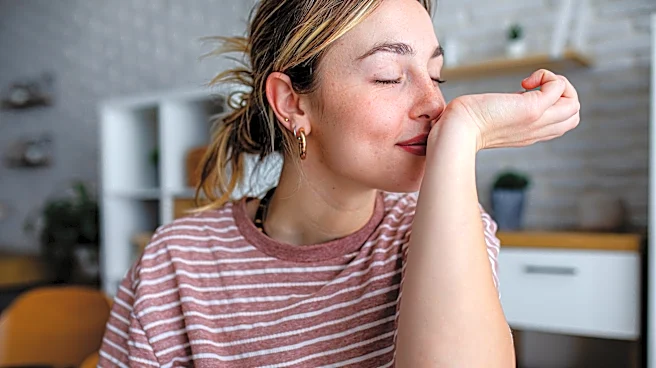
Smell training does just that, allowing for rehabilitation of the olfactory system that allows us to smell a grill out on a hot summer night or budding flowers in the spring. After a trauma or virus impacts this system, patients might be referred to smell training, just as someone with an orthopedic injury might find themselves in physical therapy, says Dr. Lee Mandel, an otolaryngologist and facial plastic surgeon at Florida Sinus and Snoring Specialists.
Why someone might need smell training
While it seems specific and not something you’d ever think you need, over 3% of Americans will experience parosmia at some point in their lives, according to Cleveland
Clinic, also known as a distorted sense of smell. For some, the first time they came to know this phenomenon was during the COVID-19 pandemic, in which up to 75% of people infected with the virus experienced this as a symptom, they add. For most people, it resolves on its own. For others, smell training might be helpful.
Loss of smell might occur due to:
- Viral upper respiratory infections
- Chronic rhinosinusitis, with or without nasal polyps
- Head trauma
- Neurodegenerative disease
- Aging, medication effects and toxic exposures
What smell training won’t help with
"Smell training is primarily intended for patients with sensorineural smell loss. In these patients, the problem involves the olfactory nerve pathway rather than a physical blockage preventing odors from reaching the smell receptors in the nose," Mandel says. "Smell training is not indicated for smell loss caused by nasal polyps, significant chronic rhinosinusitis, severe nasal inflammation or structural obstruction. When odor molecules cannot reach the olfactory cleft, the obstruction must be identified and treated first."
He adds that this is a common area of misdiagnosis. "Failure to distinguish obstructive loss from sensorineural loss is one of the most common errors when evaluating these patients."
Though smell training is effective, Mandel shares that sometimes this involves a "moderate" improvement, but not necessarily returning to a patient’s baseline smelling abilities.
What happens in smell training
The traditional protocol uses four odors: rose, lemon, eucalyptus and clove, Mandel says. "Patients may use essential oils placed on cotton pads or purchase a commercial smell-training kit. Neither approach has been proven significantly superior."
Training is often twice per day and involves smelling each scent for 20 seconds before moving to another. "The patient should actively think about the odor and recall what it smelled like before the smell loss occurred. Passive sniffing without concentration is less likely to provide the same rehabilitative effect," he says.
Often training continues for 12 weeks, though he says some data points to up to 32 weeks being effective.
People experiencing issues with smelling properly don’t have to suffer, and should reach out to their doctor to find a specialist who can help. "Patients should be evaluated sooner than most people realize," Mandel says. If smelling issues continue more than four weeks after a virus, for example, talk to your doctor.
This article originally appeared on USA TODAY: Smell training improves lost sense of smell after virus or trauma