


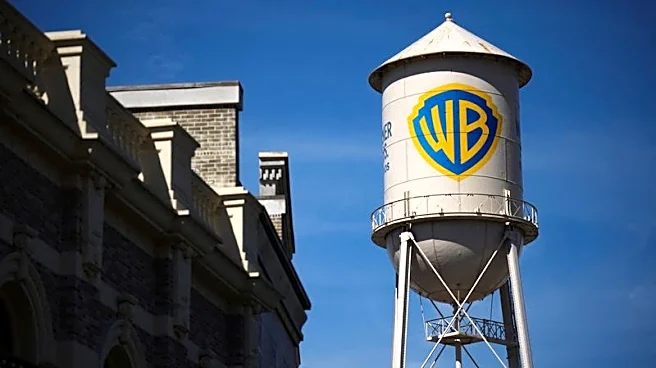
Say goodbye to decades of Hollywood history and hello to the era of mega media corporations.
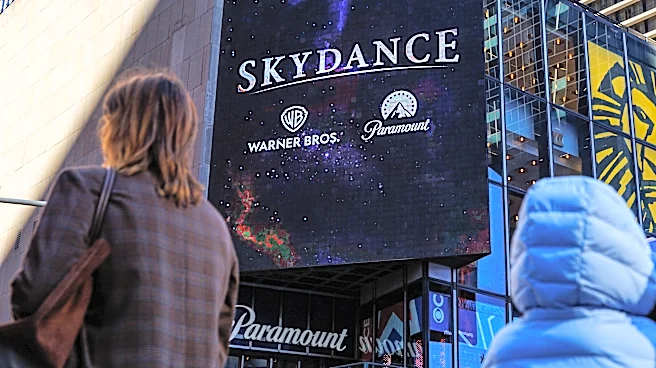
Paramount Skydance officially closed its belabored bid to buy Warner Bros. Discovery
on Oct. 6, turning the two huge conglomerates into a colossal corporate entity, called simply Skydance, in control of two historic Hollywood movies studios, two streaming services, cable and network news, and channels ranging from MTV to Food Network and TLC to Comedy Central and HBO.Franchises from "Harry Potter" and "Mission Impossible" to DC Comics and Spongebob Squarepants will all be under one corporate roof.
It is a monumental moment in the history of media and entertainment, a super-company unheard of previously in the industry (and not just because both Paramount
Skydance and Warner Bros. Discovery went through their own other mergers in the last five years).
But what does all of this mean for you?
While the machinations of media CEOs and regulatory agencies may seem far away from the everyday experience of TV and movie fans, there will be far-reaching implications of this merger for everyone who logs into HBO Max or Paramount+ or visits a movie theater. Things are about to change, ranging from what movies get made to who controls major news outlets to how much your monthly streaming bill is (spoiler alert: It's probably going up).
We break down the Paramount-Warner Bros. merger into everything it means for everyday consumers, from the bad to the worse (and maybe a little bit of good, too).

Why is Paramount Skydance buying Warner Bros. for $110 billion? Why is it called 'Skydance' now?
The simple answer is money and power.
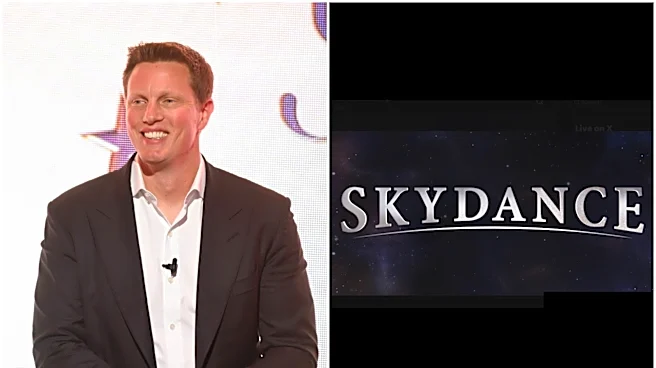
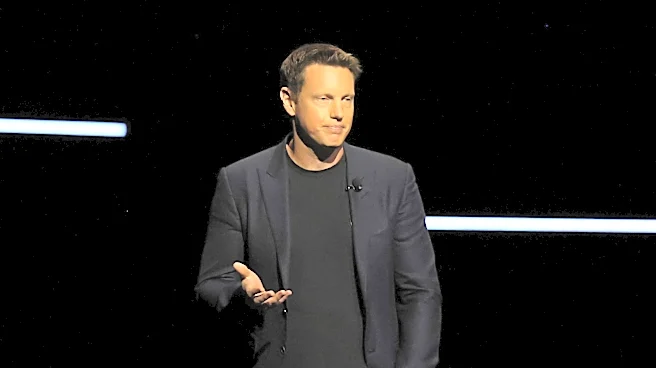
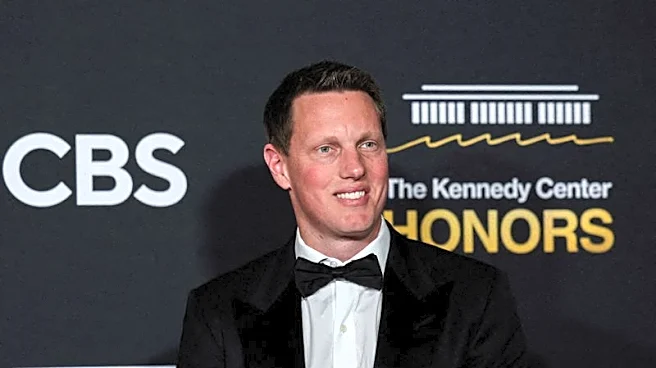
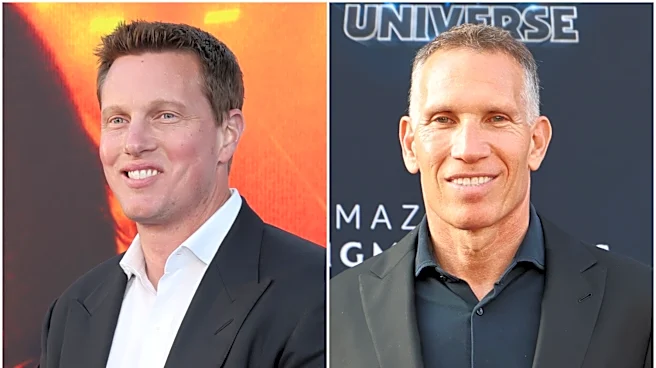
In 2025, Skydance Media purchased Paramount, the longstanding Hollywood studio and owner of CBS, Paramount Studios, Nickelodeon, MTV and more. Helmed by CEO David Ellison, son of Oracle CEO, billionaire and fervent President Donald Trump supporter Larry Ellison, the new company almost immediately moved to try to purchase Warner Bros. Discovery, a company only recently formed in 2022 when Discovery Networks purchased the legacy Hollywood studio.
A fight ensued, with a short interlude in which it seemed like Netflix could scoop up Warner instead, but after public outcry, lawsuits and a long regulatory process, the Paramount-Warner deal officially closed on Oct. 6. David Ellison controls the new company, and had help purchasing it (fora reported $110 billion) from his father, plus investors from Saudi Arabia, Qatar and other Middle Eastern countries.
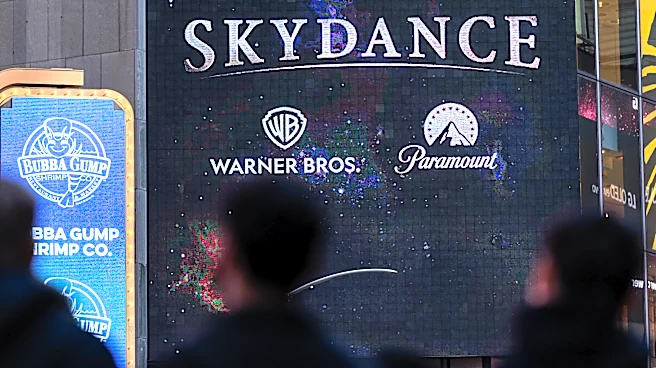
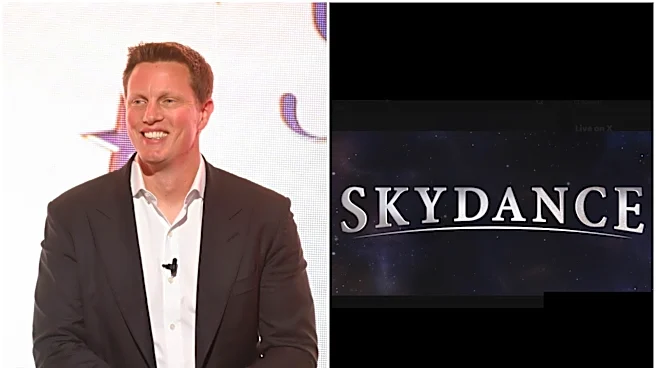
The new company, per Ellison, will simply be called "Skydance," hearkening back to the CEO's original film production company Skydance Media. In addition to emphasizing Ellison's control, the new name leaves the branding of two Hollywood icons in the dust. However, Ellison doesn't see it that way.
"Paramount and Warner Bros. shaped over a century of culture," Ellison wrote in a post on X Oct. 2 announcing the Skydance name, his first post on a new account. "By combining them, we aren't rewriting history — we're equipping these iconic studios with a more powerful engine. Together, we are Skydance: a creative-first home for bold, quality storytelling."

Will HBO Max and Paramount+ be combined into one streaming service?
Yes, that's the plan, for now. "We do plan to put the two services together, which today gives us a little over 200 million direct-to-consumer subscribers," David Ellison said during an investor call in March.
"The combined offering, given the amount of content and what we can do from the tech side, really will put us in a position to be able to compete with the most scaled players" in the streaming market, he added. Netflix is notably the largest streamer, with over 325 million global subscribers.
Experts point out short-term problems that need resolution before any combination can happen. The biggest issue is that while Paramount+ and HBO Max have a combined 210 million global subscribers, there's lots of overlap − over 25% by some estimates.
That means combining the services right away could actually lose the new company money, something it can hardly afford with all the debt from the merger. That's one reason why Disney owns Hulu and Disney+ but has yet to merge them into one service − they make more money off you paying for both instead of getting the same shows for one lower monthly cost.
As of Tuesday and for the foreseeable future, HBO Max and Paramount+ remain separate.

What will the new super Skydance streaming service cost me? What will it look like?
That's the real problem for you and me: Prices are definitely going up if recent streaming history is anything to go by.
No clues yet from Ellison, but consolidation does not typically lower prices for consumers in any industry. The trend in streaming subscription prices has pushed some services and bundles over $20/month, and it's likely to keep rising for all platforms, not just Paramount+ and HBO Max.
Casey Bloys, the HBO chairman who is hugely respected in Hollywood and the architect of fan-favorite TV shows on the network and HBO Max like "The Pitt," "Game of Thrones," "The White Lotus," "Succession" and more, will be in charge of the new streaming empire.
If the combination happens, you'll start to see the likes of "Game of Thrones" spinoff "A Knight of the Seven Kingdoms" alongside "Yellowstone" spinoff "Dutton Ranch" and "Star Trek" series like "Strange New Worlds." It will put HBO content beside next-day CBS content like "Survivor" and "Big Brother." And it will all be under Bloys, who is known more for prestige, Emmy-winning content than reality TV. But he already has experience putting the fancy with the trashy: He was part of the team that brought the likes of TLC's "90 Day Fiancé" to HBO Max when Warner Bros. merged with Discovery.

Will HBO change?
Ellison says he won't be shaking things up at HBO, one of the most respected prestige TV brands in Hollywood, by both viewers and industry insiders. "Our view is that HBO should stay HBO," Ellison said in the investor call in March. "HBO is a crown jewel in this business. It will continue to have the resources and independence to do what it does best."
He added one caveat: "At the same time, we believe in licensing our content to other platforms and producing third-party content in our television studios,” Ellison added, saying, "we are committed to growing our studios and the popular shows they create." (Ironically, those other platforms would likely include Netflix.)

What will happen to Paramount and Warner Bros. movies meant for theaters?
Now that Warner is being acquired by a rival studio, the worry is the number of movies per year could significantly diminish, leaving stories untold and limiting consumer choice. But for now, Hollywood can exhale.
In the investor call, Ellison said he plans to keep Paramount and Warner Bros. separate movie studios, and release about 15 films each per year, which would be a massive increase – in 2025, Paramount released eight films, and Warner managed 11.
Don't expect those movies to stream any faster, though. Ellison said he remains committed to a 45-day "window" between a theatrical release and streaming.
The merger faced huge public opposition, including criticism from lawmakers and Hollywood legends, in part because of concerns about how many films would actually make it to theaters. Lawsuits from the Writers Guild of America and 12 state attorneys general tried to block the merger, but ultimately failed. As part of the settlement with the states, Ellison agreed the combined studios will make 30 films a year for the next few years.

What does the merger mean for CNN?
A huge focus is on the entertainment side of the merger, but it's worth noting that this puts Ellison in control of two major news outlets: CBS News and CNN.
Since taking over Paramount, Ellison installed Bari Weiss, a controversial and conservative-leaning journalist, as CBS News' editor-in-chief. Weiss' tenure has already been rife with controversy and problems: "60 Minutes" firingsdrew national criticism and resulted in a massive drop in ratings.
CNN has its own identity in the cable news space and its fair share of leadership controversy in the past few years (its leader under the Warner-Discovery merger was infamously trashed in the press). The White House under Trump recently removed CNN, Politico and MS Now from the press room, a move which has been excoriated by defenders of freedom of the press and led to lawsuits. CNN's Kaitlin Collins has been specifically berated by Trump. Ellison's father Larry Ellison gave $45 million to a nonprofit backing Trump's 2024 presidential campaign. The billionaire is an official financial backer of the Paramount-Warner merger.
"We're concerned about the Ellisons corrupting CNN," attorney Jessica Gonzalez told NPR. She's the co-CEO of nonprofit media advocacy organization Free Press, which stood against the merger. "We're concerned about what the Ellisons have already done since taking over Paramount and CBS. They are willing to use their money and power to censor the news, to tear down stories that they or the president don't like. We deserve better than billionaire oligarchs controlling our media system."
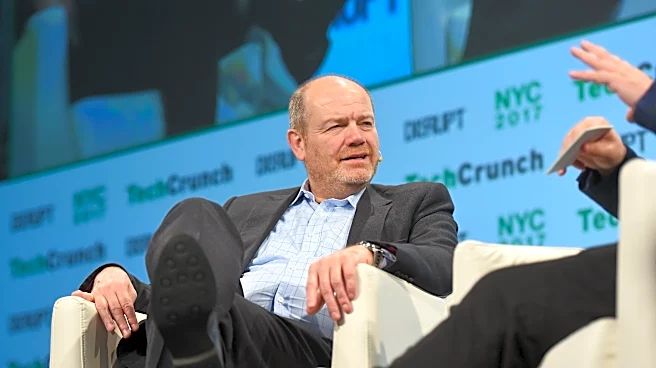
As part of the antitrust investigation, Ellison promised a federal judge that he would set up an "independent oversight board" to protect CNN from political interference. He says current head of CNN, Mark Thompson, will remain. As of now, Weiss is still head of CBS News.

Is the Paramount, Warner Bros. deal good or bad?
In the end, this is likely to be a net negative for everyday lovers of TV and movies. Many major mergers decrease value and increase costs for consumers – just look at Disney and Lucasfilm or Disney and 20th Century Fox.
Warner merging with Discovery meant films like "Batwoman" were shelved as a tax write-off. HBO Max now costs $18.49 a month for the cheapest plan without ads. In 2020 when it launched it only cost $14.99 a month. Were all the episodes of "Fixer Upper" and "Chopped" worth the extra money?
Consolidation in entertainment means fewer places for new and emerging artists to take their great ideas. If there are fewer people who get to say "yes" or "no" to a pitch, fewer pitches are going to make it through. We could lose great films of a new generation without ever knowing they existed in some young writer or director's mind. We could lose the perspective of journalists who might have found different stories if CBS and CNN didn't have the same bosses. We could lose originality, variety and vitality to one of the most iconic industries in America. Will "The White Lotus" still get to criticize the 1% when the 1% control it?
Inevitably, we could lose everything that made these companies great in the first place in a sad soup of cost efficiencies, likemindedness and blandness. That's not the future for great American storytelling most of us want.
This article originally appeared on USA TODAY: Warner Bros. and Paramount are now Skydance – What the merger means for you