






Health officials in Central California have confirmed five cases of E. coli that can cause serious illness and are investigating a possible connection to a popular farm attraction and pumpkin patch in San Luis Obispo County.
The County of San Luis Obispo Public Health Department reported that it identified five cases of Shiga toxin-producing E. coli infection. Health officials said the cases may be linked to visits to Brookshire Farms in San Luis Obispo from Oct. 16 to Oct. 26, though investigators have not yet identified the source of the infections.
Public health officials urged anyone who visited the farm during that period and later developed gastrointestinal symptoms to contact a health care provider. Symptoms can include severe stomach cramps,
bloody diarrhea, and vomiting and typically appear three to 10 days after exposure.
"We are working diligently to identify the source of these infections to protect the health of our community," San Luis Obispo County Health Officer Dr. Christy Mulkerin said in a statement. "We encourage anyone who may have been exposed and is experiencing symptoms consistent with E. coli infection to seek immediate medical attention."
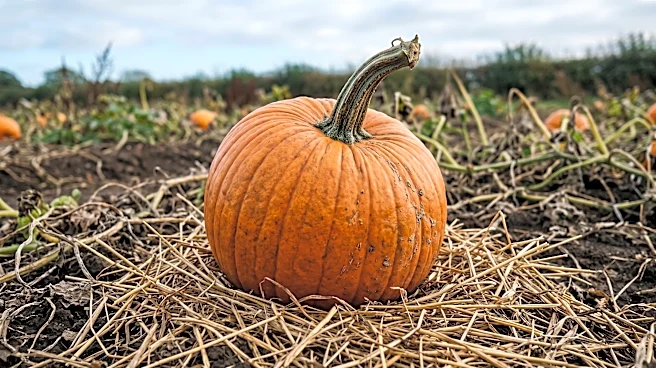
As the investigation continues, Brookshire Farms has voluntarily closed while county health officials work to determine whether additional community members may be at risk. The farm is known for its corn mazes, pumpkin patches and other fall-themed attractions.
Tom Cuddy, a spokesperson for the county health department, confirmed to The Tribune and SFGate that three children were hospitalized in "serious condition" and were being treated in a pediatric intensive care unit. Children younger than 10 are at the highest risk for complications from Shiga toxin-producing E. coli infections, health officials said.
USA TODAY reached out to the County of San Luis Obispo Public Health Department for comment.
Brookshire Farm closes for remainder of the pumpkin season
Public health officials said Brookshire Farms is cooperating with the investigation, which includes gathering information from visitors, investigating potential exposures and conducting follow-up activities to determine whether the cases are connected.
Health officials have encouraged people contacted by investigators to provide information that could help identify the source of the infections. The county health department has not determined whether the cases are linked to contaminated food, water, animal contact, or another source.
In a statement on Oct. 28, Brookshire Farms said it would remain closed for the rest of the pumpkin season while awaiting test results from the county health department. The closure comes during the peak fall season, when families typically visit the farm for seasonal activities and attractions.
"Safety is our main concern. We are waiting on the test results from the county health department. Until then, there is nothing to comment on," the farm said in the statement.
What is Shiga toxin-producing E. coli?
E. coli are bacteria commonly found in the environment, foods, and the intestines of people and animals. While many strains are harmless, some can make people sick through contaminated food or water, according to the Centers for Disease Control and Prevention.
Shiga toxin-producing E. coli, also known as STEC, produces toxins capable of causing severe illness, according to the California Department of Public Health.
"People can get infected with STEC bacteria by eating or drinking something that has been contaminated with animal or human poop, or by accidentally swallowing tiny amounts of poop after having contact with infected animals, animal areas, untreated water, or other people infected with STEC," the state health department says.
Most people infected with STEC recover without treatment, but some cases can become severe and even life-threatening, according to the state health department. Young children, pregnant people, older adults, and those with weakened immune systems face the highest risk of developing serious illness.
Health officials say STEC infections can be prevented by thoroughly cooking food, choosing pasteurized dairy products, washing hands after using the restroom or touching animals, and avoiding swallowing water while swimming in lakes, rivers, or pools.
An estimated 1 in 10 people diagnosed with STEC develop hemolytic uremic syndrome, or HUS, a potentially life-threatening complication that can cause kidney failure, according to the state health department. Warning signs include decreased urination, extreme fatigue, and loss of color in the cheeks or lower eyelids.
This article originally appeared on USA TODAY: Popular California pumpkin patch closes amid E. coli investigation