






More babies are suffering life-threatening bleeding as a rising number of parents in the United States refuse a shot typically given to reduce that risk, according to two new studies.
The studies, both published on Nov. 5, found a sharp uptick in incidences of infant bleeding that coincided with more parents turning down the vitamin K shot at birth.
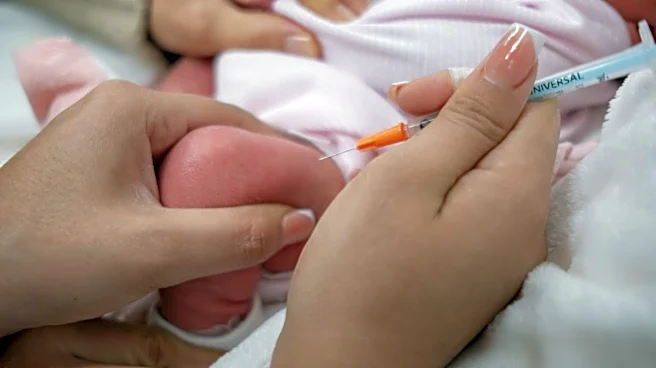
Since babies are born with low levels of the vitamin, they are more prone to serious bleeding, especially in the brain and gastrointestinal tract. A vitamin K injection within six hours of birth helps with blood clotting and has been a standard practice in the United States since 1961.
These are the first published, peer-reviewed studies to investigate increased infant bleeding and vitamin K shot refusal
over the past decade. The Centers for Disease Control and Prevention (CDC) does not track rates of vitamin K refusals or associated bleeding; however, lawmakers in July urged the agency to begin keeping such records after a ProPublica investigation found that babies were dying after their parents refused the injections.
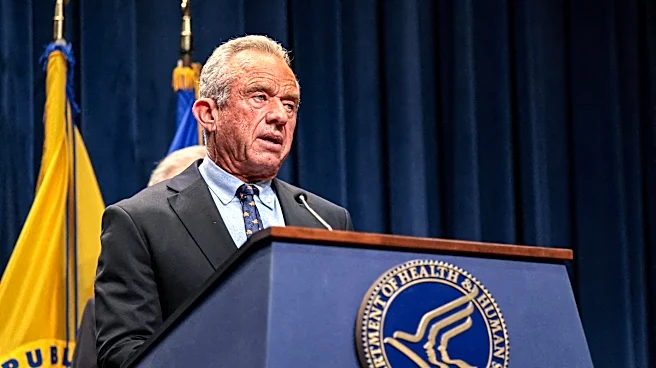
The trend of parents declining the shot at birth has risen steadily over 10 years, especially since the 2020 pandemic, but accelerated after the confirmation of Health Secretary Robert F. Kennedy Jr., a vaccine skeptic. Kennedy, once the leader of an anti-vaccine group, has led several changes to U.S. vaccine schedules and recommendations, including removing several from the childhood list. A federal judge blocked some of these changes in March, a decision the Department of Health and Human Services vowed to appeal. In September, Trump signed an executive order "calling for more vaccine flexibility and research" and fewer childhood vaccinations, repeating unsupported assertions about vaccines without evidence.
Health experts say mixed messages about immunization have raised doubts among many parents about routine treatments like vitamin K, which is a vitamin shot, not a vaccine. Critics, including U.S. senator Angela Alsobrooks, have called on Kennedy to clearly state that shots are safe and effective and encourage parents to get them.
The U.S. Department of Health and Human Services told Reuters on Nov. 5 that the CDC still recommends vitamin K shots for newborns but declined to say whether the agency would begin tracking rates of vitamin K refusals or bleeding events.
What did the new studies find?
The first new study, published in JAMA Pediatrics, found that the percentage of newborns receiving a vitamin K shot fell from 97.7% in 2017 to 95% in 2025 based on medical documents for roughly 11 million infants aged 6 months and younger. At the same time, the rate of vitamin K deficiency bleeding, or VKDB, nearly quadrupled. The authors noted that 2025's bleeding rate was about double that of 2024.
The second study, published in JAMA, reviewed 5.2 million records from the same time period. It found that vitamin K refusal rates more than doubled from 3.1% in 2017 to 6.8% in 2025, and babies who didn't receive it had a 47% higher risk of bleeding during the first six months of life.
They were also two times as likely to suffer a brain bleed or die when hospitalized for a bleeding diagnosis. For every 114 newborns who don't get the shot, one additional bleeding event occurs, the authors noted.
"As with childhood immunizations, vitamin K (prevention) may be a victim of its own success," the second study says. "The rarity of VKDB may leave today’s families largely unaware of its grave consequences."
Both studies say it found a correlation but did not establish definitive causation.

Why do infants receive vitamin K?
Since 1961, the American Academy of Pediatrics (AAP) has recommended a single vitamin K shot at birth to protect against bleeding. All babies are born deficient in vitamin K, which is vital for blood clotting, and cannot form clotting factors, or substances that help the body stop bleeding naturally.
Vitamin K deficiency can cause serious, life-threatening bleeding in infants up to 6 months of age, according to the CDC. Normal sources of nutrition for newborns, including breast milk, do not contain enough vitamin K to prevent this deficiency in the early months of life.
A single shot given within hours of birth ensures babies have enough of the vital nutrient to handle any potential bleeding in the immediate future. According to the CDC, newborns who do not get a vitamin K shot are 81 times more likely to develop severe bleeding than those who do get the shot.
"Waiting to see if your baby needs a vitamin K shot may be too late," the CDC webpage says. "Babies can bleed into their intestines or brain, where parents can't see the bleeding to know that something is wrong. This can delay medical care and lead to serious and life-threatening consequences."
Why are more parents refusing?
Vaccine hesitancy, medical misinformation and misconceptions about risks associated with vitamin K shots are all likely culprits behind dropping uptake rates, several studies and experts have said.
A December 2025 JAMA study found that between 2017 and 2024, the number of infants who did not receive the shot at birth rose from 2.92% to 5.18%, with the largest shift coming after 2020. Parents refusing the shot often expressed concerns about injection pain, potential adverse effects and doubts that it's necessary, per the study. Acceptance rates began falling in 2019, the study noted, meaning COVID-19-related medical skepticism has not been the sole source of changing attitudes
The authors of the JAMA Pediatrics study also noted that the increase in vitamin K deficiency and related bleeding coincided with eroding trust in public health following the pandemic, rising vaccine hesitancy and growing parental skepticism around newborn interventions.
"I think it's sort of a general mistrust in our country that's grown in the last 10 years or so," Dr. Ivan Hand, director of neonatology at NYC Health + Hospitals Kings County, previously told USA TODAY. "I think it's a combination of things. There's been more of an emphasis on 'natural' birth and some parents think, 'it's not natural for my baby to get a shot of vitamin K at birth.' As well as trying to de-medicalize the birthing process and, I think, just a general mistrust."
A 2022 AAP policy statement, co-authored by Hand, found that parental refusal of the shot was associated with a lack of understanding of the need for vitamin K, belief that it was unnecessary, concern about the injection pain and concerns about the preservative in the formulation.
Some hesitant parents point to misinformation that has proliferated from a since-debunked 1990 study linking vitamin K to childhood cancer, while others believe that a "natural" birth with minimal or no interventions was healthiest for their babies, according to the policy statement. Some incorrectly believe the shot is a vaccine and express concerns consistent with vaccine hesitation.
Births outside hospital settings and without physicians were also associated with higher refusal rates, according to the AAP's report. "Outside influences include friends, celebrities, and even some health professionals," it states.
"In some ways, we're victims of our own success, that people don't see this kind of bleeding anymore because almost all babies have gotten that shot," said Hand. "But if we fail to do that, we're going to see more and more cases of babies having bleeding, and those bleedings can be very significant; about half of them can relate to brain hemorrhage. So it's a very concerning thing that is easily prevented by babies just getting the shot."
Contributing: Julie Steenhuysen, Reuters
This article originally appeared on USA TODAY: More parents are rejecting this shot for newborns. Why babies need it